Valentine’s Day Loyalty: 6 Emotions That Make Customers Stay
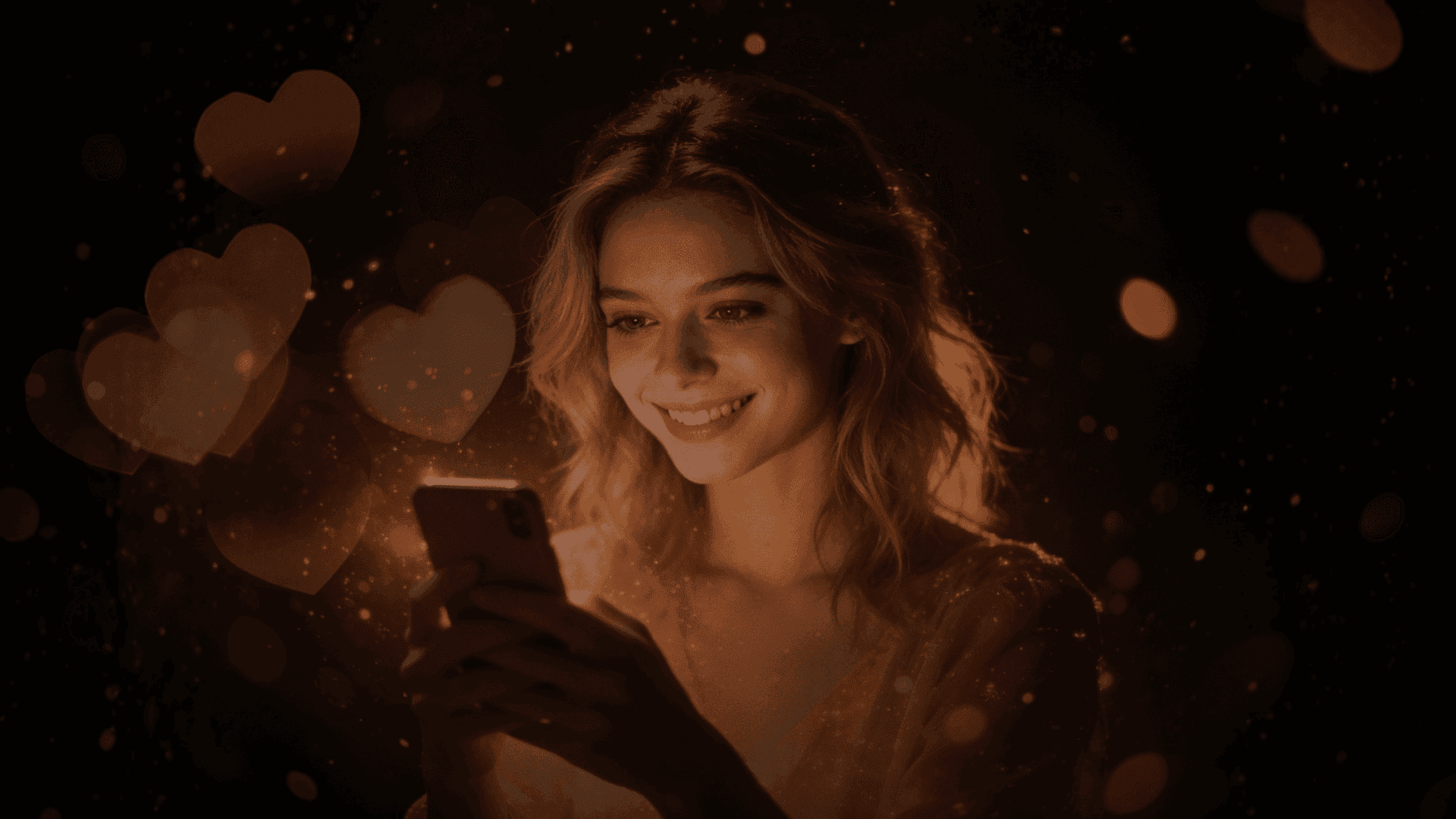
Valentine’s Day is often reduced to flowers, discounts, and limited-time offers. But at its core, it’s not about gifts at all. It’s about emotions.
- Anticipation
- Excitement
- A sense of being chosen
Loyalty works the same way.
This is where traditional loyalty programs start to fall short. Points, tiers, and rewards still matter, but on their own, they rarely create attachment.
Emotional loyalty does! And unlike romance, emotional loyalty isn’t accidental. It can be intentionally designed through the right mechanics, moments, and experiences.
Valentine’s Day offers a timely reminder of this truth. Not as a seasonal campaign hook, but as a lens to rethink how loyalty actually works!
In this article, we’ll explore six emotions that make customers stay, and how brands can activate them through loyalty programs that go beyond transactions and into genuine connection. Let’s dive in!
Why Emotional Loyalty is the Most Powerful Strategy in 2026 for Loyalty Design?
2026 is the year of emotional loyalty; customers aren’t just buying, they’re catching feelings!
Traditional transactional loyalty still drives repeat purchases, but emotionally connected customers are exponentially more valuable and resilient to competitive pressures.
For example, emotionally connected customers generate dramatically higher lifetime value.
‘306% more than customers without that emotional bond.’
Meanwhile, more than 60% of consumers say they feel an emotional connection to the brands they buy, and these connections directly influence not only retention but also advocacy and spend.
Yet emotional loyalty is surprisingly rare. Across global markets, only a minority of consumers report feeling truly valued or connected through existing programs.
Even as loyalty program participation is widespread (with nearly all consumers belonging to at least one program), engagement remains shallow and superficial for many. This divergence highlights a key reality of 2026: participation does not equal attachment.
- Psychology helps explain why.
Emotional loyalty taps into trust, identity and perceived value, constructs that extend beyond routine transactions. Customers who feel appreciated are not only more likely to stay, with around 88% planning to continue with a brand they feel valued by, but also more likely to spend more and recommend the brand to others.
- This aligns with behavioural research showing that emotional signals, such as recognition or surprise, create deeper neural associations than purely economic incentives.
A growing share of brands are designing loyalty programs around emotional triggers rather than points accrual alone, integrating experiences that resonate with personal identity, community, and narrative, factors that enhance long-term commitment and reduce churn.
In a competitive landscape where consumers can switch brands with a single click, emotional loyalty becomes a strategic moat.
It transforms loyalty programs from cost centres that deliver incremental purchase frequency into engines that sustain long-term retention, advocacy and lifetime value, outcomes that traditional transactional mechanics alone struggle to achieve.
The Emotional Architecture of Loyalty: 6 Feelings That Lock Customers In
Loyalty doesn’t fail because brands reward too little. It fails because they activate the wrong emotions, or none at all.
In 2026, the most effective loyalty programs are intentionally engineered around emotional triggers that shape behaviour over time, not short-term incentives.
Behavioural research and real-world loyalty performance point to six emotions that consistently drive long-term commitment: FOMO, excitement, anticipation, surprise, pride, and joy.
Each plays a distinct role in how customers perceive value, form habits, and decide whether a brand feels “worth sticking with.”
What follows is a practical breakdown of how each emotion functions in loyalty design, and the types of mechanics that successfully bring them to life.
1) FOMO in Emotional Loyalty: The Fear of Missing Out on Us
FOMO is the emotion of unfinished business. The “what if” that keeps people checking their phones, reopening apps, and staying just close enough not to lose their place.
Valentine’s Day thrives on the same tension. A crush you don’t want to miss. A moment you’re afraid will pass. The quiet anxiety that someone else might step in if you don’t act. Loyalty works the same way when designed well.
In customer psychology, FOMO is perceived as the proximity to something meaningful.
When customers feel they’re almost part of something exclusive, they become far more likely to stay engaged rather than drift away.
Industry leaders in behavioural design consistently show that limited visibility and time-bound progress increase repeat engagement more effectively than static rewards.
So why is it important to include it in your loyalty program in the long run?
- It keeps customers emotionally invested between transactions
- It turns loyalty from a passive program into an ongoing relationship
- It creates commitment without discounts or constant reminders
How can brands activate this emotion in their loyalty program design?
- Time-limited rewards that unlock only after consecutive actions
- “Almost there” progress states that reset if abandoned
- Exclusive drops or perks visible to members but accessible for a short window
FOMO, as an emotion, is effective and activates different emotions in different target audiences. It's both suitable for special days/seasonal triggers and for the long run. It opens up an opportunity for brands to establish their ‘special days’.
2) Anticipation in Loyalty: The Situationship Phase of Retention
Anticipation lives in the space before commitment. In relationships, it’s the situationship phase: not official, not over, but emotionally charged enough to keep you checking in.
In loyalty, the same dynamic applies. Customers don’t disengage because they’ve lost interest; they disengage when nothing feels about to happen.
Strong loyalty design sustains anticipation by signalling progression, possibility, and momentum. When customers sense that something meaningful is coming next, they stay close, even before they fully commit.
In 2025–2026, loyalty programs that introduced future-dated value (such as staged rewards, locked milestones, or progressive benefits) saw up to 35% higher return frequency than programs built on instant redemption.
Strong anticipation implies. It lives in mechanics that,
- Show progress without resolving it
- Create visible momentum without immediate payoff
- Reward consistency, not speed
Valentine’s Day campaigns that perform best rarely rely on a single offer. They unfold. A teaser. A countdown. A reason to come back before the reward is revealed. The same logic applies to loyalty design.
Modern platforms increasingly replace “redeem now” with “you’re getting closer”. Not as a message but as a structure. Customers accumulate expectations.
From a behavioural perspective, this matters.
Studies on behavioural economics in 2026 show that perceived future value keeps users engaged longer than delivered value alone. The brain stays active when an outcome is approaching, not completed.
‘The study also highlighted that experience-led, psychology-backed reward design is one of the best ways to implement ‘anticipation’ in loyalty programs.’
Anticipation is what turns a single interaction into a sequence. The quiet understanding that leaving now would mean missing what comes next.
3) Loyalty & Suprise Effect Connection: The Unexpected Knock on Your Door at 3 AM
Surprise works in loyalty for the same reason it works in relationships: it interrupts routine and creates memory.
In 2025–2026, customer behaviour research consistently shows that emotional peaks matter more than steady rewards.
According to Forrester’s 2025 Global Customer Experience Index, loyalty outcomes such as repurchase intent and brand advocacy are strongly correlated with experiences that exceed expectations, particularly on emotional dimensions like delight and ease.
In other words, customers don’t remember what they were promised; they remember what caught them off guard.
What’s important is that surprise isn’t about size or cost. It’s about asymmetry. A small, unexpected benefit delivered at the right moment creates more emotional weight than a predictable reward delivered on schedule.
- The brain flags surprise as meaningful because it breaks the pattern, and pattern-breaking is what turns transactions into stories.
These experiences reshape how the brand is remembered long after the reward is gone. Surprise teaches customers to pay attention.
How do brands activate surprise in loyalty?
- Unplanned bonus rewards attached to milestones
- Sudden access to exclusive experiences or perks without advance notice
- Personalised unexpected benefits based on behaviour signals
Unlike predictable discounts, surprises feel earned even when they aren’t directly tied to a specific action. That emotional high (the sudden positive deviation from expectation) signals to the customer that the relationship matters more than the transaction.
4) Excitement in Loyalty: The Dopamine Window Before Commitment
Excitement equals dopamine timing in loyalty strategies & campaigns.
Most loyalty programs assume customers get excited after value is delivered: after points accrue, after a reward unlocks, after redemption. Behavioural science shows the opposite. Excitement peaks before resolution, when the brain detects movement, novelty, and forward momentum.
Neuroscience research and behavioural studies shows that dopamine is most active during progress-in-motion, not completion.
Once an outcome is resolved, attention drops. The emotional system moves on.
Many loyalty programs resolve excitement too quickly, and this becomes their mistake number 1.
In practice, excitement emerges when customers feel:
- Something is happening now
- Their action immediately changes the state of the relationship
- The system responds visibly, not eventually
According to Forrester’s insights, programs that introduce dynamic interaction loops (live challenges, evolving goals, real-time feedback) drive significantly higher repeat engagement than programs built on static earn-and-burn models. The reason isn’t value density. It’s emotional velocity.
Excitement is created when loyalty behaves less like a ledger and more like a live environment.
In well-designed programs, this shows up as:
- Missions that change mid-cycle based on behaviour
- Live progress states that updates are made immediately after action
- Time-sensitive mechanics that react, not wait
These mechanics don’t promise a future reward (that’s anticipation). They don’t threaten loss (that’s FOMO). They don’t rely on randomness (that’s a surprise).
They create immediate emotional feedback.
There’s a Valentine’s Day parallel here, not the first date, and not the commitment. It’s the moment when interactions speed up. Messages get quicker. Energy rises. You’re not invested yet, but you’re alert. Something feels active.
Excitement is basically about making the customer think your systems are alive.
5) Pride: Loyalty That Feels Worth Standing Behind
Pride in loyalty emerges when repeat behaviour translates into rank.
Customers move from transaction to position when programs introduce visible progression, meaningful tiers, and access that cannot be skipped or shortcut. Status becomes cumulative. Leaving the brand means forfeiting something already earned.
This dynamic changes decision-making. Customers with status spend more selectively, hesitate longer before switching, and actively protect their standing. Loyalty shifts from habit to investment.
Tiered structures drive this effect by:
- Making progress visible and irreversible
- Restricting access to higher-value benefits
- Signalling membership rather than incentives
A study found that over two-thirds of consumers were willing to pay approximately 25% more for brands they felt loyal to, driven by trust, consistency, and long-term familiarity.
Premium tolerance at this level reflects commitment reinforced by recognition, not price insensitivity.
Pride sustains loyalty through:
- Resistance to churn
- Preference stability under price pressure
- Long-term retention anchored in status
Recognition of standing outperforms reward frequency. Status, once earned, becomes self-reinforcing.
6) Joy: The Feeling That Makes Love & Loyalty Effortless
Joy removes friction from loyalty. It makes returning to your brand, shopping, and experiencing your products and services feel natural.
In loyalty design, joy shows up when participation feels light, satisfying, and emotionally “worth it” even when nothing big is happening. It’s the quiet pleasure of belonging without trying.
Psychologically, joy reinforces habit loops. When an interaction consistently delivers a small positive emotional payoff, the brain stops evaluating alternatives. The brand becomes the default choice, not because it demands attention, but because it feels good to come back.
This is why the most resilient loyalty programs don’t rely only on points or milestones.
They design for moments that make customers smile without thinking:
- playful progress feedback
- small wins that feel personal
- interfaces that reward interaction, not just outcomes
Joy steadies loyalty through reassurance…It becomes the quiet confirmation that the ‘gut feeling’ customers have when they interact with you is right.
What are some loyalty mechanics that activate joy, especially in seasonal campaigns such as Valentine’s Day loyalty?
Lightweight, repeatable rewards tied to everyday behaviour (streaks, visual progress, micro-recognitions, or playful acknowledgements) that turn routine interaction into something emotionally pleasant.
Loyalty is Similar to Love & Relationships!
Valentine’s Day is a strong reminder that loyalty behaves less like a system and more like a relationship.
Love doesn’t form through a single gesture. Neither does loyalty. What sustains both is a sequence of emotions that keep the connection alive over time. Anticipation, excitement, FOMO, surprise, pride, and joy don’t act in isolation. Together, they create momentum, meaning, and commitment.
Loyalty weakens when these emotions disappear. It strengthens when they are intentionally designed into how customers progress, interact, and feel recognised. This is why the most effective loyalty programs in 2026 don’t rely on incentives alone. They operate through emotional architecture.
Kaizen helps brands design loyalty programs that activate these emotions deliberately, consistently, and at scale. Program customers don’t just join, but stay in.
If loyalty is a relationship, then it deserves to be designed like one. Contact our team of experts today! https://www.kaizentech.net/book-a-demo