

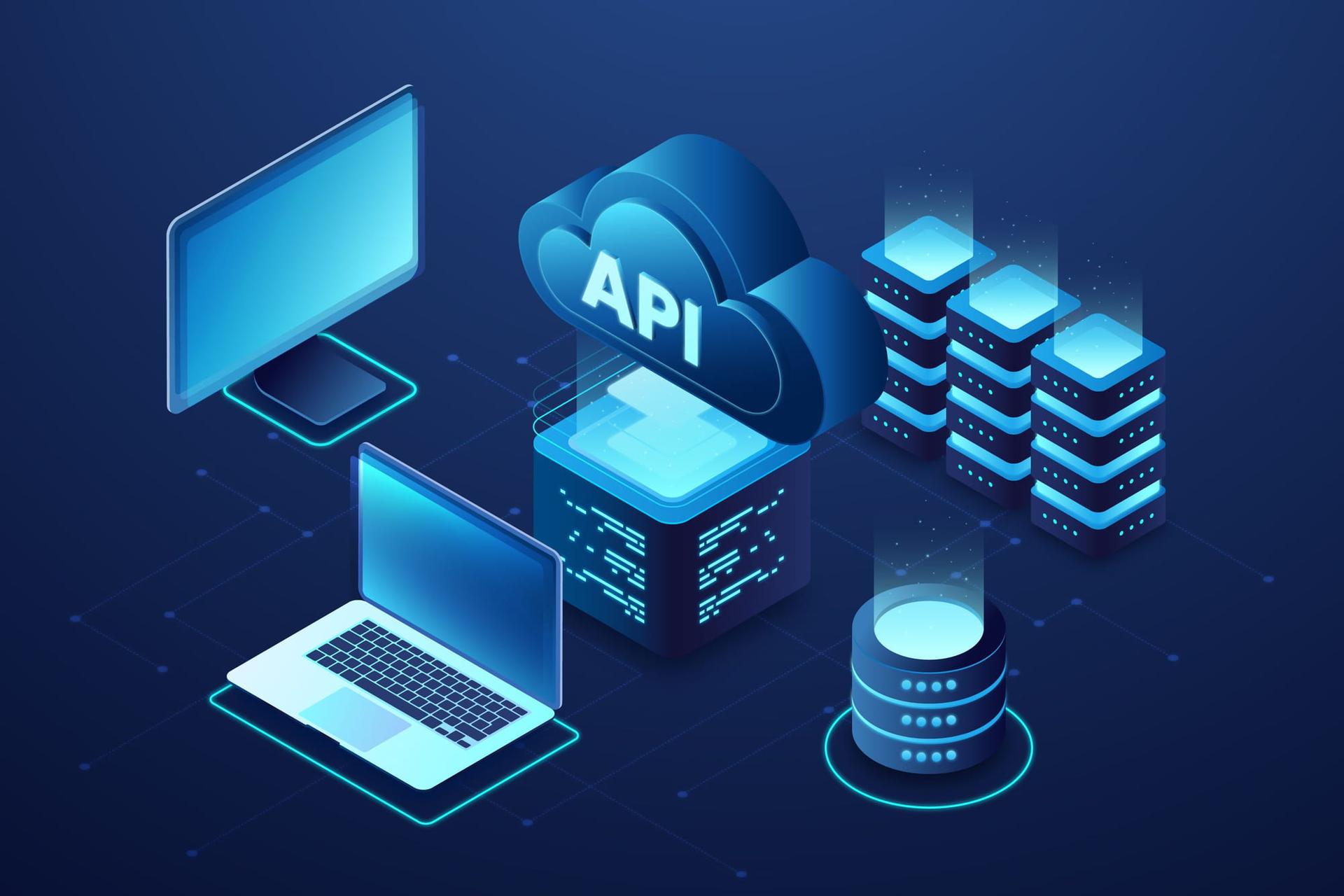
In loyalty marketing and modern digital ecosystems, an API, short for Application Programming Interface, is a set of rules and protocols that allows different software systems to communicate with each other. APIs enable platforms to exchange data, trigger actions, and synchronize experiences without manual intervention.
In loyalty driven businesses, APIs are foundational infrastructure. They connect loyalty platforms with ecommerce systems, mobile apps, CRMs, payment providers, and analytics tools. Without APIs, loyalty programs remain isolated and fragmented, limiting personalization, automation, and scalability.
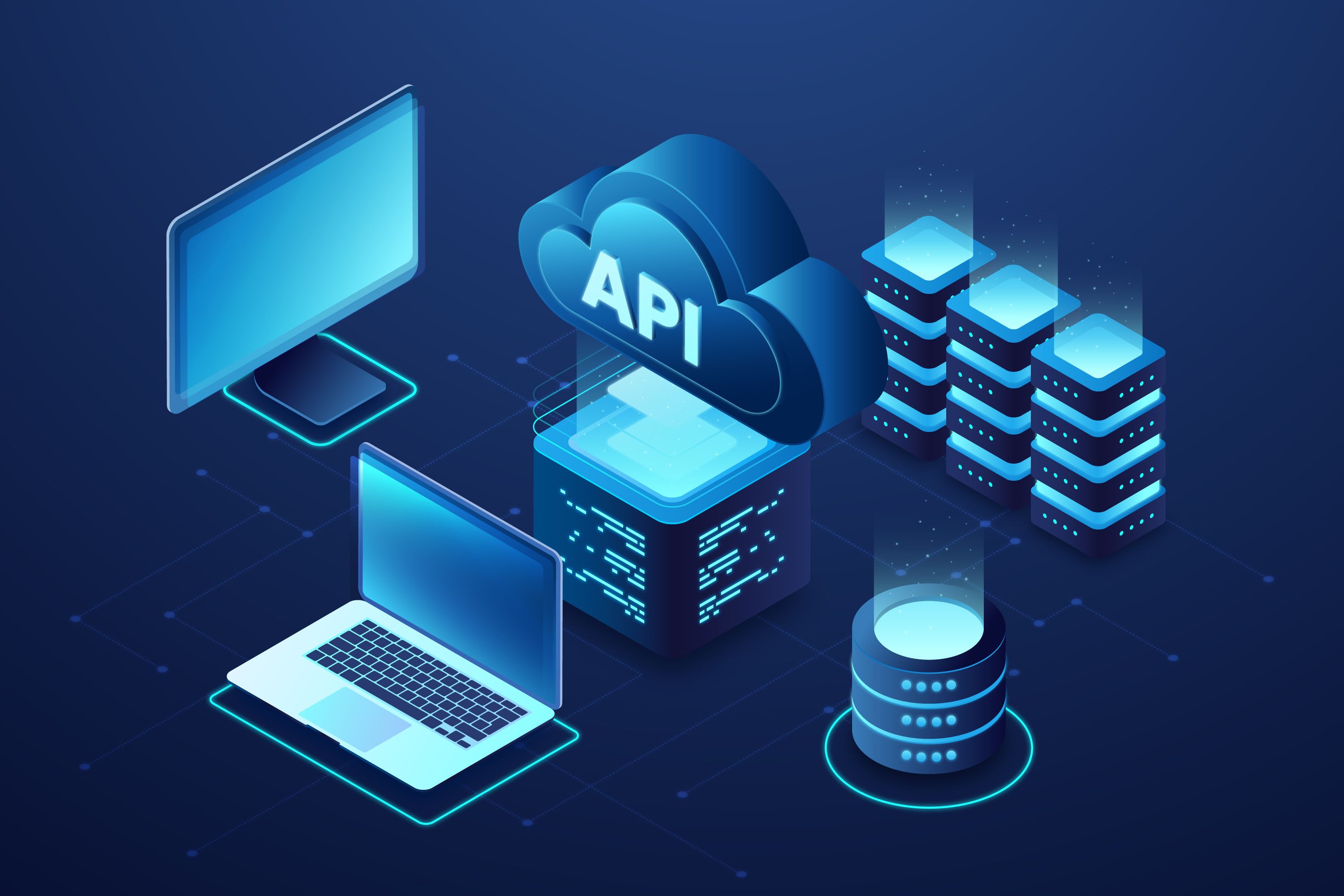
What Is an API?
An API is an interface that defines how one system can request data or functionality from another system. Instead of accessing a database directly, applications use APIs to send structured requests and receive structured responses.
From a business perspective, APIs act as translators. They allow systems built with different technologies to work together seamlessly. In loyalty environments, this means customer actions in one system can instantly affect experiences in another.
For example, when a customer makes a purchase, an ecommerce platform can use an API to notify the loyalty system. The loyalty platform then calculates points, updates tier status, and triggers relevant communications automatically.
APIs make complex, interconnected experiences possible while keeping systems modular and secure.
Where You’re Already Using APIs (Even If You Don’t Know It)
APIs operate behind the scenes in most digital experiences, including loyalty interactions.
Common everyday examples include:
Logging into apps using social accounts
Receiving order confirmation emails after a purchase
Seeing real time points balance updates in a loyalty app
Using mobile wallets or digital gift cards
Syncing customer data across platforms
In loyalty programs specifically, APIs are used when:
Points are awarded after a transaction
Rewards are redeemed at checkout
Customer profiles update across channels
Tier upgrades trigger notifications
Referral actions are tracked and rewarded
Customers may never see the API, but they experience its impact through seamless and immediate interactions.
How Do APIs Work?
APIs work through a request and response model. One system sends a request to an API endpoint, asking for data or an action. The receiving system processes the request and sends back a response.
In loyalty contexts, this process often follows these steps:
A customer action occurs, such as a purchase or app login
The source system sends a request via API
The loyalty platform validates the request
Business rules are applied, such as earning points
A response is returned confirming the action
Most modern APIs use standardized formats such as JSON and communicate over HTTP, making them compatible with web and mobile applications.
APIs also enforce security through authentication methods like API keys or tokens, ensuring that only authorized systems can exchange data.

How Is a Webhook Different From an API?
APIs and webhooks are closely related but serve different purposes.
An API is typically request based. One system actively asks another system for data or to perform an action.
A webhook is event driven. Instead of waiting for a request, the system automatically sends data when a specific event occurs.
In loyalty programs, APIs and webhooks are often used together:
APIs are used to fetch customer data or submit actions
Webhooks are used to notify systems when something changes
For example, a loyalty platform may expose an API to retrieve points balance. At the same time, it may send a webhook to notify an ecommerce system when a reward is redeemed.
Understanding the difference helps businesses design faster and more efficient integrations.
Why APIs Matter for Your Business
APIs are not just technical tools. They are strategic enablers of growth, agility, and customer experience.
Enable system flexibility
APIs allow businesses to replace or upgrade systems without rebuilding everything from scratch.
Support personalization
By sharing data across platforms, APIs enable personalized experiences based on real time behavior.
Improve operational efficiency
Automation through APIs reduces manual processes and errors.
Accelerate innovation
New features and integrations can be launched faster when systems are API driven.
Scale loyalty programs
As customer bases grow, APIs ensure that loyalty logic remains consistent across channels.
For loyalty driven organizations, APIs transform isolated tools into a connected ecosystem.
APIs in Loyalty Platforms
In loyalty marketing, APIs are essential for delivering consistent and engaging experiences.
Typical loyalty API use cases include:
Syncing transactions from ecommerce or POS systems
Updating points and tier status in real time
Redeeming rewards across channels
Integrating with email and marketing automation tools
Connecting loyalty data to analytics platforms
Without APIs, loyalty platforms become manual, delayed, and difficult to scale. With APIs, loyalty becomes dynamic, personalized, and measurable.
API Driven Loyalty vs Closed Systems
Closed loyalty systems limit integration options and restrict data flow. This creates silos and reduces flexibility.
API driven loyalty platforms, in contrast, are designed to integrate with existing technology stacks. This allows businesses to:
Use best of breed tools
Avoid vendor lock in
Adapt loyalty strategies over time
In modern loyalty marketing, API first architecture is often a key selection criterion.
Common API Challenges in Loyalty Implementations
While powerful, APIs also introduce complexity if not managed properly.
Common challenges include:
Poor documentation
Inconsistent data structures
Security misconfigurations
Latency or performance issues
Lack of version control
Successful loyalty implementations address these challenges through clear documentation, governance, and monitoring.

APIs as a Foundation for Loyalty Innovation
As loyalty programs evolve toward personalization, gamification, and omnichannel engagement, APIs become even more critical.
Future loyalty use cases such as real time offers, AI driven recommendations, and dynamic rewards rely on fast and reliable data exchange. APIs make these capabilities possible.
In this sense, APIs are not just connectors. They are the foundation on which modern loyalty innovation is built.
API as a Strategic Loyalty Asset
In loyalty marketing, APIs determine how flexible, scalable, and customer centric a program can be.
A well designed API strategy allows businesses to respond quickly to customer needs, integrate new channels, and deliver consistent value across touchpoints. Poor API strategy limits growth and increases operational friction.
Ultimately, APIs enable loyalty programs to move beyond static rewards and become living systems that adapt in real time. For businesses focused on long term customer relationships, APIs are not optional. They are essential.