
Banking Loyalty Programmes: From Switching Bonuses to Long-Term Engagement
Retail banking has operated on an acquisition-first playbook for decades. High-value cash switching bonuses, ranging from £150 to $300 upfront, served as the primary instrument for stealing market share from competitors. While these upfront bribes successfully generate short-term account open spikes, they rarely create sticky relationships. Consumers take the money, satisfy the minimum holding period, and move on to the next bonus offer.
Today, rising customer acquisition costs and changing consumer expectations are forcing banks to rethink this model. Winning market share is no longer enough; institutions must retain it. To build sustainable profitability, retail banks are moving away from transactional switching incentives and turning toward ongoing loyalty structures that reward everyday interaction, financial health, and ecosystem participation.
The Limits of One-Off Switching Incentives
Cash switching bonuses remain one of the most direct ways to gain new account holders, but their underlying unit economics are increasingly difficult to justify. When a financial institution pays $200 for a new customer, that outlay is meant to represent an investment in a multi-year primary banking relationship. In practice, however, these incentives frequently attract high-churn promo hunters who have no intention of making the bank their financial hub.
This dynamic creates several distinct vulnerabilities for retail banks:
- High Acquisition Costs with Low Lifetime Value: When customers switch solely for an upfront reward, the bank incurs immediate marketing and onboarding costs without capturing core revenue drivers such as salary deposits, wealth management assets, or loan originations.
- The Rise of "Serial Switchers": Digital banking and streamlined account transfer services have made changing bank accounts remarkably simple. A growing demographic of consumers systematically moves between providers, fulfilling minimum deposit terms just long enough to collect the bonus before closing or abandoning the account.
- Margin Compression: In an environment where interest rates fluctuate and net interest margins come under pressure, subsidizing non-performing accounts erodes profitability. A bank holding thousands of low-balance accounts created purely for cash bonuses pays maintenance and infrastructure costs without receiving active transactional volume in return.
- Product Misalignment: A one-time payout does nothing to communicate the long-term value of a bank's digital features, customer support, or product portfolio. Once the payout hits the user's account, the primary reason for engagement disappears.
Because switching bonuses fail to cultivate emotional or operational ties, banks that rely exclusively on them find themselves stuck on an expensive treadmill. Acquisition targets may be met on paper, but active primary account usage remains stagnant.
Designing Loyalty Around Everyday Banking Behaviour
To convert passive account holders into active brand advocates, banks are restructuring their programs around high-frequency banking actions. Rather than treating loyalty as a reward for opening an account, modern frameworks treat loyalty as a continuously earned benefit tied to regular financial management.
Effective engagement frameworks focus on recurring user actions that deepen the customer relationship over time. These key activities include:
- Salary Deposits and Recurring Income: Designating an account as the primary salary destination is the ultimate signal of customer trust. Loyalty programs now offer tangible benefits for maintaining active direct deposits, such as higher savings yields, waived account fees, or preferential lending rates.
- High-Frequency Digital Interaction: Encouraging users to check their balances, use budgeting tools, or track credit scores within the mobile app keeps the bank top-of-mind. Gamified milestones and monthly activity goals reward users for remaining active within the digital banking interface.
- Automated Savings and Micro-Investing: Rewarded actions should not be limited to spending. Modern loyalty models incentivize positive financial habits, such as setting up recurring transfers into savings pots, building emergency funds, or rounding up spare change for investment portfolios.
- Product Cross-Holdings: Banks can structure tiered rewards based on the total depth of the customer relationship. A customer who holds a checking account, a mortgage, and a credit card with the same institution earns accelerated reward rates or premium service perks, making it inconvenient and costly for them to move their business elsewhere.
By focusing on daily and monthly habits, banks transition from being a quiet repository for funds into an active partner in the customer's daily routine.
Partner Ecosystems: Cashback, Retail Offers & Lifestyle Rewards
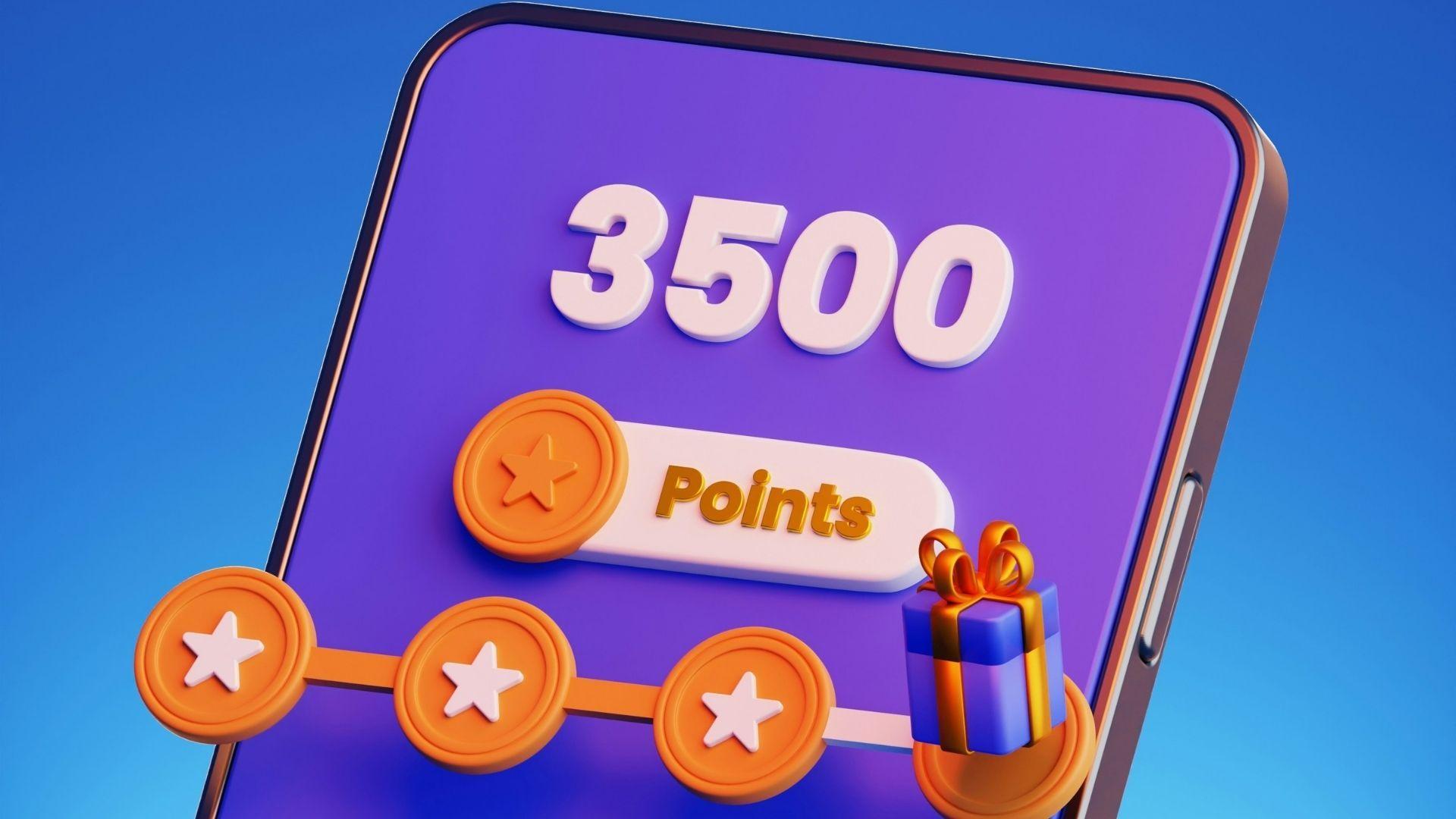
While financial perks like reduced interest rates on loans appeal to long-term planning, day-to-day engagement requires rewards that deliver immediate, visible value. Partner ecosystems allow financial institutions to deliver daily value by linking card usage to retail, dining, transport, and lifestyle choices.
Merchant-funded offer networks have transformed how banks fund and deliver these incentives. Through targeted cashback and personalized card-linked offers, merchants pay for the reward in exchange for direct exposure to the bank's active user base. This arrangement creates a clear three-way value model:
- For the Consumer: Everyday purchases at supermarkets, coffee shops, rideshare apps, or retail outlets yield instant cash returns or redeemable points without requiring separate loyalty cards or complicated promo codes.
- For the Merchant: Retailers gain access to verified spending data, allowing them to deliver highly targeted promotions to consumers who already shop within their category.
- For the Bank: The institution delivers compelling value to its users at minimal direct cost, while simultaneously increasing card transaction volume and gathering rich merchant-level data.
Beyond standard cashback, lifestyle integrations are expanding the definition of banking rewards. Innovative programs now allow users to earn points on major recurring expenses such as rent or monthly utility payments, converting historically unrewarded expenditures into travel points, homeownership savings, or retail discounts. Others partner with wellness brands, streaming services, or public transit operators to embed the bank card into every layer of urban life. When a bank card becomes the instrument through which a customer buys their morning coffee, streams music, and earns travel rewards, changing banks requires giving up a tailored ecosystem of personal benefits.
Building Trust Through Loyalty in a Regulated Sector
Unlike retail or hospitality, banking operates under strict regulatory oversight and handles sensitive consumer data. Loyalty programs in financial services must balance engagement strategies with compliance, data privacy, and ethical transparency. Misleading reward terms or overly complex redemption rules can damage customer trust faster than any promotional campaign can build it.
To maintain trust and remain compliant, financial institutions must prioritize clear standards across several core operational areas:
- Data Privacy and Open Banking Consent: Personalizing retail offers requires analyzing transactional data. Banks must ensure explicit opt-in consent for data sharing, maintain strict data governance standards, and give customers clear control over how their spending history is used for targeted marketing.
- Transparent Reward Rules: Restrictive expiration dates, hidden point caps, and confusing conversion ratios frustrate users. Successful financial loyalty programs use clear cash-equivalent values and simple redemption paths so customers feel the value instantly.
- Regulatory Compliance and Fee Structure: Financial regulators closely monitor consumer protection standards. Reward schemes must not encourage irresponsible borrowing or push customers into high-fee credit products under the guise of earning points. Incentives should support sound financial management rather than risky credit expansion.
- Security and Fraud Prevention: Loyalty point balances are increasingly targeted by digital fraudsters. Banks need to protect loyalty accounts with the same multi-factor authentication and security measures used for core transactional banking.
Trust is the foundational asset of any financial brand. A loyalty program that feels transparent, secure, and genuinely supportive reinforces that trust, converting routine regulatory obligations into a distinct competitive advantage.
Moving Beyond the Switching Cycle
The future of banking growth lies in long-term engagement rather than transactional acquisition. While cash switching bonuses will always hold a place in marketing toolkits, their ability to create sustainable primary banking relationships is limited. As customer retention becomes the ultimate metric of institutional success, banks must build loyalty strategies that reward real daily usage, integrate into broader consumer lifestyle ecosystems, and uphold the highest standards of trust and transparency. By prioritizing continuous value over one-time incentives, financial institutions can turn occasional account holders into loyal, lifelong partners.