

Loyalty programs have become essential tools for UK businesses looking to retain customers, increase lifetime value, and build sustainable competitive advantage. In 2026, successful loyalty programmes are those that prioritise personalised value exchange, data-driven incentives, and seamless experiences across channels.
The examples below illustrate how brands across industries leverage loyalty mechanics to create emotional connection, strengthen engagement, and drive repeat behaviour. These 15 best loyalty programmes in the UK demonstrate a range of strategies, from straightforward points systems to tiered experiences and digital-first reward structures.

1. Grocery Points Mechanic with Instant Value
One of the most familiar loyalty models rewards customers with points for every pound spent in grocery shopping. These points can be redeemed for discounts on future purchases, cash value vouchers, or exclusive product deals. Customers benefit from predictable accrual and redemption cycles, which reinforces regular visits.
What works well in this model:
Simple points accrual displayed clearly on receipts and apps
Frequent bonus events tied to shopping milestones
Flexible redemption on groceries and partner services
2. Fuel and Everyday Spend Rewards
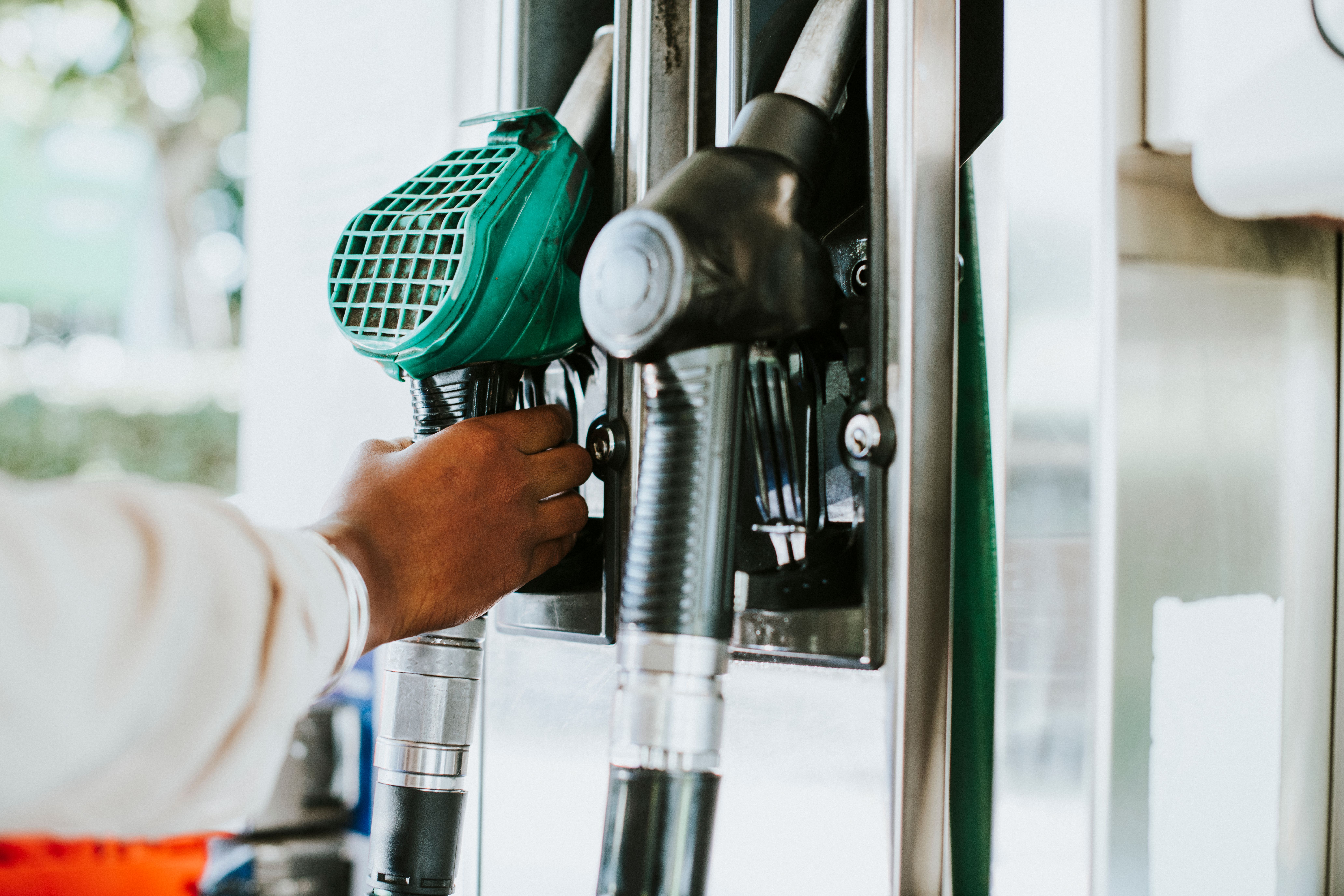
Loyalty programmes linked to everyday purchases such as fuel or convenience store items motivate routine behaviour. Points are earned per transaction and may be redeemed directly against fuel spend or additional retail purchases, encouraging frequency without complicating the offer.
Key success factors include:
Low friction sign-up and earn rules
Clear visibility of rewards
Regular bonus point campaigns

3. Multi-Channel Reward Ecosystem
Some loyalty programmes integrate spend across categories such as food, travel, lifestyle and online marketplaces. By consolidating activity into one ecosystem, customers earn cumulative value faster, which enhances perceived reward velocity and reduces fragmentation.
This model excels when:
Cross-category earning rules are transparent
Redemption options span experiences and products
Engagement nudges are tailored to behaviour

4. Tiered Status and Exclusive Access
Tiered loyalty programmes reward customers not just based on spend but on engagement depth. As customers move up tiers, they unlock exclusive benefits such as early access to sales, premium support, or higher reward earn rates. This structure increases emotional investment by linking status with value.
Effective tier mechanics involve:
Clear progression paths
Communication of benefit gaps between tiers
Ongoing tier status retention incentives

5. Subscription-Integrated Loyalty
Incorporating loyalty incentives into subscription services combines the predictability of recurring revenue with loyalty benefits. Subscribers may receive enhanced earn rates, exclusive rewards, or priority access, which reinforces both retention and perceived value.
Examples of strength in this model:
Personalised perks for long-term subscribers
Anniversary reward events
Loyalty objective metrics built into subscription renewal strategies

6. Cashback and Value Return Programmes
Cashback reward programmes provide a direct return on spend. By crediting a percentage of purchases back to the customer’s account, these loyalty structures appeal to budget-conscious consumers and align spend with tangible value.
Best practices include:
Frequent reward payout cycles
Clear communication of effective return rates
Integration with digital wallets or mobile apps

7. Community-Driven Reward Schemes
Some loyalty programmes focus on community and engagement beyond transactions. Customers earn rewards for participation in brand communities, user generated content, discussion forums, or advocacy campaigns. This model strengthens emotional loyalty by rewarding contribution.
Success factors include:
Incentives for engagement not tied exclusively to spend
Recognition features such as badges or leaderboards
Social sharing value triggers

8. Gamification-Led Loyalty Experiences
Gamified loyalty programmes incorporate game-like mechanisms such as progress bars, missions or challenges that reward customers for behavioural milestones. These structures increase engagement frequency by creating clear short-term goals and instant feedback loops.
Key elements:
Missions based on real behaviour such as repeat purchases
Visual indicators of progress toward rewards
Reward pacing that balances ambition with achievability

9. Personalised Reward Pathways
In 2026, personalised loyalty experiences outperform generic reward models. By leveraging first-party data, brands tailor offers based on preferences, past purchases, and lifecycle stage. Customers receive rewards that feel relevant rather than one-size-fits-all.
This approach works best with:
Segmented reward logic
Dynamic offer updates
Behaviour driven triggers

10. Experiential Reward Programmes
Rewarding customers with experiences rather than just discounts or points adds emotional depth to loyalty. Examples include invitations to exclusive events, workshops, or early product previews. Experiences create memorable interactions that strengthen long-term relationships.
Effective experiential programmes include:
Tier-based access to unique experiences
Events that reflect customer interests
Communication that emphasises exclusivity

11. Referral-Enhanced Loyalty
Referral incentives leverage existing customers to bring in new ones. While common in acquisition campaigns, referral rewards also strengthen retention when structured to benefit both the referrer and referee. Double-sided value exchange reinforces loyalty from the start of the customer lifecycle.
Referral programmes are most impactful when:
Rewards are attainable and meaningful
Communication highlights mutual benefit
Tracking is seamless and transparent

12. Eco-Focused Loyalty Initiatives
Sustainability oriented loyalty programmes reward behaviours that align with environmental values such as recycling, reduced energy use, or support for ethical products. These programmes appeal to values motivated customers and differentiate brands through purpose-led engagement.
Features that drive value include:
Behaviour linked badges and rewards
Clear tracking of environmental impact
Communications that celebrate progress

13. Coalition and Cross-Industry Loyalty
Cross-industry loyalty schemes allow customers to earn and redeem across partner networks. For example, grocery, travel and lifestyle categories may be linked under a single reward currency. This increases the usefulness of points and encourages strategic engagement across categories.
Success depends on:
Clear conversion rules
Broad yet relevant partner ecosystems
Unified customer experiences

14. Loyalty With Social Value Triggers
Some programmes integrate social value behaviours into earning logic. For example, customers may earn rewards for donating, participating in social causes, or supporting community events. This strengthens emotional brand connection and aligns loyalty with purpose.
Key design choices include:
Rewarding measurable social actions
Integrating charity or impact metrics
Transparent communication of outcomes

15. Data-Inspired Reactive Rewards
The most successful programmes use real-time data to trigger reactive rewards based on behaviour patterns. For example, customers who return after long inactivity or reach a seasonal spending milestone receive immediate personalised incentives. This approach uses behavioural science to strengthen repeat engagement.
Best in class when:
Predictive analytics inform trigger thresholds
Rewards align with lifecycle signals
Communication emphasises customer understanding
Common Traits of Top Loyalty Programmes
Across these 15 examples, high-performing initiatives share common attributes:
Clear value proposition
Customers should understand how they earn and what they get.
Consistent communication
Regular, relevant touchpoints keep the programme top of mind.
Seamless omni-channel experience
Customers earn and redeem rewards whether shopping online, in store, or via mobile.
Personalisation
Rewards that reflect individual preferences boost engagement.
Behaviour-driven design
Programmes reward meaningful behaviours — not just transactions.
These elements make loyalty programmes more than promotional mechanics; they become engines for long term retention and brand affinity.
Loyalty Programmes as Strategic Retention Tools
The best loyalty programmes in the UK today do more than reward transactions. They deepen emotional connection, encourage repeat behaviour, and create value loops that strengthen retention. In 2026, the intersection of data, behavioural science and customer experience design will continue to shape what “best” means.
Loyalty programmes that focus on relevance, clarity, personalisation and consistent value exchange will deliver not only short term engagement but sustainable long term relationships.