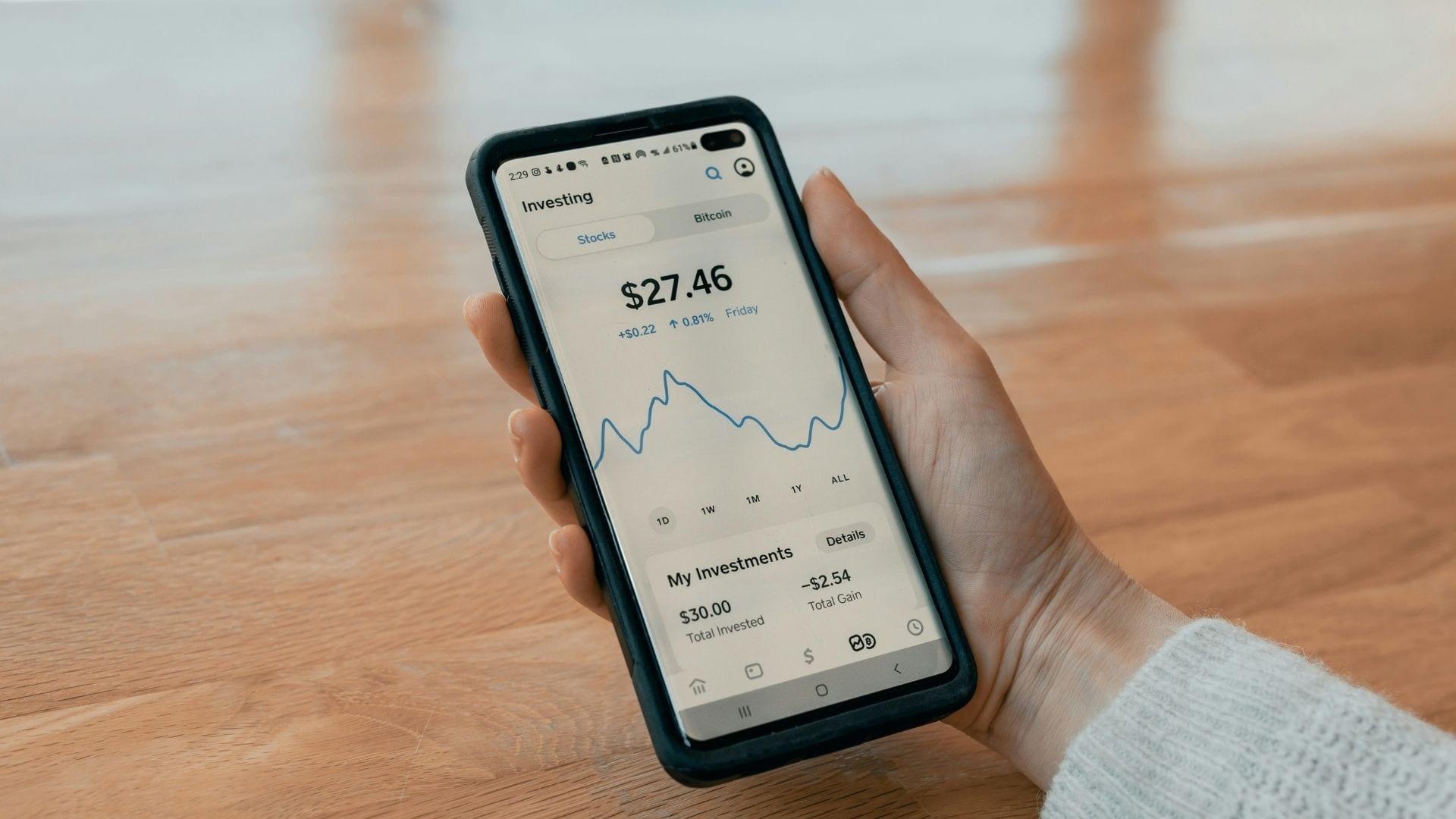


Customer retention is a defining success factor for fintech companies. In a sector characterised by low switching costs, rapid innovation and increasing customer choice, retaining existing users is often more challenging and more valuable than acquiring new ones. Unlike traditional financial institutions, fintech companies compete not only on price or functionality but also on experience, trust and continuous value delivery.
This guide explores customer retention in fintech from a strategic perspective. It covers why retention is critical for fintech companies, proven strategies that work in practice, how to measure success, common challenges with solutions, and future trends shaping retention in financial technology.

Customer Retention for Fintech Companies
Customer retention in fintech refers to a company’s ability to keep users actively engaged with its product or platform over time. Engagement may include regular app usage, recurring transactions, feature adoption or ongoing subscription activity.
Because many fintech products are digital-first and modular, customers can easily adopt multiple tools simultaneously or switch providers with minimal friction. As a result, retention depends less on contractual lock-in and more on perceived value, usability and trust.
Successful fintech retention strategies focus on embedding the product into customers’ daily financial behaviour, making the platform indispensable rather than optional.
Why Is Customer Retention for Fintech Companies So Important?
Retention is especially important for fintech companies due to several structural realities of the market.
Lower Switching Barriers
Most fintech products can be replaced quickly. Customers can open new accounts, download alternative apps or migrate funds with ease. Without strong retention mechanisms, churn becomes inevitable.
High Acquisition Costs
Fintech customer acquisition often relies on paid digital channels, incentives or referral bonuses. These costs escalate quickly, making long-term profitability dependent on retaining acquired users.
Lifetime Value Dependency
Many fintech business models rely on long-term engagement to reach profitability. Revenue may accrue through transaction fees, subscriptions, interest margins or cross-sell over time. Early churn undermines lifetime value.
Trust as a Competitive Advantage
Financial products require trust. Retained customers signal confidence in the platform’s security, reliability and ethics. Trust compounds over time and becomes a powerful retention driver.
Data and Personalisation Benefits
Long-term users generate richer behavioural data. This data enables better personalisation, smarter risk models and more relevant product recommendations, reinforcing retention further.
In fintech, retention is not just a growth metric. It is a validation of product-market fit.

Proven Customer Retention Strategies for Fintech Companies
Below are retention strategies that consistently perform well in fintech environments.
1. Invest in Seamless Customer Engagement Technology
Fintech retention starts with engagement infrastructure. Platforms must support consistent, real-time interactions across mobile, web and support channels.
Effective engagement technology enables fintech companies to:
Monitor usage patterns and inactivity
Trigger contextual messages and alerts
Deliver in-app guidance and education
Support omnichannel communication
Engagement should be proactive rather than reactive. Alerts about unusual spending, savings milestones or feature opportunities increase perceived value and keep users engaged.
2. Personalise the User Experience
Personalisation is critical in fintech because financial needs vary widely by user profile, behaviour and life stage.
Effective personalisation includes:
Tailored dashboards based on usage patterns
Contextual product recommendations
Personalised notifications and insights
Behaviour-based incentives
For example, a user who saves regularly may receive goal-based insights, while a user who frequently transfers money may receive efficiency-focused prompts. Personalisation demonstrates understanding, which reduces churn.
3. Remove Friction from the Customer Journey
Friction is one of the leading causes of fintech churn. Every unnecessary step, delay or confusion point increases abandonment risk.
Key areas to optimise include:
Onboarding and identity verification
Login and authentication flows
Core transaction processes
Customer support access
Fintech companies that simplify journeys reduce cognitive load and increase habit formation. A product that feels effortless becomes part of daily routines.

4. Reward Customers for Engagement
Rewards reinforce positive behaviour and encourage continued use. In fintech, rewards do not need to be purely monetary.
Effective reward mechanisms include:
Cashback or fee reductions
Loyalty points tied to usage
Interest boosts for savings behaviour
Early access to new features
Rewards should align with customer goals. Incentivising healthy financial habits strengthens both retention and customer outcomes.
5. Invest in Customer Loyalty Programs
Loyalty programs provide structure to retention strategies. In fintech, loyalty is most effective when it is behaviour-driven rather than purely transactional.
Examples of fintech loyalty mechanics include:
Tiered benefits based on engagement or tenure
Milestone recognition for usage or savings goals
Exclusive access to premium features
Partner rewards through ecosystem integration
Loyalty programs transform retention from a passive outcome into an active strategy.
6. Educate and Empower Users
Fintech products often introduce new concepts, tools or financial behaviours. Users who do not fully understand a product are more likely to disengage.
Education-driven retention includes:
In-app tutorials and tooltips
Financial literacy content
Usage tips based on behaviour
Transparent explanations of fees and benefits
Empowered users are more confident, more engaged and less likely to churn.

Measuring Success in Customer Retention for Fintech
Retention must be measured consistently to improve outcomes. Key fintech retention metrics include:
Customer Retention Rate
Measures how many users remain active over a period.
Formula:
Retention Rate = ((Users at End − New Users) ÷ Users at Start) × 100
Churn Rate
Tracks the percentage of users who stop using the product.
Formula:
Churn Rate = (Users Lost ÷ Users at Start) × 100
Monthly Active Users (MAU)
Measures ongoing engagement and product stickiness.
Feature Adoption Rate
Tracks whether users are engaging with key product features that drive value.
Customer Lifetime Value (CLV)
Estimates total value generated by a user over time.
Formula:
CLV = Average Revenue × Engagement Frequency × Expected Lifespan
Retention extends lifespan, increasing CLV significantly.
Challenges and Solutions in Fintech Customer Retention
Challenge: Low Product Differentiation
Solution: Compete on experience, personalisation and trust rather than features alone.
Challenge: User Overload and Feature Complexity
Solution: Progressive disclosure. Introduce features gradually based on behaviour.
Challenge: Trust and Security Concerns
Solution: Transparent communication, strong security signals and proactive alerts.
Challenge: Inconsistent Engagement
Solution: Behaviour-triggered nudges and loyalty incentives to maintain habit loops.
Future Trends in Fintech Customer Retention
Retention strategies in fintech will continue to evolve alongside technology and regulation.
AI-Driven Retention Models
Predictive analytics will identify churn risk earlier and trigger tailored interventions.

Embedded Finance and Ecosystems
Fintech products embedded into broader ecosystems will become harder to replace, increasing retention.
Ethical and Transparent Loyalty
Customers will expect clarity on rewards, data usage and value exchange.
Behavioural Finance Integration
Retention strategies will increasingly align with behavioural science to support positive financial habits.
Experience as the Primary Differentiator
As features commoditise, experience quality will become the dominant retention driver.
Final Thoughts
Customer retention for fintech companies is not a secondary objective. It is the foundation of sustainable growth. Fintech products succeed when they become trusted, habitual tools that users rely on daily.
By investing in engagement technology, personalisation, frictionless journeys, meaningful rewards and structured loyalty programs, fintech companies can reduce churn and increase lifetime value.
Retention is earned through consistent value delivery. Fintech brands that understand this shift from acquisition-first to relationship-first thinking will be best positioned to thrive in an increasingly competitive market.