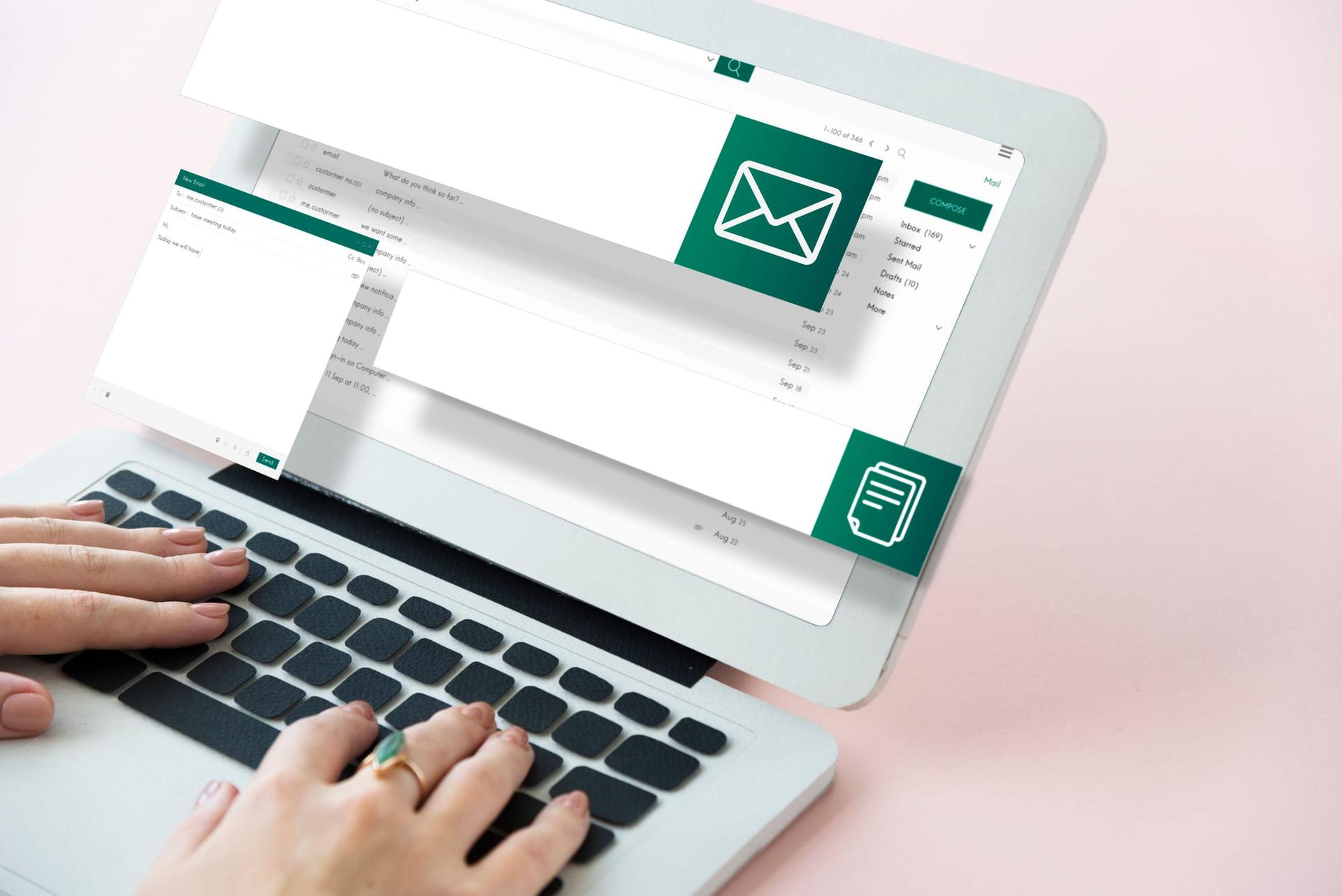
In loyalty marketing, email automation refers to the use of trigger based, behavior driven email workflows designed to increase customer retention, engagement frequency, and lifetime value. Rather than sending one time campaigns to broad segments, email automation delivers personalized messages automatically based on customer actions, milestones, or inactivity.
Loyalty programs rely on consistent communication. Customers need reminders, recognition, and reinforcement at specific moments in their journey. Email automation ensures these touchpoints happen systematically, without manual effort, while remaining relevant to each individual.
Email Marketing Automation
Email marketing automation is the process of sending emails automatically when predefined conditions are met. These conditions, often called triggers, are based on user behavior, lifecycle stage, or loyalty status.
In a loyalty context, email marketing automation connects customer data with real time communication. For example, when a customer earns points, reaches a tier milestone, redeems a reward, or becomes inactive, the system automatically sends a tailored email.
Unlike traditional email campaigns that are time scheduled, automation is event driven. It reacts to customer behavior rather than broadcasting messages at fixed intervals. This makes it significantly more effective in loyalty environments where timing is critical.
Automation platforms integrate with ecommerce systems, CRM tools, and loyalty engines to pull dynamic data such as:
Points balance
Tier status
Recent purchases
Reward availability
Engagement frequency
This data enables personalized messaging at scale.
The Benefits of Email Automation in Loyalty Programs
Email automation delivers measurable strategic advantages in loyalty marketing.
Consistency across the lifecycle
Automated workflows ensure that key loyalty moments are never missed. Welcome emails, milestone celebrations, and re engagement sequences are triggered automatically.
Improved retention
Timely reminders and progress updates reduce the risk of silent churn. When customers are reminded of unused rewards or approaching tier upgrades, they are more likely to return.
Higher engagement frequency
Regular, relevant communication reinforces habit formation. Customers who are reminded of their status and progress interact more often.
Personalization at scale
Automation allows dynamic content tailored to each customer’s behavior. A high tier member receives different messaging than a new enrollee.
Operational efficiency
Once workflows are built, they run continuously. Marketing teams can focus on optimization rather than repetitive campaign creation.
In loyalty ecosystems, automation transforms email from a promotional tool into a retention infrastructure.
Common Types of Email Automation in Loyalty Marketing
Loyalty programs typically use multiple automated workflows designed for different lifecycle stages.
Welcome automation
Triggered when a customer joins the loyalty program. These emails explain benefits, earning rules, and encourage first engagement.
Post purchase automation
Sent after transactions to highlight points earned, remaining balance, or recommended next actions.
Tier milestone automation
Triggered when a customer upgrades or is close to upgrading tiers. These emails emphasize exclusivity and status.
Reward reminder automation
Sent when points are about to expire or rewards are available. These messages increase redemption rates.
Re engagement automation
Triggered after inactivity. Designed to bring customers back with reminders, incentives, or personalized messaging.
Behavioral nudges
Sent when a customer is close to a reward threshold or challenge completion, leveraging progress psychology.
Together, these workflows create a structured loyalty communication system that continuously supports engagement.
FAQs
What’s the Difference Between Email Automation and Drip Campaigns?
Drip campaigns follow a fixed sequence of emails sent over time, regardless of user behavior. Email automation is dynamic and triggered by specific actions.
In loyalty marketing, automation adapts to events such as purchases or tier changes, while drip campaigns are typically time based educational sequences.
How Many Emails Should an Automation Include?
There is no universal rule. A welcome automation may include three to five emails, while a re engagement sequence may contain two or three.
The optimal number depends on the loyalty objective and customer behavior patterns. Relevance is more important than volume.
Can I Use Automation With a Small Email List?
Yes. Automation is highly effective even with small lists. In fact, personalization often has a stronger impact in smaller customer bases.
Early stage loyalty programs benefit from automation because it ensures consistent engagement without requiring large marketing teams.
What Triggers Work Best for Email Automation?
The most effective triggers in loyalty marketing include:
Loyalty program enrollment
First and repeat purchases
Points milestones
Tier upgrades
Reward expiration
Extended inactivity
Triggers should align with meaningful behavioral moments, not arbitrary timing.