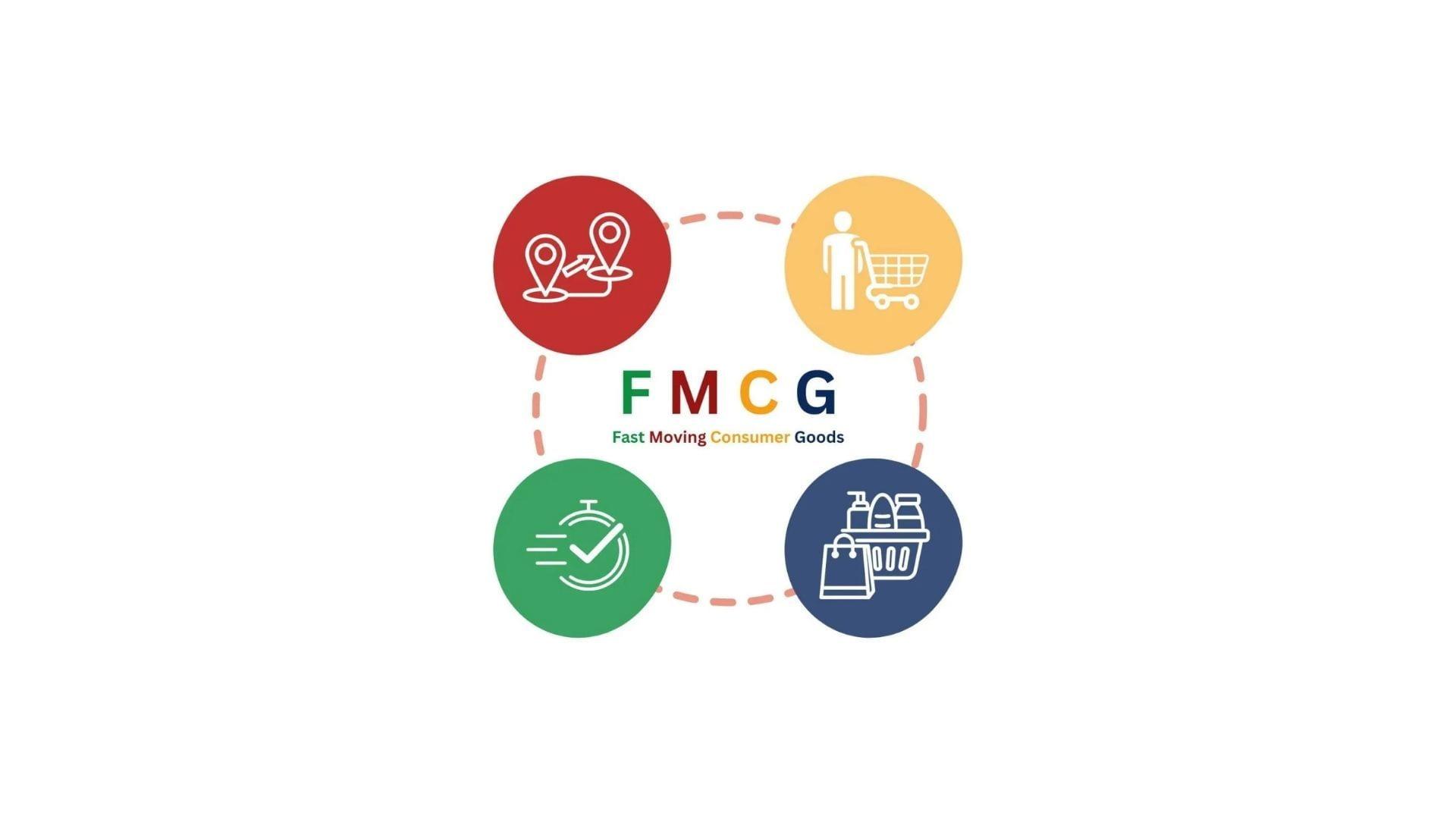


FMCG Marketing in 2026: Why Loyalty Is the Missing Channel
For decades, fast-moving consumer goods (FMCG) brands grew by mastering a simple playbook: secure prime shelf space, run high-frequency television campaigns, and drop prices during holiday weekends to move volume. This system built global empires, but the foundations are cracking.
Fierce private-label competition, deep loyalty erosion, and the rise of digital discovery have left traditional trade marketing tools struggling to deliver sustainable margins. At the same time, the death of third-party cookies and the tightening of global data privacy regulations mean the old ways of targeted digital advertising are disappearing.
FMCG brands have arrived at a critical turning point. Winning the aisle requires moving past aggregate metrics and anonymous transactions.
The most effective, underutilized channel for consumer packaged goods (CPG) companies is not a new ad platform or a social commerce format. It is a structured loyalty program.
By treating loyalty as a core marketing channel, brands can bridge the historical gap between production and consumption, turning passive purchasers into a rich source of proprietary insights.
Why FMCG Brands Struggle to Build Direct Relationships
The central challenge of FMCG marketing lies in a structural reality: manufacturers almost never sell directly to the people who consume their products. A multi-layered network of wholesalers, distributors, and major supermarket chains sits squarely between the factory floor and the household kitchen. This creates a massive data vacuum for the brand.
When a customer buys a box of cereal or a bottle of shampoo at a local grocery store, the point-of-sale (POS) data belongs to the retailer, not the brand. The retailer sees that a transaction occurred, notes the basket composition, and tracks individual credit card habits through their own store loyalty cards.
The brand, meanwhile, receives aggregate, delayed sales reports from external data providers. They can see that sales spiked in a specific zip code during a promotional week, but they cannot tell you who bought the item, why they chose it, or if they had ever purchased it before.
Furthermore, low-consideration, high-frequency categories face a unique psychological hurdle. A consumer does not buy a tube of toothpaste or a bag of potato chips the same way they buy a smartphone or a pair of running shoes. These are low-involvement purchases driven by habit, immediate shelf availability, and sudden pricing shifts.
Because the financial and emotional commitment per transaction is minimal, getting a consumer to download a dedicated mobile application or visit a website just for an everyday household staple feels like an uphill battle.
Without an immediate, tangible reason to interact directly with the corporate entity behind the product, the customer leaves the store completely anonymous, breaking the relationship until the next time they face the shelf.
How Loyalty Programmes Unlock First-Party FMCG Data
To break this cycle of anonymity, forward-thinking brands are using modern loyalty frameworks as a primary infrastructure for data collection. By shifting incentives from simple price discounts to experiential rewards and utility, brands give consumers a direct reason to identify themselves.
The mechanic is straightforward yet transformative. By embedding unique QR codes directly on product packaging or providing easy digital tools for receipt validation, brands bypass the retailer's data wall completely. A consumer scans a code on a beverage bottle or uploads an image of their grocery receipt to earn rewards, participate in a community initiative, or unlock exclusive digital content.
The friction for the shopper drops significantly, while the return on investment for the brand scales dramatically.
This mechanism converts anonymous actions into clean first-party data stored inside the brand's own customer data platform (CDP). Instead of guessing consumer intent through delayed retail panels, marketers can observe actual behaviors in real time. This data loop unlocks several key capabilities:
- Granular Purchase Velocity: Brands can see exactly how fast a household moves through a product, enabling precise timing for reminder notifications or cross-category recommendations.
- Cross-Basket Diagnostics: Receipt data shows what else the consumer is buying during their weekly grocery trip, revealing unexpected flavor pairings, dietary shifts, or hidden competitive threats.
- Behavioral Response Mapping: Instead of looking at broad category elasticities, revenue growth management teams can observe how specific, named consumer segments react to pricing changes or pack-size updates.
Ultimately, this turns a cost-heavy marketing initiative into a proprietary data asset that competitors cannot purchase or clone, giving the brand a permanent voice in the consumer's daily routine.
Working With Retail Partners Without Losing the Customer Relationship
For an FMCG brand, bypassing the retailer entirely is rarely a viable option. Brick-and-mortar grocery chains and major digital retailers handle the vast majority of physical volume, control shelf visibility, and run massive retail media networks (RMNs). The goal of a brand loyalty program is not to alienate these vital partners, but to change the power dynamic through structured collaboration.
The traditional model of trade promotion is heavily tilted in the retailer's favor. Brands spend millions of dollars funding in-store discounts, endcap displays, and digital catalog placements without knowing which specific households actually respond to the investment.
By building an independent loyalty asset, the brand creates a powerful counterweight. When a brand holds a direct connection to several million verified buyers, it transforms from a simple product supplier into a strategic data partner.
This collaborative approach relies on privacy-safe data environments known as data clean rooms. Within these secure digital spaces, a brand can match its loyalty audience against the retailer's point-of-sale systems without either party exposing raw, personally identifiable information (PII).
This allows the brand to execute highly targeted joint business plans with retailers. For example, a brand can identify a segment of lapsed heavy buyers through its loyalty app and run a co-branded, geo-targeted digital coupon campaign via the retailer’s application, driving immediate foot traffic to physical stores.
This creates a mutually beneficial outcome. The retailer secures measurable in-store sales lift and higher basket sizes. The brand ensures its trade marketing spend is laser-focused on real growth segments rather than subsidizing consumers who would have bought the product anyway.
More importantly, the underlying customer relationship remains securely tied to the brand's loyalty ecosystem, insulating the manufacturer from sudden algorithmic shifts or pricing pressures imposed by the retail channel.
Case Studies From CPG Brands Going Direct
Several major global consumer packaged goods enterprises have successfully moved away from old-school transactional marketing, building scalable direct-to-consumer data channels that prove the economic viability of this approach.
Pampers (Procter & Gamble)
One of the longest-running examples of this strategy is the Pampers Club program. Knowing that the lifecycle of a diaper customer is short but intense, Procter & Gamble designed a system centered entirely around mobile receipt scanning and diaper pack codes. Parents scan codes to earn points redeemable for baby gear, household items, or charitable donations.
This provides P&G with an invaluable view of a child's developmental path. By analyzing consumption rates and purchase intervals, the brand knows exactly when a household is ready to transition from newborn sizes to training pants, allowing them to deliver personalized digital offers weeks before the consumer steps up to the retail shelf.
PepsiCo (Tasty Rewards & On-Pack Ecosystems)
PepsiCo has integrated loyalty deep into its brand portfolio through initiatives like Tasty Rewards. By combining digital coupons, gamified recipe content, and sweepstakes across its snack and beverage lines, the company has built a massive database of verified households.
During periods of high inflation and cost-of-living strains, this first-party infrastructure allowed PepsiCo to bypass generic mass media and distribute targeted digital promotions directly to value-seeking consumer groups, maintaining volume share without eroding overall gross margins.
General Mills & Fetch Collaboration
Rather than building a standalone application from scratch, General Mills scaled its direct reach by executing a portfolio-wide integration with the independent loyalty platform Fetch. Consumers earn points by scanning any grocery receipt containing General Mills brands like Cheerios, Yoplait, or Nature Valley.
This partnership grants General Mills cross-basket analytics, letting them see what competing items or complementary categories enter the shopper's cart. By leveraging these insights to deploy automated, contextual offers at the moment of receipt upload, General Mills generated a significant increase in sales velocity compared to standard, untargeted trade promotions.
The Path Forward: Activating Loyalty for Strategic Growth
In an industry where margins are hard-won and brand equity can disappear over a single pricing dispute, owning your audience data is the ultimate competitive moat. Loyalty programs are no longer optional retention tactics reserved for airlines or luxury hospitality groups. They are a fundamental piece of modern FMCG marketing infrastructure.
Moving forward, the brands that thrive will be those that look past aggregate retail reports and invest heavily in direct digital handshakes.
By building frictionless, value-driven loyalty channels, FMCG companies can reclaim their customer relationships, optimize their massive trade spending, and build a lasting foundation of first-party insights that keeps them ahead of the market.