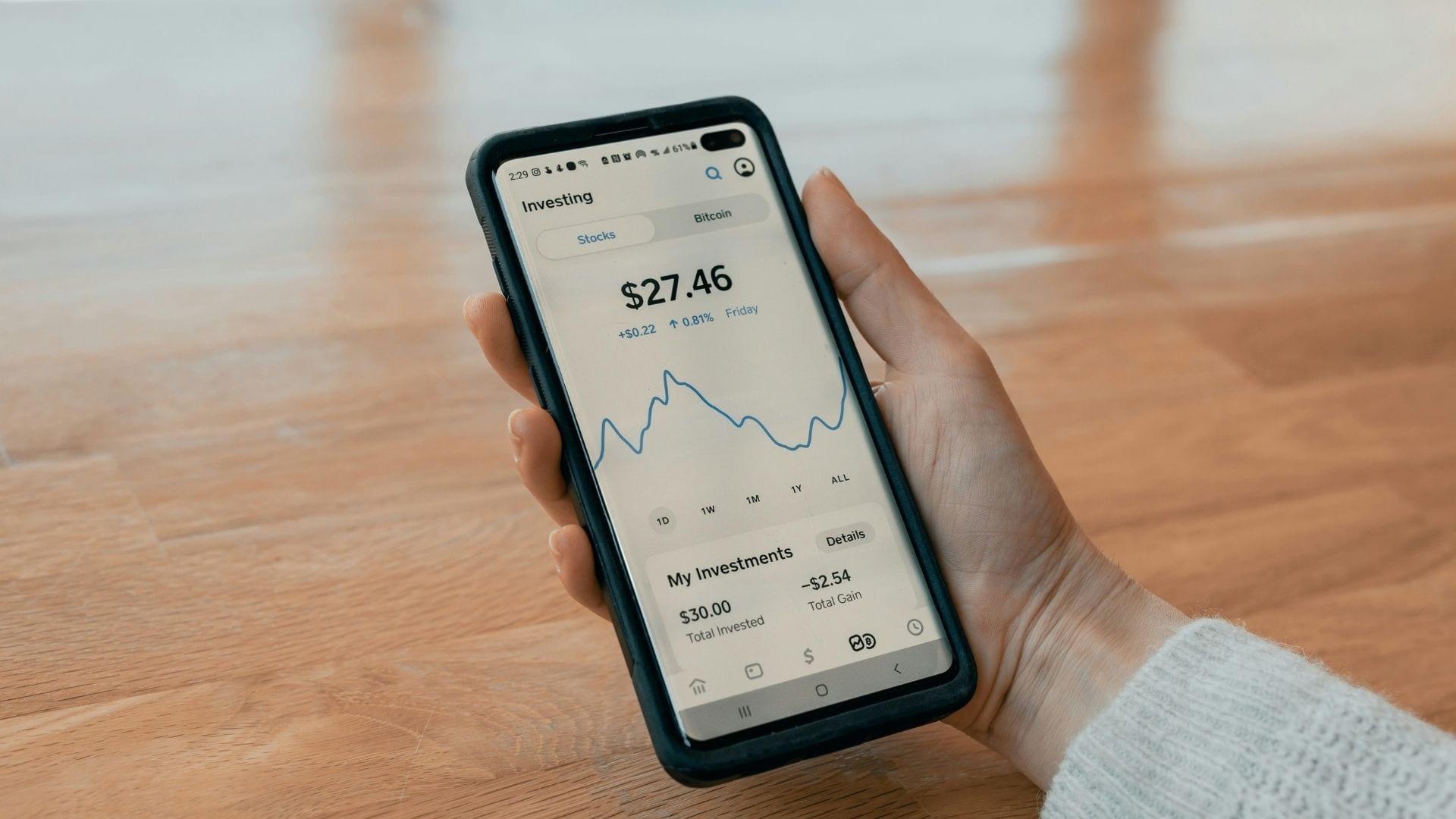


Investment Apps: What Drives Long-Term User Retention in 2026
The retail investment ecosystem has shifted dramatically over the past decade. The initial wave of digital disruption focused heavily on lowering friction: eliminating trading commissions, offering fractional shares, and making account opening as fast as possible. However, acquiring users with slick marketing and zero-fee trading is no longer enough to build a profitable business.
Retail wealth platforms face a harsh reality: acquisition costs remain high, while user attention spans are shorter than ever. Converting a curiosity-driven download into a committed, multi-year investor is the primary challenge for product leads and growth marketers today. High initial sign-up numbers often mask a quiet exodus of inactive accounts, low average account balances, and high churn rates.
To survive and scale, consumer investment products must move beyond novelty. Understanding what keeps users engaged for years, rather than weeks, requires analyzing how user behavior in wealth management differs from other consumer technology categories, where drop-offs happen, and how product architecture can encourage lasting financial habits.
Why Investment App Churn Looks Different From Other Fintech Verticals
Retaining an investment app user is fundamentally different from retaining a neo-bank customer, a buy-now-pay-later (BNPL) user, or a budgeting tool user. Understanding this distinction is essential for setting realistic engagement benchmarks and designing effective retention strategies.
Market Volatility vs. User Sentiment
In most digital products, churn is caused by poor performance, bugs, or lack of ongoing utility. In investment platforms, churn is frequently driven by external market conditions. When equity markets experience downturns or prolonged stagnation, user engagement naturally drops. Casual investors who opened accounts during a bull market often experience loss aversion when their portfolio dips into the red. Instead of engaging more to adjust their strategy, they open the app less frequently or withdraw their capital entirely.
Silent Churn and Dormant Capital
In neo-banking or payment apps, churn is usually binary: a user either uses their card weekly or closes their account. In wealth apps, churn often takes a silent form. A customer might leave their account open with a nominal balance of £20 or $50, but stop depositing fresh funds. While the user is technically registered as active on backend metrics, their lifetime value (LTV) effectively drops to zero. This passive churn is particularly dangerous because it distorts true active user metrics while consuming infrastructure and compliance costs.
The Problem with High Velocity Engagement
Trading platforms that rely on frequent manual transactions often confuse short-term activity with long-term retention. Encouraging users to trade speculative assets continuously creates high day-30 activity, but it also accelerates account depletion. When retail traders experience quick losses, they leave the platform for good. Real, sustainable retention in personal finance relies on asset accumulation, steady portfolio growth, and compounding returns, all of which require lower daily trading velocity and higher long-term consistency.
Onboarding & First-Deposit Drop-Off
The critical window for retaining an investment user opens the moment they finish downloading the app. Industry benchmarks show that a significant portion of sign-ups never complete their first deposit, and among those who do, many abandon the app within thirty days. Closing this gap requires identifying and removing structural friction points during account setup.
The Friction Balance: Identity and Compliance
Unlike basic consumer apps, investment platforms are bound by strict regulatory checks, including Know Your Customer (KYC) protocols, Anti-Money Laundering (AML) checks, and investor suitability assessments. Every extra field, document upload, or identity verification check increases user drop-off.
The best-performing platforms handle compliance through progressive onboarding. Instead of requiring users to complete an exhausting fifteen-minute questionnaire before seeing the product, top apps let users explore the interface, preview investment options, or test simulated portfolios early in the process. Strict verification steps are triggered only when the user prepares to link a bank account or fund their wallet. By demonstrating value before asking for heavy administrative effort, platforms improve completion rates significantly.
Reducing Time-to-First-Investment
A successful registration is only half the battle. The primary friction point shifts immediately to the first deposit. Delaying this action increases the probability that the user will forget about the app entirely. Leading apps address this by integrating direct open banking APIs and fast payment rails, allowing instant account funding via bank transfers rather than manual wire details or multi-day ACH waits.
Furthermore, new users often experience decision paralysis when faced with thousands of stocks, bonds, and exchange-traded funds (ETFs). Without clear guidance, they exit the app to do outside research and rarely return. Modern onboarding flows overcome this by guiding users through simple, goal-oriented portfolio builders or curated index baskets, turning a complex choice into a straightforward step.
Building Habits Around Regular Investing, Not Just Trading
To build a resilient platform, product teams must shift their design philosophy away from transactional trading and toward automated, habitual investing. The goal is to make wealth accumulation a background process that occurs reliably every month without requiring manual intervention.
Automated Contributions and Portfolio Rules
The single most effective retention mechanic in retail wealth management is automated recurring deposits. When users set up a standing order or automated direct debit aligned with their monthly pay date, their long-term retention rate rises dramatically.
Advanced investment apps expand on basic recurring deposits by offering automated portfolio allocation tools. Features such as automatic dividend reinvestment, auto-rebalancing, and rule-based portfolio "pies" allow users to distribute incoming funds across a pre-set mix of assets effortlessly. Once a user establishes an automated investing schedule, their retention ceases to depend on daily app logins, shifting instead to steady, long-term asset growth.
Meaningful Context Over Gamification
Early retail investment apps leaned heavily on gamification: digital confetti, flashy animations, and push notifications highlighting volatile market movers. While these tactics boost short-term app opens, they fail to drive meaningful retention and often encourage poor financial decision-making.
In 2026, successful apps replace superficial gamification with contextual educational tools and progress tracking. Product teams are prioritizing features like:
- Net Worth Aggregation: Giving users a consolidated view of their overall financial health, connecting pensions, savings, and investments in one place.
- Goal-Based Tracking: Showing clear projections of how current monthly contributions will accumulate over five, ten, or twenty years.
- Smart Notifications: Delivering timely market summaries and calm, long-term educational context during market drops, reassuring users rather than panicking them.
Yield on Uninvested Cash
Another powerful habit-building feature is offering competitive interest rates on uninvested cash balances. When platforms pay interest on idle capital, users are encouraged to move larger sums of money into the app ecosystem. Even when investors wait for market opportunities, their capital remains within the platform rather than sitting in a traditional current account.
What the Best UK Investment Apps Get Right
The United Kingdom represents one of the most competitive and mature fintech markets globally. UK retail investment apps face tight regulation from the Financial Conduct Authority (FCA) alongside an informed user base that expects low fees, flexible tax wrappers, and clean mobile interfaces. Analyzing the strategies of market leaders like Trading 212, Freetrade, AJ Bell, Plum, and Moneybox offers clear lessons in long-term retention.
Tax Wrapper Integration (ISAs & SIPPs)
In the UK market, tax-efficiency is the primary driver of investor loyalty. The annual Stocks and Shares ISA allowance gives investors a compelling reason to consolidate their capital within a single platform. Platforms that offer seamless, flexible Stocks and Shares ISAs alongside Self-Invested Personal Pensions (SIPPs) achieve far higher customer stickiness.
Once a customer builds a multi-year ISA or consolidates old workplace pensions into a SIPP on a platform, the friction involved in transferring those tax wrappers elsewhere becomes substantial. UK apps that lead in retention act as primary financial hubs rather than simple trading accounts.
Micro-Investing and Automated Savings
Apps like Moneybox and Plum have built massive user bases by focusing on micro-investing and automated round-ups. By connecting to a user's primary bank account via Open Banking, these apps automatically round up daily purchases to the nearest pound and invest the spare change into low-cost index funds.
This approach lowers the barrier to entry to almost zero. Users begin investing without changing their lifestyle or making conscious budgeting sacrifices. Over time, as their account balance grows, these platforms successfully cross-sell structured monthly investment plans and tax-advantaged accounts.
Transparent, Value-Aligned Fee Structures
Fee models directly influence user trust and long-term retention. High fixed transaction charges destroy returns for small investors, leading to quick platform abandonment. Conversely, zero-commission platforms that hide costs in wide foreign exchange (FX) spreads risk alienating experienced users over time.
Leading UK investment apps are increasingly adopting clear, transparent pricing models:
- Flat Monthly Subscriptions: Used by platforms like Freetrade and Interactive Investor, where users pay a predictable monthly fee in exchange for lower FX costs, ISA access, and pension administration.
- Low Asset-Under-Management (AUM) Tiering: Preferred by platforms like AJ Bell Dodl and InvestEngine, charging a small percentage fee that remains cost-effective as portfolio value grows.
- Zero-Commission with Low FX Fees: Applied by platforms like Trading 212, combining free core trades with transparent, low-margin currency conversion costs.
By aligning platform revenues with portfolio growth rather than transactional churn, these apps foster long-term alignment with their user base.
The Path Forward for Investment App Retention
In 2026, winning investment apps are moving away from chasing vanity metrics like daily active users (DAU) and short-term trade volume. Instead, the most sustainable fintech companies measure success by Net Inflows, Assets Under Management (AUM) growth, and 12-month cohort retention.
Achieving long-term retention requires recognizing that investing is inherently a multi-decade journey. Platforms that win respect user trust, reduce friction at key decision points, automate wealth-building habits, and provide genuine tax-efficient value. By focusing on customer financial success rather than market speculation, investment platforms build high-LTV relationships that withstand market cycles and changing economic landscapes.