
Loyalty Card Benefits: What Members Actually Value Most
Many businesses launch loyalty programs with the best intentions, assuming that any reward will satisfy their customers. However, there is a large gap between what companies think people want and what members actually choose to use. In a crowded marketplace where the average consumer holds multiple loyalty cards but only uses a fraction of them regularly, offering the right mix of rewards is the only way to stay relevant.
When you look at why people abandon programs, it rarely comes down to a lack of interest. Instead, it happens because the rewards feel out of reach, irrelevant, or simply not worth the effort. To build a system that keeps people coming back, brands need to understand how consumers rank different types of perks, what recent market research reveals about shopping habits, and how to create high-value experiences without breaking the operational budget.
Discounts vs. Points vs. Experiential Benefits Ranked
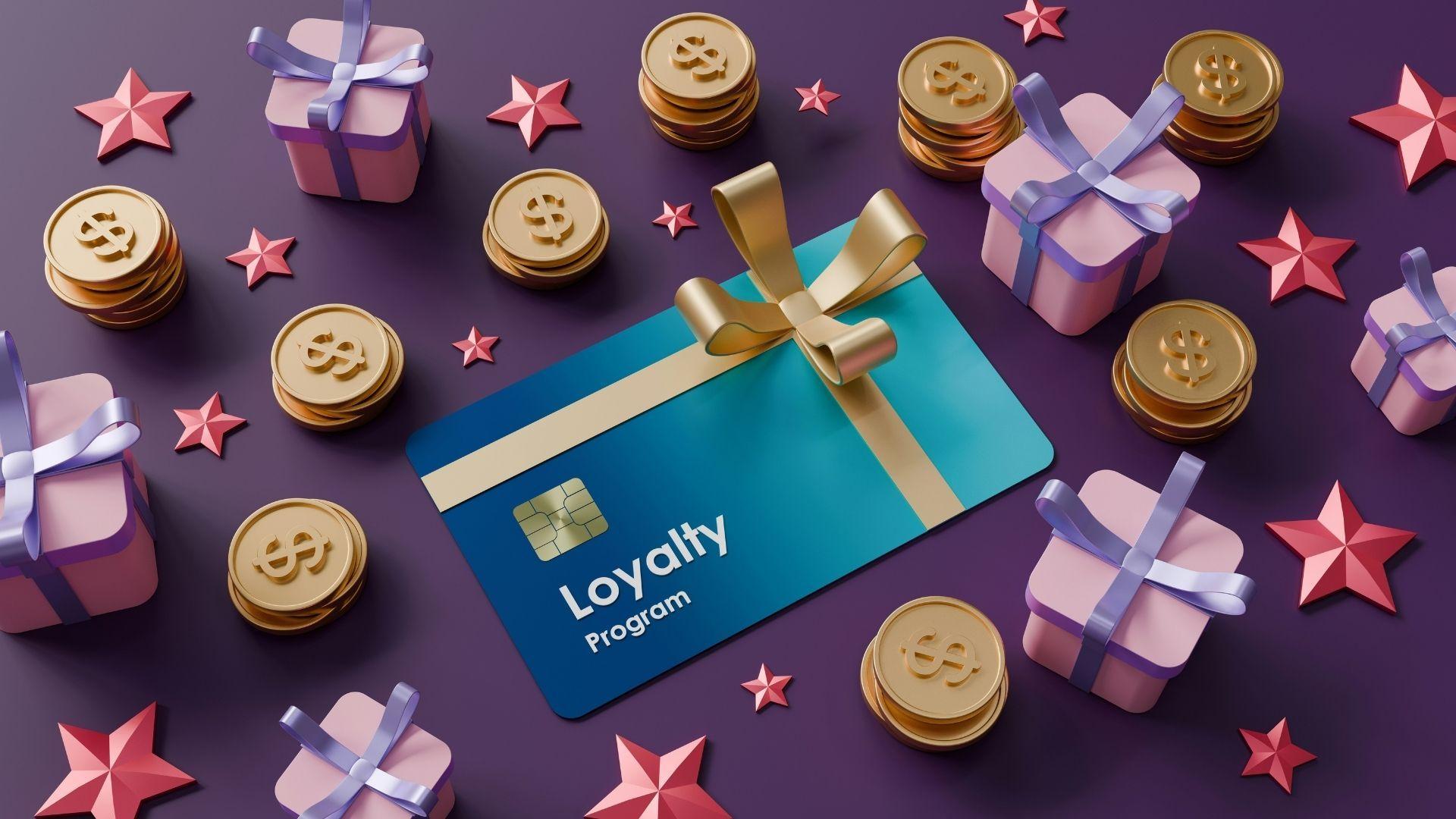
To create a balanced loyalty ecosystem, it helps to look at the three main pillars of customer rewards: direct discounts, points systems, and experiential perks. Each pillar triggers a different psychological response, and they rank differently depending on the immediate needs of your audience.
- Direct Discounts (Ranked First for Immediate Action) Immediate price reductions remain the clear winner for driving daily transactions. Whether it is a member-only price at checkout or a digital coupon sent to a mobile app, instant financial gratification cuts through marketing noise. During periods of economic pressure, immediate savings become even more dominant. Consumers prefer a guaranteed 10% off their current purchase over the promise of a future reward because it provides instant value that helps their current household budget.
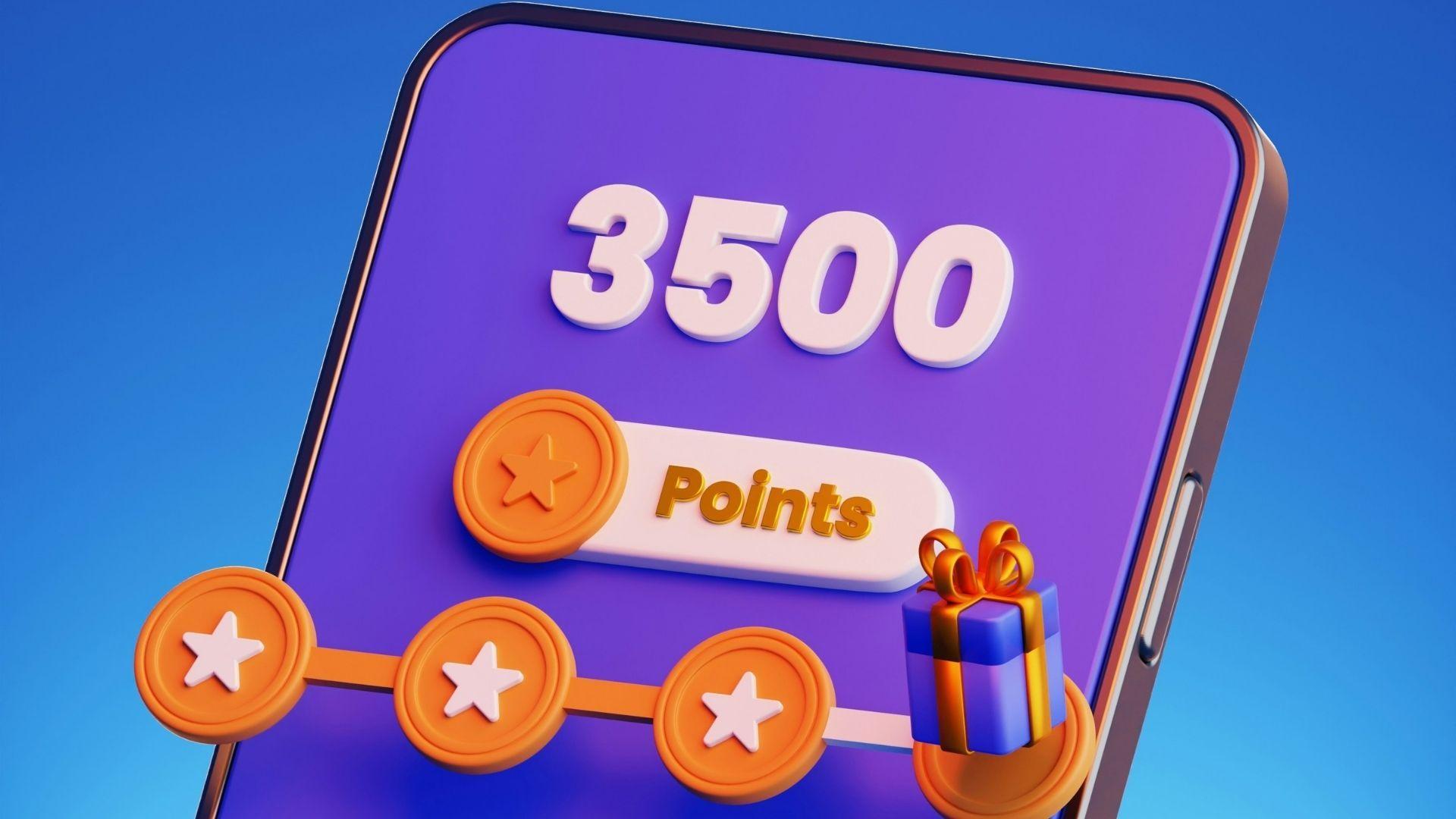
- Points Systems (Ranked Second for Long-Term Retention) Points structures are excellent tools for building habit-forming behavior. They work by creating a sense of accumulated investment. When a customer knows they are close to unlocking a reward milestone, they are far less likely to visit a competitor. The challenge with points is reducing the friction required to use them. If the path to redemption is confusing, or if it takes six months of heavy spending to earn a single reward, members will lose interest and let their balances expire.
- Experiential Benefits (Ranked Third for Emotional Connection) While experiential rewards rank lowest for daily transaction volume, they rank highest for building brand advocacy. These include perks like early access to new product drops, members-only events, or dedicated customer service channels. Experiential benefits do not necessarily drive the highest transaction numbers on a Tuesday afternoon, but they create deep emotional ties. They make your highest-spending customers feel like part of an exclusive club, transforming routine buyers into vocal brand fans.
A healthy program does not choose just one of these pillars. Instead, it uses instant discounts to capture attention, a points system to encourage repeat visits, and experiential perks to protect your best customers from shifting to a rival brand.
What UK Consumer Research Says About Loyalty Card Value
Looking closely at recent UK consumer data reveals a sharp shift in how British shoppers interact with loyalty schemes. With living costs remaining top of mind, the traditional view of loyalty cards as a fun hobby has changed. Today, UK consumers view loyalty programs as a practical tool for financial management.
Data from major retail analysts shows that over 85% of UK adults are active members of at least one supermarket loyalty scheme. The rapid rise of dual-pricing structures, where scanned app members receive significantly lower prices on matching items, has altered high street expectations. Shoppers now expect immediate rewards just for showing up. If a brand forces them to wait months to accumulate points before seeing a single penny of value, those shoppers will quickly move to an agile competitor.
The research also highlights a clear divide across different age groups. Older UK demographics value straightforward financial rewards, favoring direct cashback, clear price cuts, and straightforward vouchers. Younger demographics, such as Gen Z and Millennials, look for flexibility and shared values. They favor digital-first programs that sync with digital wallets and offer options to convert points into charitable donations or sustainability initiatives, like planting trees or offsetting carbon footprints.
Crucially, UK research proves that high enrollment does not equal high engagement. While a shopper might download an app or put a plastic card on their keychain, they will only use it if the value is clear within the first three transactions. If the onboarding process feels like homework, or if the initial offers fail to match their shopping list, the app will be deleted or ignored.
Benefits That Cost Little But Drive Strong Perceived Value
Many businesses worry that upgrading their loyalty benefits will wipe out their profit margins. The reality is that some of the most appreciated perks cost very little to implement but hold immense perceived value for the end user.
Consider the power of digital convenience. Giving members a digital receipt repository inside an app costs next to nothing in terms of variable operational costs, yet it solves a genuine daily frustration for shoppers who hate tracking paper receipts for returns or warranties. Similarly, offering extended return windows for loyalty members relies on existing infrastructure but provides great peace of mind at checkout.
Surprise gifts and digital recognitions also punch well above their financial weight. A personalized digital greeting on a member's birthday paired with a small perk, such as a free beverage or priority order slot, creates a memorable touchpoint. It shows the customer that they are recognized as an individual rather than a line item on a spreadsheet.
Another low-cost, high-impact strategy is leveraging strategic partnerships. By teaming up with non-competing businesses that share your audience, you can offer joint rewards that benefit both sides. For example, a clothing retailer might partner with a local coffee chain to offer members a complimentary drink voucher. This provides immediate, tangible value to your customer without adding any production or supply costs to your own balance sheet.
Designing Benefits Around Member Data, Not Guesswork
The biggest mistake a company can make is designing a loyalty program based on executive assumptions rather than actual customer habits. When you build rewards around guesswork, you end up wasting resources on perks that your audience does not care about while missing the real drivers of retention.
Every swipe of a loyalty card, app scan, and online checkout leaves a clear trail of data. This information tells you exactly when your customers shop, what items they pair together, and how much they are willing to spend before looking for a discount. Smart brands use this information to build rich customer profiles, allowing them to shift away from broad, generic discounts and move toward highly relevant, personalized offers.
For example, if the data shows that a segment of your audience buys premium skincare every eight weeks, sending them a generic coupon for home goods is a missed opportunity. Instead, sending a personalized reminder or an early-access invite for a new skincare launch right around week seven keeps your brand front of mind at the exact moment they are ready to restock.
Data also helps you optimize your overall reward budget. By analyzing redemption rates, you can quickly identify which perks are genuinely driving repeat business and which ones are draining resources without changing consumer behavior. This continuous cycle of tracking and refinement ensures that your loyalty program remains an efficient revenue engine, rather than an expensive marketing expense.
True loyalty is never built on a one-size-fits-all approach. By paying close attention to actual consumer preferences, analyzing regional shopping research, offering smart low-cost perks, and letting clean customer data guide your strategy, you can create a program that delivers measurable value to your members and sustainable growth to your business.