
What Is a Digital Stamp Card?
We have all been there: you stand at the checkout counter of your favorite coffee shop, ready to claim your free tenth drink, only to realize your paper punch card is sitting on your kitchen counter. Or worse, it went through the washing machine.
For decades, the paper loyalty card was a staple of local business marketing. But in a world where people rarely leave the house without their smartphones, physical cardboard is rapidly disappearing.
Enter the digital stamp card. This is the modern, smartphone-friendly evolution of the classic punch card system. Instead of relying on ink and paper, it lives directly on a customer's phone, usually nestled inside Apple Wallet, Google Wallet, or a business’s dedicated mobile app.
How Does a Digital Stamp Card Work?
From a customer’s perspective, the process is incredibly straightforward. It strips away the friction of traditional loyalty programs. Here is how a typical transaction plays out:
- The Scan: When making a purchase, the customer opens their phone and displays a unique QR code or barcode on their digital card.
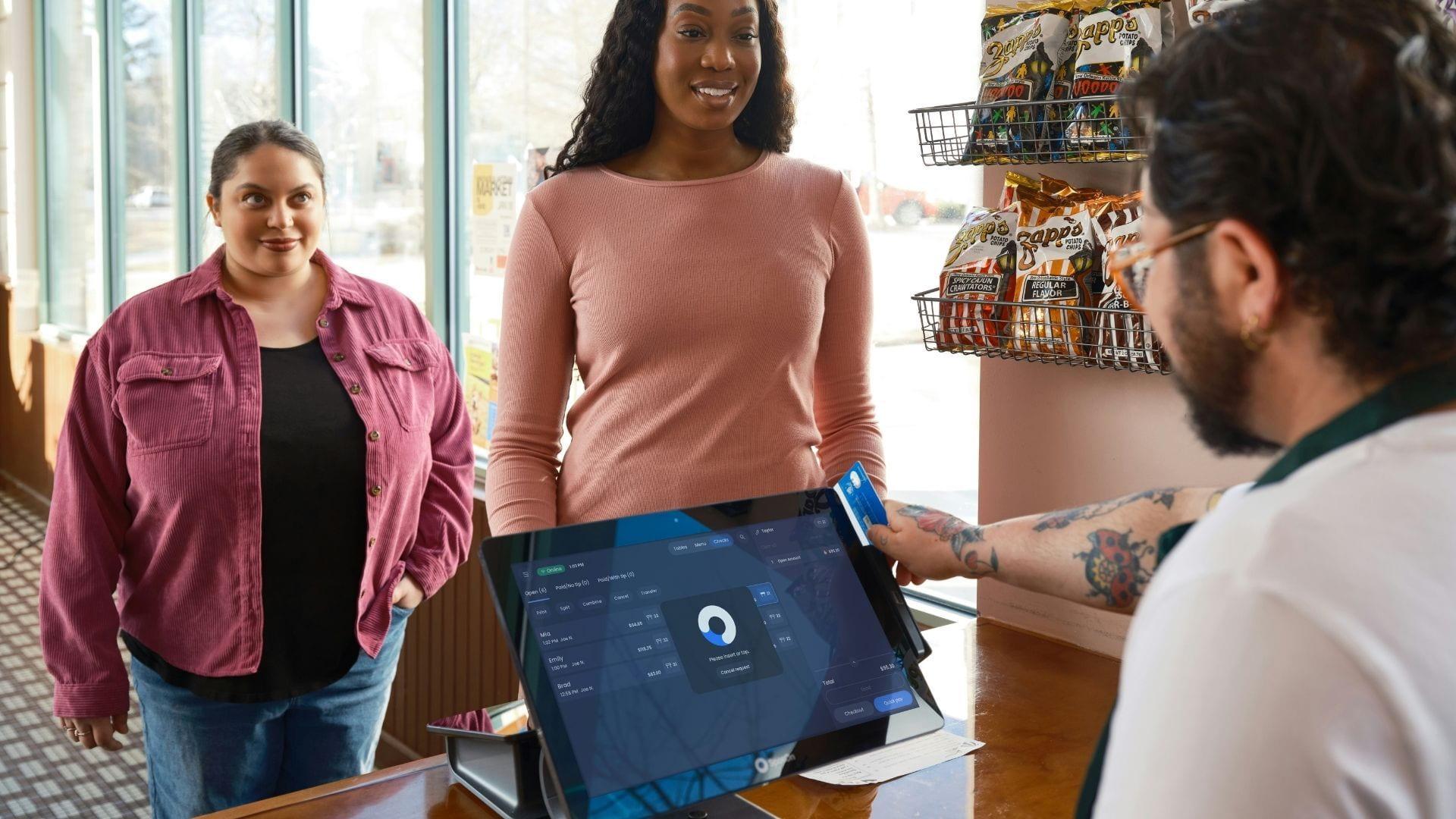
- The Stamp: The cashier scans the code using a tablet, POS system, or smartphone. Alternatively, some setups use small Bluetooth beacons on the counter that automatically detect the customer’s phone.
- The Reward: A digital "stamp" is instantly added to the card. When the customer accumulates enough stamps—say, eight stamps for a free haircut or ten for a free sandwich—the card automatically updates to show a reward voucher, ready to be redeemed on the next visit.
Why Businesses Are Making the Switch
Moving from paper to digital isn't just about saving money on printing costs, though that is a nice bonus. It fundamentally changes how a business interacts with its regulars.
1. Turning Anonymous Shoppers Into Data
Paper cards are completely anonymous. A business owner has no idea who holds the cards, how often they visit, or why they suddenly stopped coming. Digital stamp cards change this by providing clear analytics. Merchants can track purchase history, identify their top 10% of customers, and spot trends in foot traffic.
2. A Direct Line of Communication
When a customer downloads a digital stamp card to their Apple or Google Wallet, the business gains the ability to send lock-screen push notifications. If Tuesdays are notoriously slow, a business can send a blast notification offering "Double Stamp Tuesday" to drive immediate traffic.
3. Eliminating Fraud
Paper cards are vulnerable to lost hole-punchers, staff mistakes, or intentional counterfeiting. Digital loyalty platforms secure the entire ecosystem, ensuring that every single stamp awarded corresponds to a real, verified transaction.
Why Customers Prefer Going Digital
Consumers are fiercely protective of their attention and their pocket space. Digital cards win out because they align perfectly with modern consumer habits.
- Decluttered Wallets: Nobody wants to carry a bulky wallet stuffed with twenty different pieces of cardboard. Moving these rewards to a phone keeps things clean.
- Location Awareness: Many digital wallet cards use geofencing technology. This means when a customer walks within a block of your store, a small notification pops up on their lock screen reminding them that they have an active stamp card.
- The Progress Principle: Visually watching a digital progress bar or ring fill up creates a psychological drive to complete the set. Customers are significantly more likely to return to a store if they can easily see they are only two stamps away from a reward.
Choosing the Right Approach
Not all digital stamp cards are built the same way. Businesses generally choose between three main formats depending on their budget and goals:
- Mobile Wallet Cards: These leverage the built-in Apple Wallet and Google Wallet applications already installed on billions of phones. They require zero app downloads from the customer, making them the highest-converting option for small to mid-sized businesses.
- Proprietary Apps: Larger brands, like Starbucks or Chipotle, build stamp cards directly into their own custom mobile apps. This allows for deep integration with online ordering but requires a significant upfront financial investment.
- Web or SMS-Based Trackers: Customers type their phone number into a counter tablet at checkout. While simple, it lacks the visual satisfaction of seeing a card update directly in a digital wallet.
The Bottom Line
The digital stamp card takes a marketing strategy that has worked for generations—rewarding people for coming back—and removes all the logistical friction. It bridges the gap between old-school community charm and modern technology.
Whether you run a quiet neighborhood bakery, a busy salon, or a multi-location car wash, transitioning to digital rewards keeps your brand exactly where your customers look the most: right on their phone screens.