
The Strategic Guide to Product Sampling Campaigns: Turning Trials Into Customers
In a market saturated with digital ads, capturing a consumer’s undivided attention is increasingly difficult. Brands spend millions crafting the perfect copy, optimizing video hooks, and targeting specific demographics online. Yet, a fundamental truth of human psychology remains: nothing builds trust quite like firsthand experience.
This is the exact problem a sampling campaign solves. By placing a physical product directly into the hands of a potential customer, businesses bypass the skepticism of traditional advertising and let the product speak for itself.
Here is a comprehensive breakdown of what sampling campaigns are, how they function, and why they remain one of the most effective experiential marketing strategies available.
Defining the Sampling Campaign
At its core, a sampling campaign is a targeted marketing initiative where a company distributes free, scaled-down, or full-sized versions of its product to a select audience. The objective extends far beyond simply giving away free items. The ultimate goals are to eliminate the financial risk of trial for the consumer, trigger immediate feedback, and accelerate the journey from initial awareness to an actual purchase.
While traditionally associated with consumer packaged goods (CPG) like snacks, beverages, and cosmetics, sampling has evolved. Today, it spans multiple industries, including pet care, household cleaning supplies, and even digital services offering free trial periods.
How Modern Sampling Campaigns Work
The days of randomly handing out energy drinks on a street corner without a plan are largely over. Modern sampling is data-driven, highly segmented, and categorized into several distinct methodologies:
1. Experiential In-Person Sampling
This strategy takes place at high-foot-traffic locations, trade shows, music festivals, or sporting events. Teams set up interactive booths where consumers can taste, smell, or test a product in real time. The benefit here is immediate emotional connection and sensory engagement.
2. Retail and Point-of-Purchase (POP) Sampling
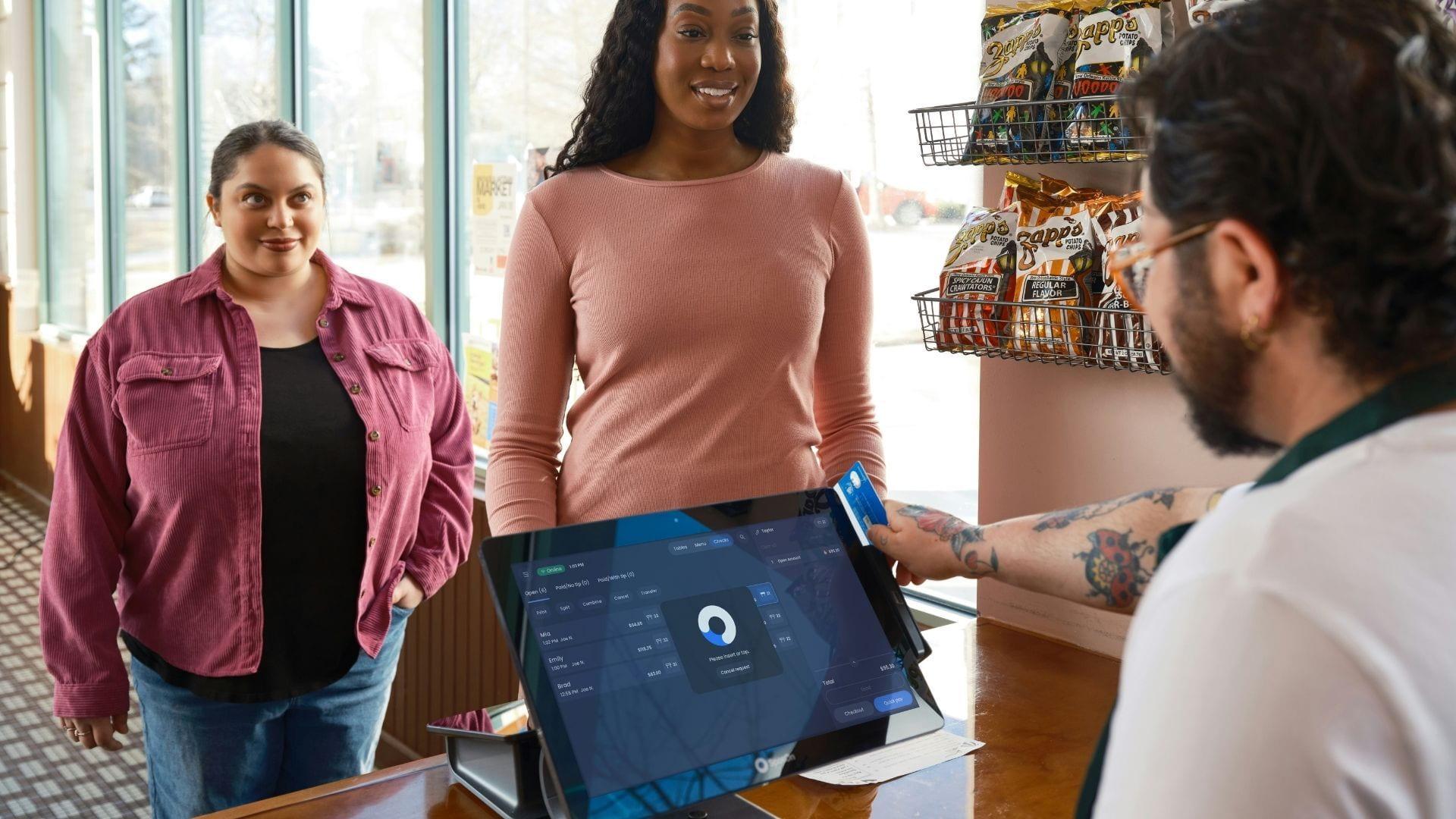
Commonly seen in grocery stores or wholesale clubs, this method targets shoppers who are already in a buying mindset. Giving a shopper a bite of a new cheese or a sip of a new beverage just feet away from the actual grocery shelf significantly reduces the friction required to get that item into their shopping cart.
3. Digital and Targeted Digital Sampling
Brands now leverage online data to ship samples directly to consumers' homes. A customer might fill out a profile detailing their skin type, dietary preferences, or pet's age, and the brand sends a tailored sample box. This ensures the product lands exclusively in the hands of high-intent prospects.
4. E-Commerce Integration (Surprise and Delight)
When a consumer purchases an item online, companies will often slide a complementary sample into the shipping box. For instance, a luxury clothing retailer might include a small vial of premium perfume with an order.
The Psychology: Why Sampling Drives Conversions
Sampling relies on powerful behavioral triggers that influence how people make purchasing decisions.
- The Principle of Reciprocity: When someone receives a gift, they naturally feel a psychological urge to give something back. In marketing, this often translates to purchasing the full product, leaving a positive review, or recommending the brand to a friend.
- Risk Elimination: The primary barrier to trying a new brand is the fear of wasting money on something unsatisfactory. A sample removes this barrier completely. Once a consumer knows they enjoy the flavor, texture, or performance, the hesitation disappears.
- Habit Disruption: Most shoppers buy the exact same brands out of habit during every retail trip. A successful sample forces a pause in that routine, proving that an alternative option might actually be superior to their current choice.
Key Steps to Launching a Successful Campaign
To generate a meaningful return on investment, a sampling campaign requires meticulous planning and execution.
- Define Clear Objectives: Are you launching a completely new product, entering a new geographic market, or trying to boost sales for an underperforming item? Your goal dictates your scale and budget.
- Identify the Ideal Demographic: Distributing premium beard oil to a general crowd is inefficient. Refine your target audience to ensure your inventory goes to individuals who match your ideal customer profile.
- Create a Feedback Loop: Do not let the interaction end when the sample is handed over. Include a QR code on the packaging linking to a quick survey, a discount coupon for their first retail purchase, or a prompt to share their thoughts on social media.
Measuring the Success of Your Campaign
A common misconception is that sampling success is impossible to calculate. By utilizing tracking mechanisms, brands can accurately measure performance through specific metrics:
| Metric | How It Is Tracked | What It Tells You |
| Conversion Rate | Unique coupon code redemptions | The percentage of samplers who became paying customers. |
| Cost Per Acquisition (CPA) | Total campaign cost divided by total new customers | The true financial efficiency of the distribution. |
| Social Sentiment & Reviews | Tracked hashtags and online review platforms | The qualitative public response to the product's quality. |
Final Thoughts
A sampling campaign bridges the gap between seeing a product on a screen and understanding its true value. By appealing to the senses and removing the financial risk of trial, businesses can efficiently turn casual browsers into loyal brand advocates. When executed with clear targeting and structured follow-up, it remains one of the most direct avenues to drive retail velocity and long-term customer acquisition.