
A Quick Response code, commonly known as a QR code, is a two dimensional matrix barcode designed to store and transmit data efficiently. Unlike traditional linear barcodes that store data in a horizontal format, QR codes utilize both vertical and horizontal dimensions. This architecture allows them to hold significantly more information, including URLs, contact details, encrypted payment identifiers, and alphanumeric text. Originally developed in 1994 for the automotive industry to track parts during manufacturing, the technology has since become a global standard for bridge-building between physical environments and digital platforms.
How Do QR Codes Work?
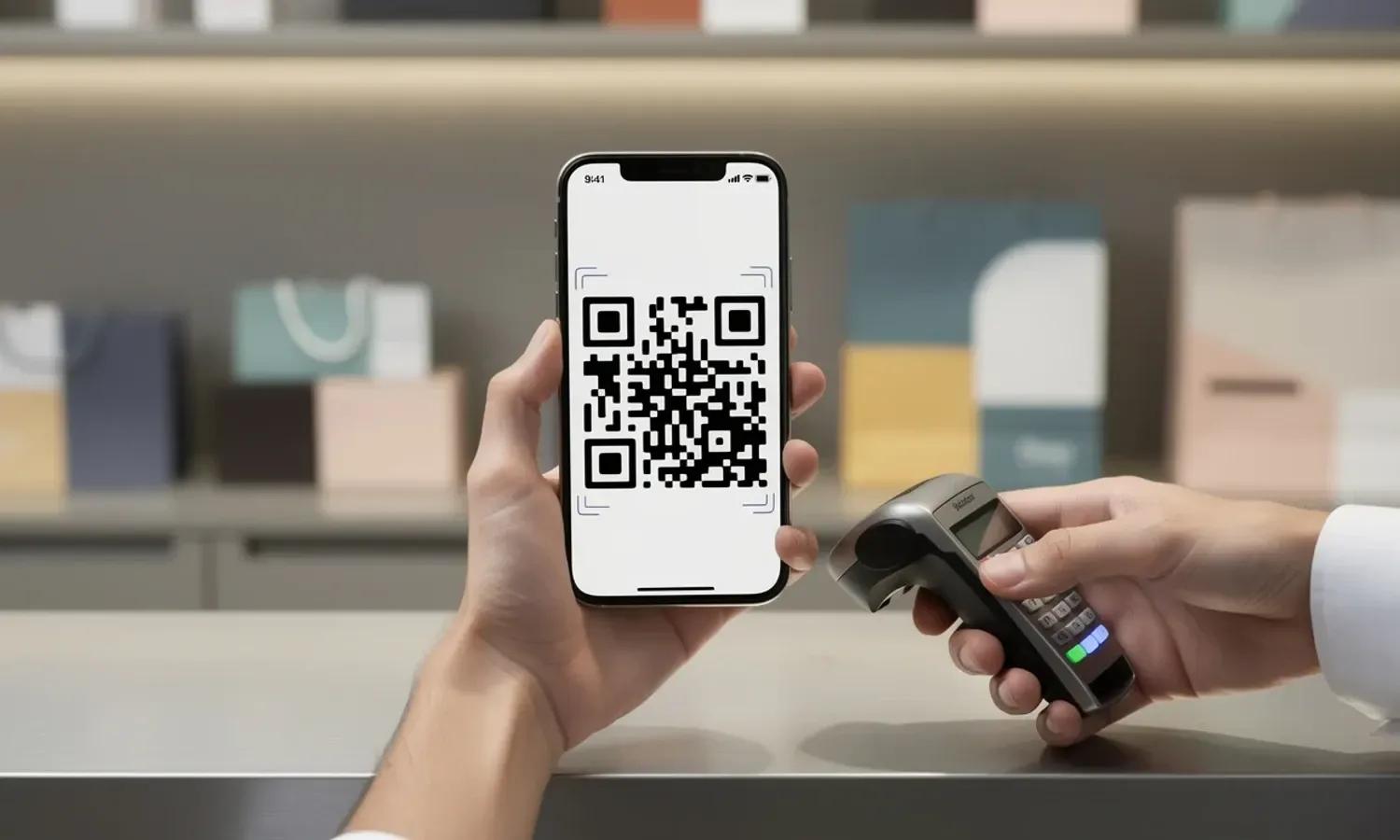
QR codes function through a specific geometric arrangement of black squares on a white background. When a digital sensor, such as a smartphone camera, scans the code, it interprets the patterns based on three large square "finder patterns" located at the corners. These patterns help the device determine the orientation, size, and angle of the code.
The internal structure consists of several functional components, including the version information, format information, and the data payload itself. A critical technical feature is the Reed Solomon error correction algorithm. This allows the code to remain functional even if up to 30% of the image is damaged or obscured, ensuring high reliability in various physical environments.
Types of QR Codes
There are two primary categories of QR codes, each serving distinct technical and operational purposes:
- Static QR Codes: The information is encoded directly into the pattern and cannot be changed once the code is generated. These are ideal for permanent information such as Wi-Fi passwords or plain text.
- Dynamic QR Codes: These codes point to a short redirection URL. The destination content can be updated at any time without changing the physical code itself. They also allow for advanced tracking, such as the number of scans, location data, and device types.
How to Create a QR Code
The creation process typically involves a QR code generator or an integrated API within a marketing platform. First, the user selects the type of data to be encoded, such as a website link or a PDF file. Next, the generator converts this data into a binary format and maps it onto the square grid. For professional use, organizations often customize the design by adding brand colors or a logo in the center, ensuring that the design does not interfere with the finder patterns or error correction zones. Finally, the code is downloaded in high resolution formats like SVG or PNG for print or digital distribution.
Use Cases for QR Codes in Marketing
In the modern marketing ecosystem, QR codes serve as a frictionless entry point for customer engagement. They are frequently used on product packaging to provide detailed nutritional information or assembly instructions. In retail environments, they facilitate "scan to shop" experiences where customers can order out of stock items directly from their phones. Furthermore, marketers utilize them in physical advertisements, such as billboards and flyers, to attribute offline conversions to digital campaigns with high precision.
QR Codes and Loyalty Programs
QR codes are instrumental in the execution of modern loyalty and rewards programs. By scanning a personalized QR code at the point of sale, customers can instantly identify themselves, allowing the system to log transaction data and award points in real time. This eliminates the need for physical plastic cards and speeds up the checkout process. Additionally, QR codes can be used to distribute exclusive digital coupons or to unlock "hidden" rewards within a mobile app, fostering a sense of gamification and enhancing the overall customer lifetime value.
Benefits and Limitations of QR Codes
The primary benefit of QR codes is their ability to provide instant access to information without manual data entry. They are cost effective to implement and highly versatile across various media. However, they are not without limitations. Their effectiveness is dependent on the user having a functional camera and internet connectivity. Furthermore, security risks such as "quishing" (QR phishing) have emerged, where malicious actors replace legitimate codes with fraudulent ones to steal sensitive data. Consequently, businesses must ensure that their QR code deployments are clearly branded and placed in secure, trusted environments.