
What Is Variable Reward? The Psychology Behind Loyalty Engagement
The reason you can't stop checking your phone, scrolling through social media, or pulling the lever on a slot machine comes down to two words: variable rewards. It is one of the most powerful psychological tools for driving user engagement, habit formation, and long-term loyalty.
When businesses understand how this mechanism operates in the human brain, they can transition their customer engagement from forced marketing to natural, self-sustaining habits.
The Dopamine Engine: Fixed vs. Variable Rewards
To understand variable rewards, it helps to first look at the opposite: fixed rewards.
Imagine a vending machine. You insert money, press a button, and a snack drops down. The reward is completely predictable. Because the outcome is guaranteed, the experience triggers a minor, flat release of dopamine (the brain chemical associated with pleasure and motivation). Over time, this predictability leads to habituation. The excitement wears off, and you only interact with the machine when you have a specific, immediate need.
Now, imagine a slot machine. You insert money, pull the lever, and most of the time, nothing happens. But occasionally, you win a small payout, and very rarely, you hit a jackpot. This is a variable reward.
The human brain is an advanced pattern-recognition machine. When an outcome is uncertain, the brain goes into overdrive trying to predict what will happen next. Psychologists have found that dopamine spikes much higher during the anticipation of an unpredictable reward than during the receipt of a guaranteed one. The thrill lives in the unknown.
The Science: B.F. Skinner and the Pigeons
This concept is rooted in the mid-twentieth century work of psychologist B.F. Skinner. He placed hungry pigeons inside test boxes equipped with a small lever.
In the first experiment, every time the pigeon pressed the lever, a food pellet dropped out. The pigeons pressed the lever only when they were hungry and stopped once they were full.
In the second experiment, Skinner altered the mechanism. Pressing the lever only dropped food sometimes, at random intervals. The result was dramatic: the pigeons became obsessed. They pressed the lever continuously, even when they were completely full. The randomness created a compulsive behavioral loop.
In modern business and product design, this same psychological principle is used to build loyalty and engagement.
The Three Types of Variable Rewards
In his framework for building habit-forming products, author Nir Eyal categorizes variable rewards into three distinct human desires:
1. Rewards of the Tribe
Humans are deeply social creatures driven by a need for connection, acceptance, and validation. Rewards of the tribe satisfy this social hunger.
- How it looks: Think about scrolling through a social media feed. You pull down to refresh, unsure if your latest post has gained five likes, fifty likes, or none at all. The variable social validation keeps you coming back to check.
2. Rewards of the Hunt
This satisfies our primal drive to acquire resources, information, or material goods. In the past, it meant hunting for food; today, it means hunting for deals, content, or property.
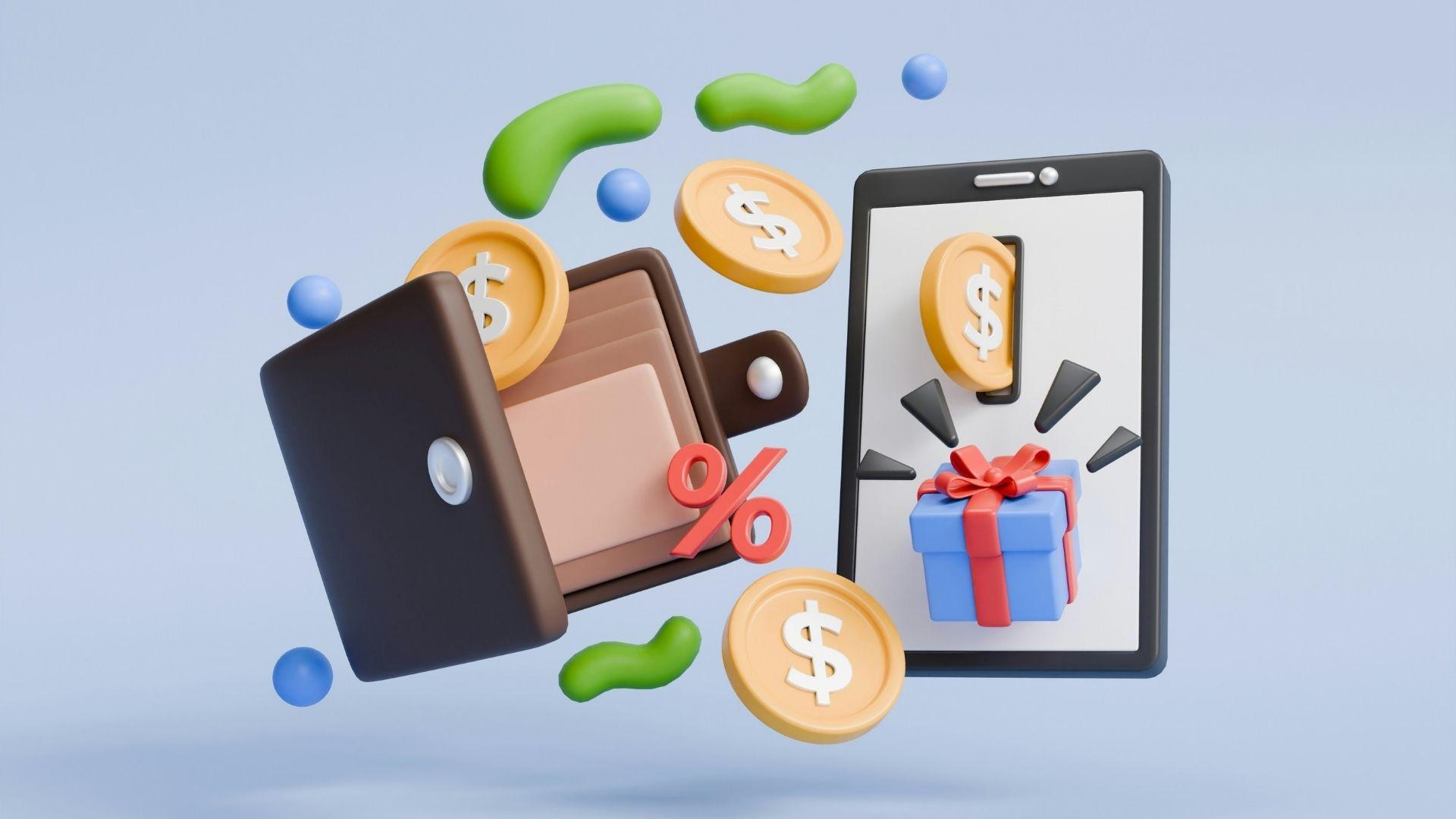
- How it looks: E-commerce apps utilize this via flash sales or "mystery coupons" where users click to reveal a discount percentage ranging from 10% to 50%. The act of digging through a feed to find a great deal mimics the thrill of the hunt.
3. Rewards of the Self
This targets the internal desire for personal mastery, competence, and completion. We are naturally driven to overcome obstacles, gain skills, and check items off a list.
- How it looks: Fitness apps use this by surprising users with digital badges or unlocking new avatars when they hit random milestones. The reward is the internal satisfaction of making progress.
Applying Variable Rewards to Loyalty Engagement
Traditional loyalty programs often rely too heavily on predictable, fixed structures: Spend 100 dollars, get a 10 dollar coupon. While functional, this model lacks excitement. To truly drive deep customer engagement, brands are incorporating variability into their loyalty strategies.
Mystery Tier Rewards
Instead of revealing exactly what a customer gets when they reach a new loyalty tier, keep the milestone reward hidden. Knowing that a milestone unlocks a mystery gift box creates anticipation and encourages users to hit that next spending threshold faster.
Gamified App Interactions
Incorporate daily scratch-offs, spin-the-wheel games, or random point multipliers within your brand’s digital app. A customer might log in and receive a standard 5 points, or they might surprise themselves by winning 500 points. The chance of a high payout turns a routine check-in into an entertaining event.
Personalized Surprises
Send unexpected rewards that are unrelated to a specific holiday or calendar event. A surprise email containing a free item or exclusive access "just because" delights customers far more than a standard, expected birthday discount.
The Ethics of Engagement
Because variable rewards are so effective at capturing human attention, businesses must use them responsibly. The goal should always be to deliver genuine value and delight to the customer, rather than creating manipulative or addictive traps that leave users feeling drained.
When applied transparently and generously, variable rewards turn ordinary commercial transactions into memorable, engaging experiences. By replacing predictability with surprise, you can build a customer base that actively looks forward to interacting with your brand.