
12 Genuinely Creative Loyalty Programmes Worth Studying in 2026
The modern consumer is protective of their personal data and highly sensitive to generic marketing. Traditional "spend a dollar, get a point" frameworks are no longer enough to secure true brand devotion. Shoppers expect personalization, shared values, and memorable interactions.
Many brands try to stand out by launching complex, high-concept initiatives, but creativity for the sake of novelty often fails. To succeed in 2026, retention strategies must balance inventive engagement with absolute utility.
Here is a deep look at twelve creative loyalty models that redefine how brands interact with their audiences.
Why 'Cool' Loyalty Ideas Still Need Strong Fundamentals
Flashy rewards or experimental mechanics will not save a program if the baseline customer experience is clumsy. When a company builds an initiative around gamification, lifestyle integration, or social causes, it must still respect the rules of commercial utility. The program must be simple to join, clear in its value, and easy to use.
Recent data shows that over seventy percent of younger shoppers are eager to join rewards initiatives, but their patience for friction is at an all-time low. If an app takes too long to load at a register, or if the rules for earning a reward require a manual to understand, customers simply abandon the effort.
The most innovative programs succeed because they treat creativity as an enhancement rather than a replacement for foundational mechanics. A creative perk should be the hook that builds an emotional connection, while a reliable, predictable earning structure serves as the anchor. Before a brand can surprise and delight its audience, it must first ensure it can reliably deliver basic value.
Experiential & Status-Driven Programmes
1. Sephora Beauty Insider
Sephora has long set the benchmark for experiential rewards by shifting the focus away from pure financial discounts toward curated beauty experiences. While members do accumulate points on their purchases, the true value lies in how those points are spent. Members can exchange their balances for trial-sized product assortments, exclusive brand collaborations, and professional in-store beauty sessions. By offering experiences like full-face makeovers and advanced masterclasses, Sephora converts routine shopping into a deeply interactive hobby. The brand also uses distinct tiers to foster a sense of community, encouraging members to share tips and product reviews on internal forums.
2. LuisaViaRoma LVR Privilege
For luxury fashion consumers, standard discount codes can actually diminish a brand’s premium appeal. LuisaViaRoma addresses this through its elite tiering framework, which prioritizes access over savings. High-tier members gain entry into a private shopping club, receive personal styling assistance, and get early access to limited-edition designer collections. The absolute peak of the program includes direct invitations to exclusive fashion shows and private brand gala events. This strategy taps into the desire for social capital and recognition, ensuring that the highest-spending customers feel valued through proximity to the brand’s cultural core.
3. Equinox Circle
Equinox treats fitness as a comprehensive lifestyle rather than a gym membership. Its initiative expands the brand’s footprint far beyond the physical club walls by partnering with luxury travel, wellness, and nutrition brands. Members gain access to private health assessments, exclusive wellness retreats, and curated luxury items that align with a high-performance lifestyle. By integrating these outside partnerships into its core ecosystem, Equinox ensures that its brand remains relevant to the consumer's daily routine, turning a standard gym subscription into an indispensable lifestyle asset.
Gamified & Community-Led Programmes
4. Nike Membership
Nike uses its ecosystem of digital applications to turn physical activity into a communal sport. Through integrations with training tools, the brand tracks user workouts and celebrates personal milestones with digital badges and achievements. These athletic accomplishments frequently unlock tangible rewards, such as early access to high-demand footwear or entry into local member-only running events. By rewarding the effort a customer puts into their fitness journey, Nike builds a profound emotional tie that makes competing sports brands look purely transactional.
5. Duolingo Streak Society
Duolingo demonstrates that a powerful loyalty ecosystem does not require financial rewards to maintain high retention rates. The Streak Society focuses entirely on behavioral psychology by tracking consecutive days of learning. When a user reaches major milestones, they receive unique app icons, visual profile designations, and entry into private digital spaces. The fear of losing a hard-earned streak creates a regular user habit. This approach proves that when a product aligns with a user’s self-improvement goals, social validation and psychological rewards can be more effective than financial discounts.
6. Starbucks Rewards
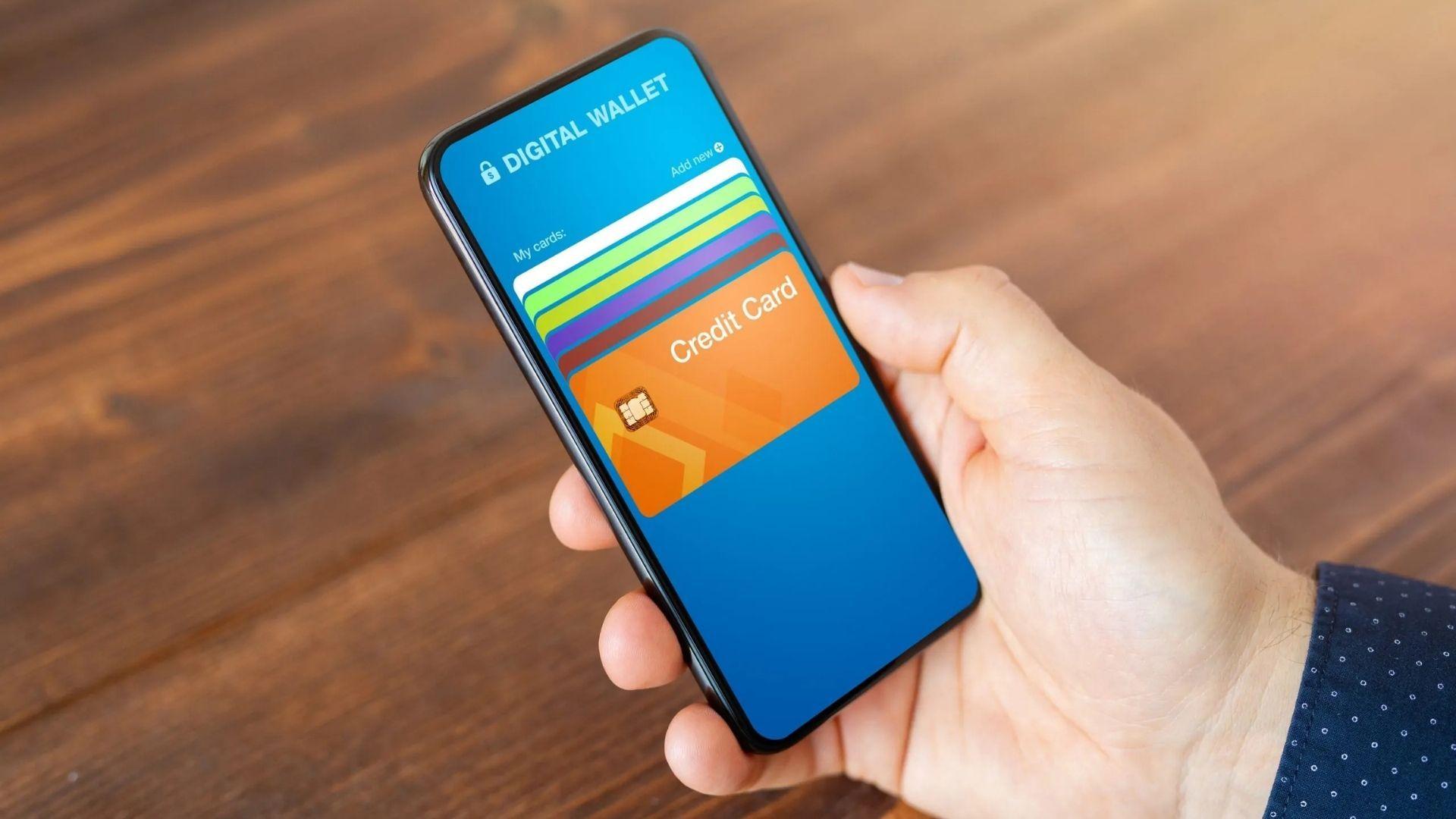
Starbucks maintains one of the most commercially impactful gamified apps in retail history. The system relies heavily on personalized challenges, such as tracking specific ordering streaks within a set timeframe to unlock substantial point bundles. The brilliance of this model is its integration with a digital wallet layout. Users preload funds onto their digital cards to maximize their point accumulation. This system keeps massive financial balances stored directly within the Starbucks system, while the gamified notifications constantly nudge customers to make just one more visit to complete their current challenge.
Sustainability-Linked Loyalty Programmes
7. Costa Coffee Club
Costa Coffee successfully aligns commercial growth with environmental responsibility through its point structure. Customers earn traditional tokens on standard purchases, but the brand cuts the path to a free beverage exactly in half for those who bring a reusable cup to the counter. This direct financial benefit rewards eco-conscious behavior on the spot. By making sustainable choices the fastest route to a free product, Costa turns environmental awareness into a shared daily routine that benefits both the planet and the shopper's wallet.
8. Lucy & Yak ReYak
Fashion brand Lucy & Yak addresses the growing consumer demand for circular retail economies through its dedicated trade-in initiative. Customers can return their pre-loved apparel directly to the brand in exchange for vouchers that can be spent on new or upcycled collections. The returned garments are then repaired, resold, or recycled through official channels. This strategy turns the end of a product's lifecycle into the beginning of a new transaction, building a reliable loop of customer returns while reinforcing the brand's ethical commitments.
9. Patagonia Worn Wear
Patagonia has spent years building an entire business segment around garment longevity. Its initiative encourages customers to trade in functioning outdoor gear in exchange for retail credits. The brand cleans, repairs, and lists these items on a dedicated secondhand platform. By actively discouraging wasteful consumption and giving shoppers a financial reason to keep gear in active use, Patagonia builds immense respect among its environmentally conscious audience, ensuring long-term brand dedication without relying on seasonal sales.
Programmes That Reward Beyond Purchase
10. LEGO Insiders
LEGO redefines engagement by rewarding customers for the physical products they already own, regardless of where those items were purchased. By scanning the unique QR codes printed on physical instruction manuals, members instantly add points to their digital accounts. The initiative also rewards users for participating in community design challenges and voting on fan-created product concepts. This structure acknowledges that the value of a fan extends far past the cash register, transforming product ownership into an ongoing interactive experience.
11. Vitality Health
Vitality turns the traditional insurance dynamic on its head by rewarding policyholders for healthy lifestyle choices. By syncing data from wearable fitness devices, members earn daily points for hitting step goals, logging workouts, or completing medical screenings. These points can be redeemed for cinema tickets, coffee vouchers, or direct reductions on insurance premiums. By aligning its corporate goals with the physical health of its members, Vitality reduces insurance claims while keeping users highly engaged with its mobile platform every single day.
12. Dick's Sporting Goods ScoreCard
Dick's Sporting Goods bridges the gap between retail sales and daily activity by connecting its rewards ecosystem directly with popular fitness trackers. Members earn loyalty points simply by meeting routine health goals, such as walking a target number of steps or tracking an active workout. This strategy keeps the retailer top-of-mind during a consumer's active hours, ensuring that when the time comes to buy new athletic apparel or gear, the customer naturally returns to the brand that actively rewards their physical lifestyle.
What These Examples Have in Common
When studying these twelve highly creative strategies, several clear operational commonalities emerge that separate them from outdated, purely transactional models.
First, they lean heavily into authentic reciprocity. Traditional frameworks focus almost exclusively on what the customer can do for the business. The strategies outlined above reverse this dynamic by focusing on what the brand can contribute to the user's daily life, identity, or values. Whether through supporting environmental causes, celebrating health milestones, or offering genuine insider access, these brands build an emotional connection that goes far deeper than a simple financial transaction.
Second, the technology behind these programs is practically invisible. The digital interfaces, wallet integrations, and data tracking work together smoothly behind the scenes. Customers do not need to navigate confusing rules or deal with point calculations at the checkout counter. The rewards are updated automatically, notifications arrive at the exact moment they are most relevant, and redemptions require minimal effort.
Finally, these programs view the customer relation as a holistic journey rather than a series of isolated sales. They realize that community advocacy, product care, and healthy lifestyle choices are just as valuable as a direct credit card swipe. By expanding the definition of what can be rewarded, these brands embed themselves into the daily habits of their consumers, securing long-term retention that holds steady even in highly competitive markets.