
Digital Loyalty Cards: How to Move from Physical to Digital & Improve Member Engagement
What is a Digital Loyalty Card?
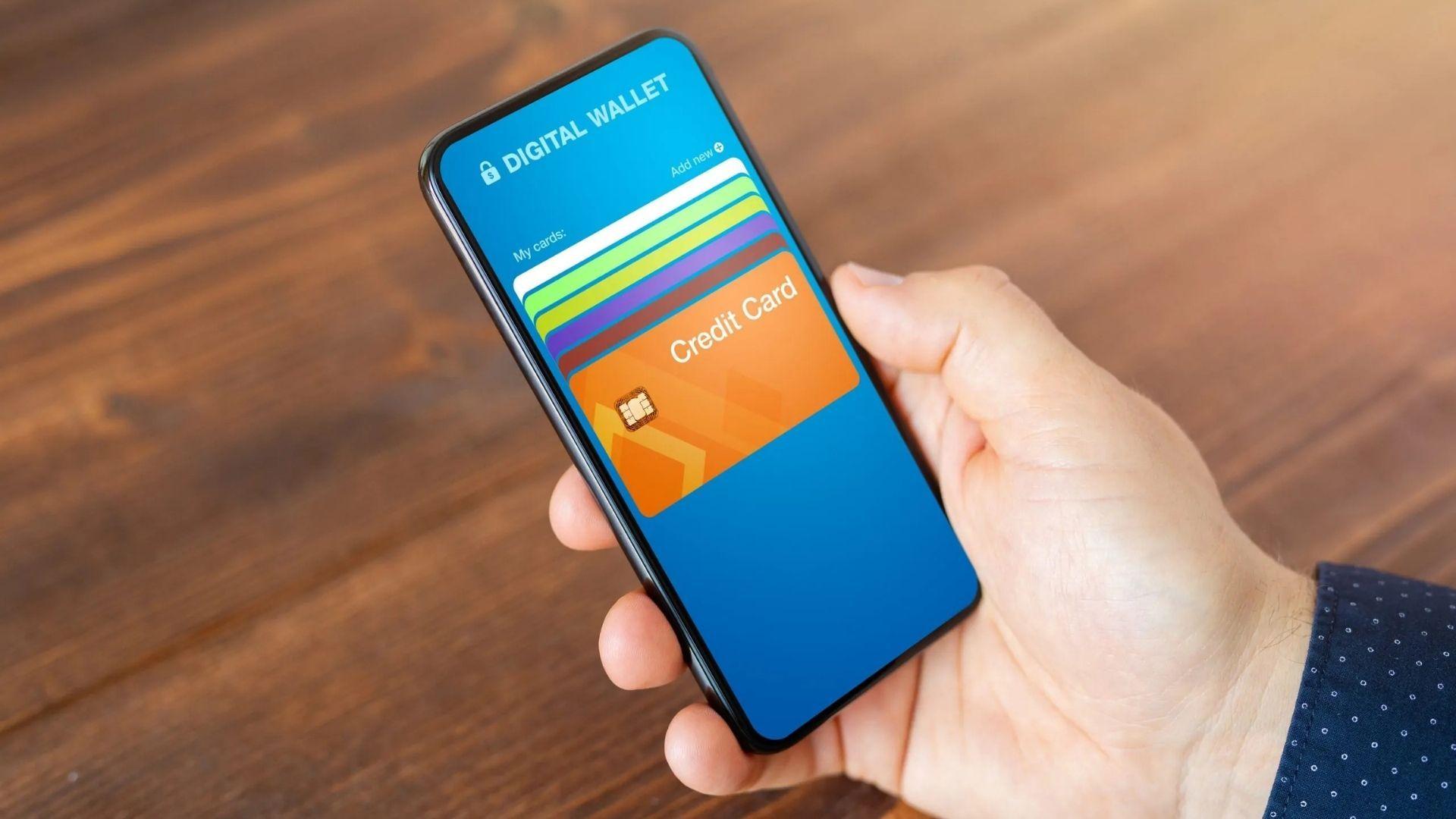
A digital loyalty card is a member-facing credential stored on a customer's smartphone, typically within Apple Wallet or Google Wallet, that replicates and significantly extends the function of a physical membership card. It carries the member's identifier, current points or stamp balance, tier status, and any active offers, and it updates in real time as the customer earns or redeems.
Unlike a loyalty app, a digital wallet pass requires no download. The customer taps a QR code or clicks a link, and the card lands directly in their existing wallet application. From that point, the brand has a persistent presence on the customer's lock screen: a direct channel for push notifications, geofenced reminders, and live balance updates, without competing for space in a crowded app store.
By 2024 there were an estimated 4.3 billion digital wallet users worldwide, a figure projected to reach 5.8 billion by 2029. For loyalty professionals, that reach represents the single most significant shift in programme infrastructure since the move from paper stamps to plastic cards.
Digital vs. Physical Loyalty Cards: Pros & Cons
Physical cards carry genuine advantages: they require no technical literacy, suit older customer demographics, and carry a tactile quality that some segments respond to positively. But the structural disadvantages accumulate quickly at scale.
| Criterion | Physical Card | Digital Card |
|---|---|---|
| Convenience | Carried separately; easily forgotten | Always in the customer's phone |
| Data capture | None without manual logging | Rich behavioural data at every event |
| Update speed | Requires card reprint | Instant, over the air |
| Fraud risk | Stamps can be forged | Unique encrypted pass per member |
| Engagement channel | Point of sale only | Lock screen, email, geofence |
| Ongoing cost | Printing and distribution | Platform licence; no print costs |
| Redemption rate | Low (card often absent) | Jumps 30-40% vs physical |
The redemption rate figure is worth pausing on. Redemption rates jump 30-40% when programmes move to digital, not because the reward changed, but because the card is present when the customer needs it. A physical card left at home is a lost redemption. A digital card on the lock screen is a prompted one.
How Digital Loyalty Cards Work
The technical flow is straightforward. A brand's loyalty platform generates a unique, encrypted pass for each member. The member receives that pass via email, SMS, a web link, or a QR code on a receipt, and adds it to their wallet with a single tap. The pass is then live: it displays the member's current balance and tier, updates automatically when points are earned or rewards are redeemed, and can receive push notifications pushed by the brand at any time.
Under the hood, Apple Wallet passes use the PassKit framework and a .pkpass file format; Google Wallet uses a JWT-based object model. Most loyalty platforms abstract both into a single configuration, generating wallet-ready passes for iOS and Android from one setup. The brand does not need to build or maintain this infrastructure independently.
Point of sale integration closes the loop. When a customer taps their phone at checkout, the POS reads the pass barcode or QR code, records the transaction against the member account, and the platform updates the pass balance within seconds. The customer sees confirmation on their lock screen without opening an app or logging into a portal.
Key Features of a Digital Loyalty Card
The value of a digital card extends well beyond replacing plastic. The features below represent the capabilities that make digital loyalty fundamentally different in commercial terms, not just operationally convenient.
Push Notifications
Lock-screen notifications sent through Apple Wallet and Google Wallet carry a read rate of approximately 99%, according to Square's 2025 Loyalty Report. That compares with around 20% for email and roughly 4% tap-through for conventional app push notifications. The difference is structural: wallet notifications appear on the lock screen alongside messages from family and colleagues, in a space where users habitually look, without requiring the customer to have an app installed or a login session active.
Effective use of push notifications centres on relevance and restraint. A notification timed to a points milestone, a reward about to expire, or a bonus offer aligned with the member's purchase history earns attention. Notifications sent at arbitrary intervals train members to dismiss them.
Personalised Offers
Because each digital card is tied to a unique member account, every pass update can carry personalised content. A customer who typically purchases on weekday mornings can receive a midweek bonus offer. A member approaching a tier threshold can see their proximity clearly displayed on the card itself, with a targeted incentive to close the gap. Brands using AI-powered personalisation in loyalty programmes report redemption rate improvements of up to 35% compared to generic segmentation approaches.
Personalisation at the card level also reduces the cost of reward liability. Generic blanket offers are redeemed by customers who would have purchased anyway. Targeted offers can be structured to change behaviour, reaching lapsed members with reactivation incentives or directing high-frequency shoppers toward higher-margin product categories.
Geolocation Triggers
Both Apple Wallet and Google Wallet support geofenced pass notifications. When a member with a saved loyalty pass enters a defined radius around a store location, typically around 100 metres, their phone surfaces the pass on the lock screen automatically. Google Wallet's October 2025 update extended geofence notifications to all standard pass types, with support for up to ten merchant locations per programme.
The commercial case for geolocation triggers is straightforward. A customer who walks past a location holding a competitor's product in mind can be brought back into consideration with a timely, frictionless prompt. Businesses using geofenced loyalty notifications report foot traffic increases of 20-30% among active pass holders. The customer was already nearby; the trigger simply makes the brand visible at the moment the decision is being made.
Migrating Your Existing Members to a Digital Scheme
The migration from physical to digital is as much a communication project as a technical one. Members who have carried a physical card for years need a clear reason to switch and a frictionless path to do so. Programmes that treat migration as a system cutover rather than a member experience consistently see adoption rates that plateau well below potential.
A phased approach works reliably. In the first phase, offer digital enrolment as an additional option alongside physical, and incentivise the switch with a bonus points event or an exclusive digital-only offer. This captures the most engaged members early and generates peer referrals organically. In the second phase, use the behavioural data from digital members to identify which channels and messages drove conversion, then apply those learnings to a broader push toward the remaining physical card holders.
Communication clarity matters more than volume. Members need to understand three things: that their existing balance transfers exactly, that the digital card works everywhere the physical one did, and that the switch takes less than a minute. Addressing those three concerns proactively removes the primary objections that stall migration. Teaspressa, migrating to a digital programme on Rivo, completed the transition for active members within 24 hours using this model.
Choosing the Right Digital Loyalty Card Platform
Platform selection should be driven by three criteria: integration depth, wallet compatibility, and configuration flexibility. A platform that does not connect cleanly to your existing POS, CRM, and marketing automation creates manual reconciliation work that erodes the operational savings digital cards are supposed to deliver.
Evaluate the following capabilities specifically, rather than relying on vendor feature lists at face value:
- Native Apple Wallet and Google Wallet pass generation, with single-configuration deployment across both
- Real-time pass updates triggered by POS or CRM events, not scheduled batch processing
- Geofence configuration with support for multiple locations, manageable without developer involvement
- Push notification scheduling tied to member lifecycle events, not just broadcast messaging
- Analytics dashboard covering pass adoption rate, notification open rate, redemption frequency, and lapse indicators
- GDPR-compliant data handling with documented consent management and data residency options for UK and EU programmes
For mid-market loyalty programmes in the UK, platforms such as Kaizen Loyalty offer the combination of wallet integration, real-time update capability, and dedicated onboarding support that larger enterprise vendors provide at significantly higher price points.
Measuring Digital Loyalty Card Performance
The shift to digital makes previously invisible programme data measurable. The following metrics form the foundation of any performance framework for a digital card programme.
Pass Adoption Rate
The percentage of enrolled members who have added the digital card to their wallet. This is the primary early indicator of migration success and should be tracked separately from programme enrolment. A programme with 80% enrolment and 30% pass adoption has a significant engagement gap that needs diagnosing before other metrics become meaningful.
Active Member Rate
The share of pass holders who have earned or redeemed within the past 90 days. Industry benchmarks for well-run digital programmes sit between 55% and 70%, significantly above the 40-60% range typical of physical card schemes. If active member rate falls below 40%, the programme's reward structure, notification strategy, or offer relevance needs review.
Notification Engagement Rate
The proportion of push notifications that result in a visit, redemption, or identifiable purchase event within a defined attribution window, typically 48-72 hours. This metric distinguishes notifications that drive behaviour from those that are simply read and dismissed. Geolocation triggers and reward milestone notifications consistently outperform broadcast messages on this measure.
Redemption Rate Lift
Compare redemption rates among digital pass holders against the historical physical card baseline, and against any remaining physical card population. A 30-40% lift in redemption rate is a reasonable target for a well-implemented digital programme within the first six months.
Retention Differential
Digital pass holders who receive timely, personalised notifications retain at significantly higher rates than non-holders. Track 12-month retention separately for active pass holders, low-engagement pass holders, and non-digital members. The gap between these cohorts quantifies the retention value of the digital card and provides the clearest ROI argument for continued platform investment.