

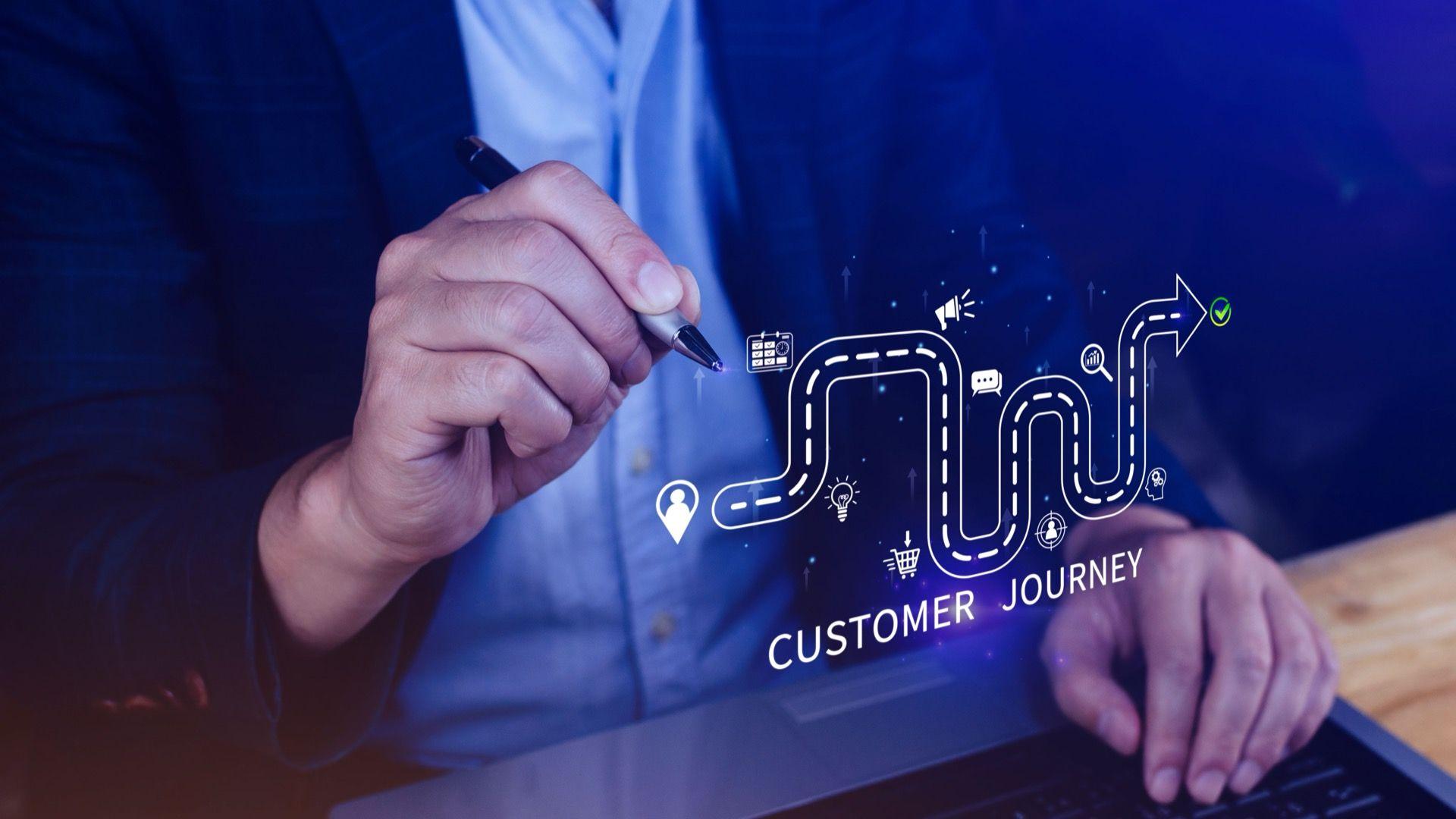
In loyalty marketing, the customer journey represents the complete set of interactions a customer has with a brand over time, from first awareness to long term engagement and advocacy. Unlike linear funnel models, the customer journey reflects a dynamic, evolving relationship shaped by behavior, emotion, and context.
Understanding the customer journey is essential for building effective loyalty strategies. Loyalty is not created at a single touchpoint. It emerges through consistent, meaningful experiences across multiple stages. Mapping this journey allows brands to identify moments that strengthen trust, encourage repeat behavior, or risk disengagement.
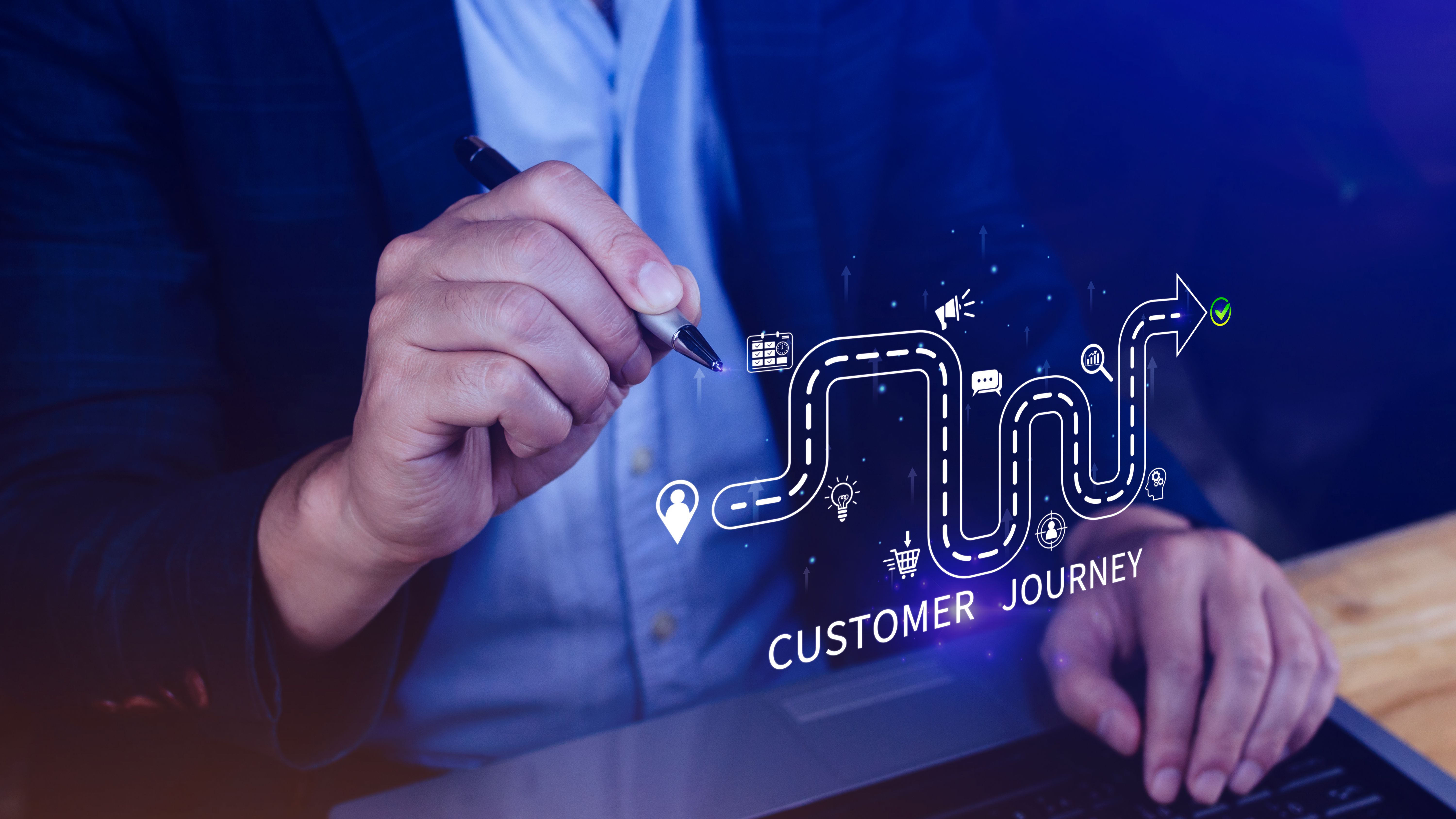
What Is a Customer Journey?
A customer journey is the path a customer follows as they interact with a brand across channels, touchpoints, and time. It includes both observable actions such as purchases and sign ups, and less visible factors such as emotions, expectations, and perceptions.
In a loyalty context, the customer journey extends far beyond the first conversion. It includes:
Awareness and first impression
Initial purchase or interaction
Onboarding and early engagement
Repeat behavior and habit formation
Loyalty program participation
Long term retention or churn
Each stage influences whether a customer becomes loyal or disengaged. Mapping the journey helps brands move from reactive tactics to intentional experience design.
What Is a Customer Journey Map?
A customer journey map is a visual representation of the stages, touchpoints, and emotions customers experience when interacting with a brand. It documents what customers do, think, and feel at each stage of the journey.
In loyalty marketing, journey maps focus on behavior over time rather than isolated transactions. They often include elements such as:
Customer goals at each stage
Key touchpoints and channels
Pain points and friction areas
Emotional highs and lows
Opportunities to reinforce loyalty
Journey maps are not static diagrams. They are strategic tools used to align teams, prioritize improvements, and design loyalty experiences that support retention.
Why Create a Customer Journey Map?
Creating a customer journey map provides clarity and alignment across the organization.
Reveals hidden friction
Many loyalty issues stem from small, repeated frustrations rather than major failures. Journey mapping surfaces these moments.
Aligns experiences with customer expectations
Journey maps highlight gaps between what brands intend and what customers actually experience.
Supports retention focused decision making
By visualizing long term engagement, brands can prioritize actions that reduce churn and increase lifetime value.
Breaks down silos
Customer journeys span marketing, product, support, and operations. Mapping creates a shared understanding across teams.
Improves personalization
Understanding the journey enables more relevant messaging, offers, and timing.
In loyalty driven organizations, journey mapping shifts focus from short term conversion to sustainable relationships.

How To Create a Customer Journey Map for Loyalty Programs
Creating a customer journey map requires both qualitative and quantitative insight. The process should be iterative and customer centric.
Define the Journey Scope
Start by defining which journey you are mapping. This may include the full lifecycle or a specific segment such as loyalty members or at risk customers.
Clarity at this stage prevents overly broad or unfocused maps.
Identify Customer Personas or Segments
Different customers experience different journeys. Loyalty maps often focus on behavioral segments such as first time buyers, high frequency customers, or inactive members.
Mapping one segment at a time ensures depth and relevance.
Outline Journey Stages
Define the stages a customer moves through. In loyalty marketing, common stages include:
Discovery
First interaction
Onboarding
Engagement
Loyalty participation
Retention or churn
Stages should reflect customer behavior rather than internal processes.
Map Touchpoints and Channels
List all touchpoints customers interact with at each stage, including:
Website and app interactions
Emails and notifications
Loyalty rewards and offers
Customer support interactions
Understanding channel overlap helps identify inconsistencies.
Capture Customer Emotions and Motivations
Journey mapping is not complete without emotional context. Document how customers feel at each stage, such as excitement, confusion, satisfaction, or frustration.
Emotional insight is critical for designing loyalty experiences that resonate.
Identify Pain Points and Opportunities
Highlight where customers struggle or disengage. These moments often represent the greatest opportunity for loyalty improvement.
For example, confusing reward rules or delayed recognition may undermine engagement.
Validate with Data and Feedback
Use analytics, surveys, and qualitative research to validate assumptions. Journey maps should reflect reality, not internal belief.
Translate Insights into Action
The final step is applying insights to improve experiences. This may involve redesigning onboarding, simplifying loyalty mechanics, or improving communication cadence.

Customer Journey Mapping in Loyalty Programs
Loyalty programs introduce additional complexity to the customer journey. Customers must understand how the program works, why it matters, and how to benefit from it.
Effective loyalty journey maps address questions such as:
When should customers be invited to join?
How quickly should value be demonstrated?
What keeps members engaged over time?
How are milestones and achievements recognized?
Mapping these moments ensures that loyalty is experienced as a progression rather than a static feature.
Common Mistakes in Customer Journey Mapping
Despite its value, journey mapping is often misapplied.
Common mistakes include:
Treating the journey as linear and static
Mapping internal processes instead of customer experiences
Ignoring emotional context
Failing to update maps as behavior changes
Not acting on insights
Journey maps must evolve with customer expectations and business strategy.
Get Started with the Customer Journey Map
Getting started does not require perfection. Even a simple journey map can reveal valuable insights.
Begin with one segment, one journey, and one goal. Use the map as a living document rather than a finished artifact.
As loyalty strategies mature, journey mapping becomes an ongoing discipline rather than a one time exercise.
Customer Journey as a Loyalty Growth Framework
In loyalty marketing, the customer journey provides the framework for long term growth. Every interaction either strengthens or weakens the relationship.
By mapping the journey intentionally, brands can design experiences that feel coherent, relevant, and rewarding over time. This consistency is what transforms customers into loyal advocates.
A well designed customer journey does not optimize individual touchpoints in isolation. It creates momentum across the entire lifecycle.
When loyalty strategies are grounded in a deep understanding of the customer journey, retention becomes a natural outcome rather than a constant challenge.