
Headless Loyalty Architecture: What It Means & When You Need It
The traditional approach to building customer experiences is changing. For years, all-in-one software suites dominated the enterprise landscape. These monolithic platforms bundled the database, the business logic, and the user interface into a single, tightly coupled package. While this design simplified deployment in the early days of e-commerce, it has become a bottleneck for modern brands aiming to deliver fast, omnichannel experiences.
As digital touchpoints expand from standard desktop websites to mobile apps, smart watches, IoT devices, and in-store point-of-sale (POS) systems, the limitations of legacy software have become obvious. This challenge has driven the rise of composable commerce, a design philosophy that breaks monolithic applications into modular, independently deployable services. At the center of this movement is headless architecture.
While headless content management systems (CMS) and headless commerce engines are now industry standards, the architecture is expanding into other critical parts of the technology stack. One of the most important areas adopting this model is customer retention: specifically, the loyalty platform.
What 'Headless' Means in a Loyalty Context
To understand headless loyalty, it helps to look at the anatomy of a traditional loyalty application. In a conventional, monolithic loyalty platform, the software consists of two main components that are permanently linked:
- The Backend (The Body): This layer handles the core business logic. It stores member data, calculates point balances, tracks tier statuses, manages reward catalogs, and enforces fraud prevention rules.
- The Frontend (The Head): This layer is the user interface (UI). It dictates how the loyalty program looks and feels to the customer, displaying the points balance on a profile page, rendering the rewards marketplace, or generating the layout of a mobile coupon.
In a traditional setup, the backend and frontend are built on the same codebase and run on the same infrastructure. If you want to change how a rewards widget looks on your website, you often have to modify backend code or work within the rigid templates provided by the vendor.
A headless loyalty architecture cuts the connection between these two layers. It removes the frontend ("the head") entirely, leaving only the backend engine ("the body").
Without a native presentation layer, a headless loyalty platform operates purely as an engine for business logic and data storage. It processes transactions, manages customer tiers, and evaluates rule engines in the background.
So, how does the user see or interact with it? The system exposes all its core functions through Application Programming Interfaces (APIs).
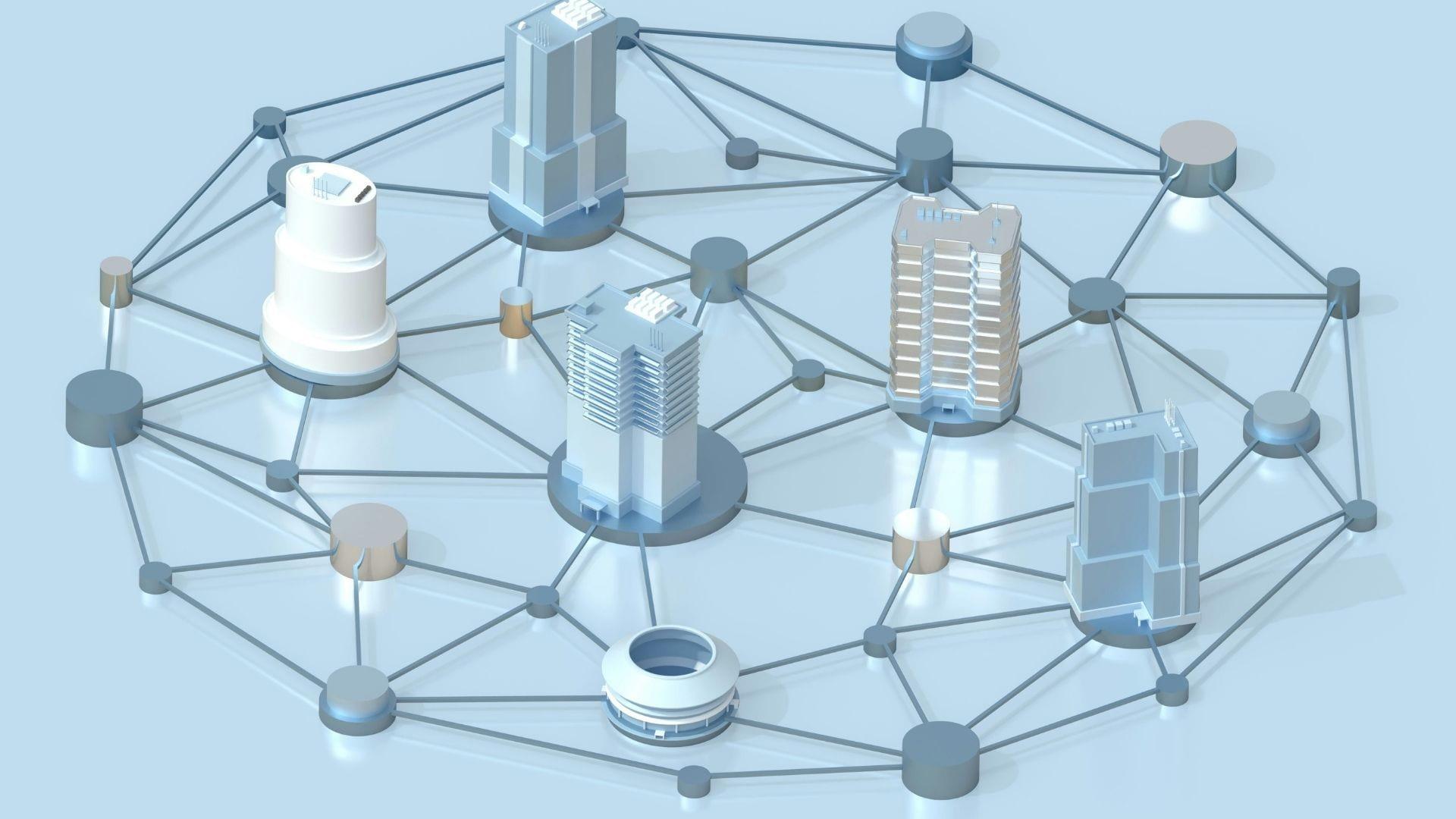
In a headless loyalty context, APIs act as bridges. Whenever a customer performs an action on a frontend touchpoint—such as checking their points balance on a mobile app, scanning a digital loyalty card at an in-store kiosk, or redeeming a voucher during an online checkout—that specific frontend application sends a secure API request to the headless loyalty engine. The engine processes the request, updates the database, and sends back raw data (typically in JSON format). The frontend application then takes this raw data and renders it visually, matching the exact design and user interface of that specific device.
By decoupling the mechanics of point calculations and tier tracking from the presentation layer, brands can turn loyalty from a standalone web page into a native feature embedded across their entire digital ecosystem.
Benefits: Front-End Flexibility & Faster Iteration
Transitioning to a headless loyalty architecture requires a shift in how engineering and product teams operate, but the benefits for customer experience and operational speed are significant.
Absolute Creative Freedom and Front-End Flexibility
In a traditional loyalty system, marketing and design teams are constrained by the vendor’s out-of-the-box templates, themes, or plugins. This often results in a fractured user experience where the main e-commerce site feels modern and sleek, but the loyalty portal looks like a dated third-party add-on.
With headless loyalty, your design choices are unrestricted by backend limitations. Because the frontend is completely decoupled, your developers can build the user interface using any modern framework they prefer, such as React, Vue.js, Next.js, or native iOS and Android tools.
The loyalty experience can be woven directly into the fabric of your existing interfaces. Points balances can appear organically within a checkout cart, personalized offers can show up inside an immersive video player, and tier milestones can be styled to match your brand's visual identity. The customer never feels like they are leaving your core digital experience to interact with a separate loyalty program.
True Omnichannel Deployment
Modern customer journeys are rarely confined to a single device. A customer might discover a brand via an Instagram ad, browse products on a mobile app during a commute, complete the purchase on a desktop laptop, and return an item in a physical brick-and-mortar retail store.
A traditional loyalty engine often struggles outside its primary environment, usually requiring complex middleware to sync data with physical cash registers or native mobile apps. A headless system treats every channel equally. Because everything runs on standardized web APIs, any device connected to the internet can become a loyalty touchpoint.
The exact same loyalty logic can power:
- A points-redemption slider in an online shopping cart.
- A barcode generator inside an Apple Wallet pass.
- A personalized reward offer displayed on an interactive mirror in a changing room.
- An automated reward trigger inside a smart home device or connected vehicle.
Faster Iteration and Agility
In a monolithic setup, deploying a minor visual change—like updating the color of a "Redeem" button or reformatting text on a reward voucher—requires deploying the entire application. This setup creates dependencies between frontend designers and backend engineers, increasing the risk of bugs and extending deployment cycles from days to weeks.
Headless architecture isolates these environments. Frontend developers can alter layouts, run A/B tests on promotional banners, or launch entirely new user flows without touching a single line of backend database code.
Simultaneously, backend teams can optimize loyalty rules, integrate new data platforms, or run system maintenance without threatening the stability of the customer-facing interface. This separation speeds up release cycles, allowing marketing teams to react to consumer trends in near real-time.
Future-Proofing the Technology Stack
Technology stacks evolve constantly. If you choose to migrate your e-commerce platform or adopt a new content management system, a monolithic loyalty tool tied to your old platform often must be replaced as well.
A headless loyalty engine operates independently. It acts as a permanent ledger and rules engine that remains steady in the background, even if you completely rebuild, replace, or redesign your frontend channels. This decoupling protects your core logic and customer historical data from the volatility of frontend technology cycles.
When Headless Is Overkill for Smaller Programmes
Despite the clear structural advantages of a headless architecture, it is not a universal solution for every business. Decoupling the frontend introduces technical complexities that can easily overwhelm smaller brands or early-stage rewards initiatives. Understanding when not to choose headless is just as critical as knowing when to deploy it.
The True Cost of Technical Overhead
The primary trade-off of a headless architecture is the loss of ready-made interfaces. When you purchase a headless loyalty engine, you are buying a robust set of backend tools, APIs, and documentation. You are not buying a user interface. There are no pre-built templates, drag-and-drop landing pages, or instantly installable web widgets.
For a small to medium-sized business (SMB) or a brand launching its very first loyalty experiment, this means everything must be built from the ground up. If you want a customer profile page showing point histories, your internal engineering team must design the UI, write the frontend code, map the API responses, manage authentication, and host the frontend application.
If your company lacks dedicated, full-time frontend developers, the development hours and financial investment required to build these basic features can quickly outweigh the financial return generated by the loyalty program itself.
Speed to Market vs. Customization
For smaller programs, speed to market is often more valuable than deep customization. Monolithic or plug-and-play loyalty apps—such as those found directly in the Shopify or BigCommerce app marketplaces—can be installed, configured, and launched in a matter of hours. They come with pre-designed widgets that match standard themes, automated email templates, and built-in dashboards.
While these turnkey systems offer limited layout flexibility and can feel restrictive to a scaling enterprise, they provide immediate value for an SMB. Choosing a headless approach when a standard plugin would suffice slows down your launch, tying up engineering resources that could be better spent on core product development or customer acquisition.
Operational Complexities for Marketing Teams
Headless architectures change how non-technical team members interact with software. In a traditional suite, a marketer can often log into a single administrative panel, change a promotional banner, modify the text explaining a rewards tier, and see those changes go live instantly.
In a purely headless ecosystem, unless the business invests additional time building custom administration interfaces or integrating a headless CMS, simple visual updates require engineering tickets. If a marketer wants to change the layout of a rewards gallery, they cannot simply drag and drop elements; they must rely on a developer to change the frontend codebase. For lean marketing teams that need to move fast without technical support, this dependency can introduce friction and slow down daily operations.
Technical Requirements for a Headless Loyalty Build
If your organization has outgrown standard plugins and requires the deep customization of a decoupled system, executing a successful headless build depends on several foundational technical requirements.
| Requirement Category | Key Technical Focus Areas |
| API Architecture | Developer-friendly RESTful or GraphQL APIs, comprehensive documentation, and robust SDKs. |
| Performance | Sub-100ms response times, global Edge hosting, and aggressive caching strategies. |
| Data Synchronization | Real-time Webhooks, event-driven architectures, and reliable transactional queues. |
| Security | OAuth 2.0 authentication, granular scopes, and strict PCI/GDPR compliance. |
1. Robust, Developer-First API Design
The quality of a headless engine is defined by its APIs. The system should offer well-documented, developer-friendly RESTful or GraphQL endpoints that cover every phase of the loyalty lifecycle.
Developers need to easily query data points such as:
- GET /members/{id}/balance — To retrieve real-time point balances.
- POST /transactions — To submit purchase data and calculate point accruals.
- POST /rewards/{id}/redeem — To instantly process a voucher generation request.
Beyond pure endpoints, the platform should provide modern Software Development Kits (SDKs) for popular frontend programming languages and comprehensive documentation featuring clear code examples and error handling guides.
2. Low-Latency Performance and Global Scalability
When loyalty logic is integrated directly into core user journeys—such as rendering points values next to product prices on a browsing page or calculating discounts during checkout—API performance becomes critical to the user experience. Slow response times lead to sluggish page loads, which directly harm conversion rates.
The headless loyalty infrastructure must be engineered for speed, regularly delivering sub-100-millisecond response times under peak loads. This requires using modern content delivery networks (CDNs) and edge computing models to cache non-transactional data—such as reward tier structures or product catalogs—as close to the end-user as possible.
3. Event-Driven Architecture and Reliable Webhooks
A loyalty program does not exist in isolation; it must stay aligned with your broader technology stack, including your ERP, CRM, Customer Data Platform (CDP), and email marketing engines. To make this work without creating rigid system dependencies, the headless loyalty engine should utilize an event-driven architecture.
The system must support real-time webhooks. For instance, when a customer earns enough points to cross into a premium tier, the headless engine should immediately broadcast a secure event notification (loyalty.tier.upgraded). Your marketing automation tool can listen for this webhook event to instantly trigger a congratulatory email containing a personalized discount code, keeping systems synchronized automatically.
4. Enterprise-Grade Security and Authentication
Exposing core loyalty and financial data via public-facing APIs introduces real security risks. Fraudsters frequently target loyalty points and digital vouchers, treating them like digital currency.
Your implementation must rely on robust authentication and authorization standards, such as OAuth 2.0 frameworks. Frontend applications interacting with the APIs should use short-lived, securely scoped tokens ensuring that a client-side app can only read or write data relevant to the logged-in user. Meanwhile, backend admin operations—like manual point balances adjustments—must be locked down behind highly restricted, server-to-server credentials with comprehensive audit logging enabled.
Conclusion: Making the Strategic Choice
Moving to a headless loyalty architecture is more than a simple development trend; it is a strategic decision that changes how a company engages with its audience across digital channels. By separating backend logic from the frontend presentation layer, brands gain the agility to create unique reward experiences, launch true omnichannel programs, and insulate their core logic from the constant shifts of frontend design trends.
However, these structural advantages come with explicit responsibilities. The absence of out-of-the-box user interfaces means your team must be ready to manage development overhead, build out custom integrations, and maintain the underlying API workflows.
For mid-market and enterprise businesses managing complex tech stacks, high transaction volumes, and diverse digital touchpoints, going headless is often the most effective way to build a future-proof retention ecosystem. By matching your long-term loyalty strategy with the technical resources needed to support it, you can transform rewards from a simple transaction tool into a native, high-performance feature of your entire customer experience.