
Loyalty Programme Examples: 15 Models Worth Studying
Building a loyalty strategy requires a solid understanding of what keeps people coming back. Instead of guessing what works, looking at successful brands can show you how to structure your own rewards. Brands use different systems to connect with their audience, whether through simple tracking or paid subscriptions.
This guide breaks down 15 major customer retention models across five primary strategies, highlighting the mechanics that make them successful and what you can apply to your own business.
Points-Based Examples
Points systems are the most common foundation for retention programs. They rely on a direct exchange where spending money translates into a clear digital currency. This predictability makes it easy for customers to understand the value of their purchases.
1. Caffè Nero
The Caffè Nero model takes the classic paper stamp card and moves it into a digital app. The mechanics are simple: customers get a digital stamp for every barista-prepared beverage they buy. Once they collect nine stamps, their tenth drink is free.
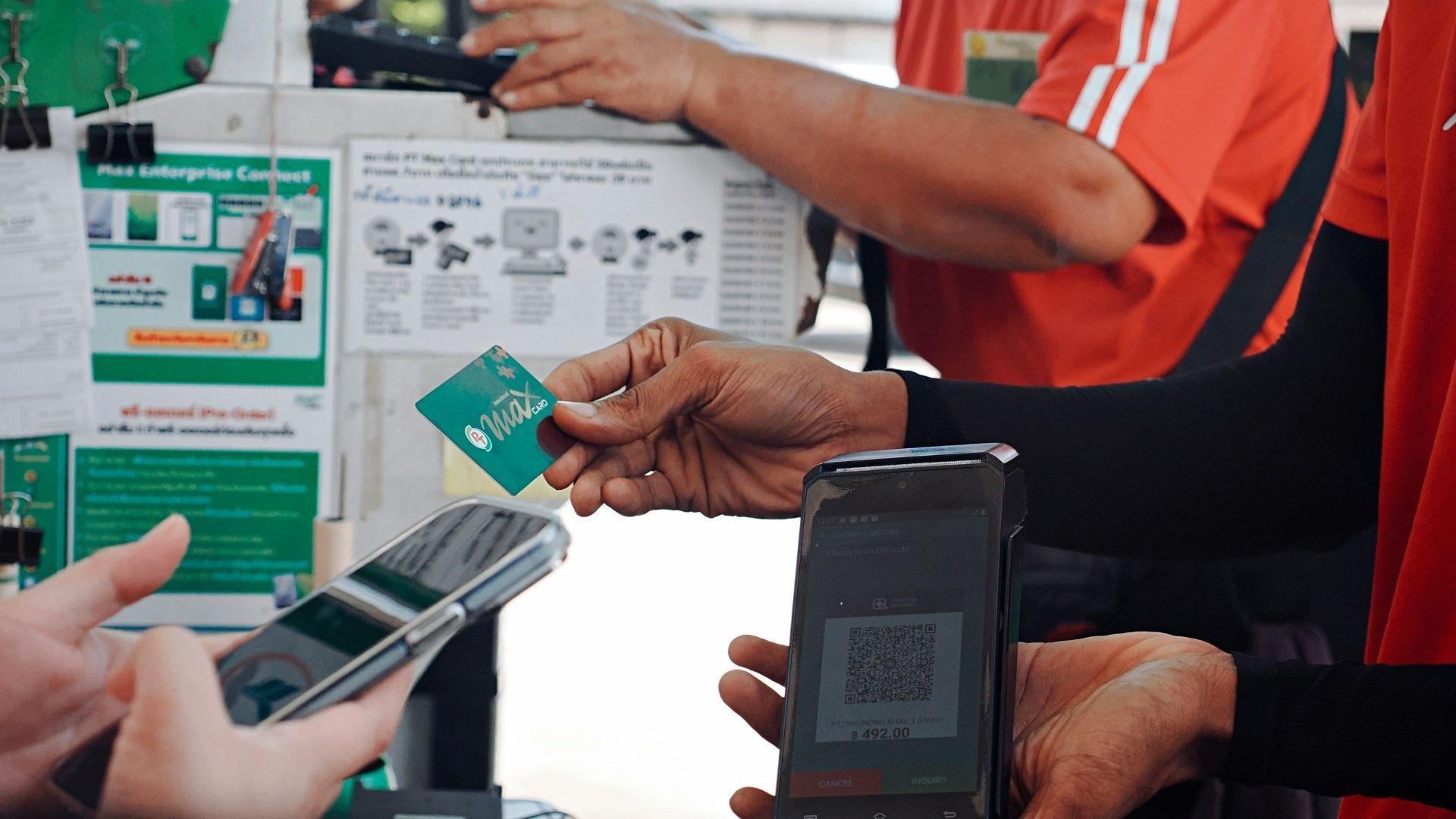
To reduce checkout friction, the brand integrates card-linking technology. Users can securely connect their payment card directly to the loyalty account. This means they can pay and earn their stamps in a single scan, avoiding the need to open multiple apps or pull out a separate physical card at the counter.
2. Chipotle Rewards
Chipotle uses a digital points structure tied to precise spending tiers. Members earn 10 points for every dollar spent online, via the app, or in physical restaurants. These points sit in a digital wallet until the customer decides how to spend them.
Instead of only offering a free burrito, Chipotle provides an online rewards exchange shop. Members can cash in smaller point balances for side orders like guacamole or chips, or save up for larger rewards like main entrees and branded merchandise. The program also uses bonus point days and birthday gifts to maintain consistent digital engagement throughout the year.
3. Tim Hortons (Tims Rewards)
Tim Hortons structures its program around a clear earning rate of 10 points for every dollar spent. The brand categorizes its menu items into specific point redemption brackets starting at 300 points.
The core feature here is automatic redemption. Customers can configure their app settings so that when they hit a specific threshold, the points automatically apply to eligible items on their next purchase. This reduces the steps required at the point of sale and ensures that casual users experience the benefit of the program without needing to manage their accounts manually.
Tiered & Status Examples
Tiered structures use psychology to drive higher spending. By separating benefits into ranks based on annual engagement, brands encourage customers to hit the next milestone to unlock better perks and social status.
4. Sephora Beauty Insider
Sephora runs a highly successful three-tiered structure: Insider (free to join), VIB (requires spending 350 dollars annually), and Rouge (requires spending 1,000 dollars annually). Every dollar spent earns points, but the real value lies in the tier perks.
While lower tiers get standard birthday gifts and access to seasonal sales, the top Rouge tier unlocks free standard shipping on all online orders, early access to product launches, and invitations to private brand events. This creates a strong incentive for high-spending customers to consolidate their beauty purchases entirely with Sephora to preserve their status.
5. Dunkin’ Rewards
Dunkin’ updated its system to focus heavily on visit frequency rather than just raw point accumulation. The standard rate is 10 points per dollar spent, but the system introduces a "Boosted Status" for users who visit 12 times within a single calendar month.
When a member unlocks Boosted Status, their earning rate increases to 12 points per dollar for the next three months. This short-term milestone motivates members to build a daily habit of stopping at Dunkin' rather than visiting competitors, using a time-bound goal to keep their brand top of mind.
6. Nespresso Edition
Nespresso takes an unconventional approach to tiers by tracking time rather than total spend. The structure progresses based on how long a customer has maintained an active account, moving members from Connoisseur to Expert and finally Ambassador status.
As members move up based on longevity, they unlock benefits such as free machine descaling kits, private sales, and discounts on new equipment. By rewarding long-term customer relationships instead of transactional volume, Nespresso reduces account cancellations and builds long-term brand affinity among coffee drinkers.
Paid Membership Examples
Paid loyalty requires customers to pay an upfront fee to access premium benefits. This model shifts the dynamic from earning rewards over time to unlocking immediate value, which encourages members to maximize their investment by shopping more frequently.
7. Amazon Prime
Amazon Prime changed the retail space by asking users to pay an annual or monthly subscription fee in exchange for immediate conveniences, primarily free two-day shipping on eligible items. Over time, the program expanded to include digital streaming, music, and exclusive shopping events like Prime Day.
The psychology behind Prime is built on sunk-cost behavior. Because members have already paid for the service upfront, they actively prefer buying from Amazon over other websites to justify their subscription cost. This focus on removing shipping friction has turned casual shoppers into highly active buyers.
8. REI Co-op
REI operates a unique member-owned cooperative model where customers pay a one-time fee for a lifetime membership. Instead of points, members receive an annual reward equivalent to 10% back on all eligible full-price purchases made throughout the previous year.
Alongside the annual payout, members get access to a dedicated secondhand gear marketplace, discounts on shop services like bike tuning, and special pricing on outdoor classes or travel expeditions. The one-time fee removes the barrier of recurring subscription costs while instantly aligning the customer with the brand's community identity.
9. Pret A Manger (Club Pret)
Pret A Manger brought the subscription model to the high street food sector with its monthly beverage pass. Members pay a set recurring monthly fee to unlock a specific number of barista-made drinks every day, alongside a fixed discount on food purchases.
This model changes daily commuting habits. A customer who pays for the monthly subscription will choose to walk into a Pret location for their morning coffee because the drink is already paid for. The model relies on high visit frequency and the high probability that subscribers will purchase a sandwich, snack, or pastry alongside their beverage.
Coalition & Partner Examples
Coalition and partner programs expand the reach of loyalty beyond a single storefront. By linking different businesses together, brands allow customers to earn and spend rewards during their everyday routines.
10. Kroger Plus Card
The Kroger grocery network uses a highly practical partnership model focused on fuel savings. Shoppers scan their card at checkout to earn 1 Fuel Point for every dollar spent on groceries. They can also earn double points on select gift card purchases.
These accumulated points can be redeemed directly at the pump for discounts per gallon at Kroger fuel centers and participating Shell gas stations. By connecting everyday grocery shopping with unavoidable fuel costs, Kroger creates a tangible, high-value financial incentive that directly lowers a household's weekly living expenses.
11. Delta SkyMiles
Delta Air Lines operates a mature travel ecosystem where miles never expire. Members earn rewards by booking flights, but they can also accumulate miles through an extensive network of everyday retail, ride-sharing, and hotel partners.
Through integrations with brands like Lyft and Starbucks, customers earn Delta miles on their morning commute or coffee purchases. Co-branded credit cards allow users to turn monthly bills into travel rewards, making the program valuable even for individuals who only fly once or twice a year.
12. Hilton Honors
Hilton Honors connects hotel stays across multiple distinct hospitality brands under one umbrella. Members earn points on hotel stays, dining, and wellness services at any Hilton property worldwide.
The strength of the program lies in its redemption flexibility. Beyond booking free hotel nights, members can transfer points directly to dozens of airline partners or use their points balance to pay for purchases on Amazon. This cross-industry utility ensures that rewards do not get trapped in a single ecosystem, giving them real-world flexibility.
Gamified Examples
Gamified loyalty applies game design principles to retail experiences. By introducing challenges, progress bars, and unexpected rewards, brands turn standard commerce into an interactive experience that drives organic user engagement.
13. Starbucks Rewards
The Starbucks mobile app is a benchmark for gamified retail design. While it operates on a basic star-earning mechanism, the app frequently introduces time-limited challenges, such as ordering three specific items in a week to unlock a large batch of bonus stars.
The visual interface uses clean progress indicators that show exactly how close a member is to their next reward tier. By using personalized pushes and dynamic progress bars, Starbucks turns routine morning purchases into a small interactive achievement, keeping users highly engaged with the platform.
14. MyMcDonald’s Rewards
McDonald's built gamification directly into its global mobile app strategy. The app uses immediate digital rewards alongside seasonal, large-scale interactive campaigns like their digital prize wheels and scanning promotions.
The daily app experience features flash discounts and short-term point accelerators tailored to individual purchasing patterns. This design prompts users to open the app before ordering to see what deals they can unlock, transforming a low-involvement fast-food transaction into a regular digital checkpoint.
15. Nike Membership
The Nike loyalty model connects product access with personal lifestyle goals. Instead of just tracking spending, the brand integrates its loyalty accounts directly across its digital ecosystem, including the Nike Run Club and Nike Training Club apps.
Members unlock exclusive product drops, customized gear, and early retail access by completing fitness milestones and tracking workouts. By rewarding physical activity and healthy habits alongside purchases, Nike embeds its brand into the customer's daily self-improvement routine, creating a deep emotional connection that goes beyond standard discounts.
What to Borrow for Your Own Strategy
Reviewing these major market leaders reveals clear patterns that any business can adapt, regardless of size or sector. When planning or updating your own retention strategy, focus on these core principles.
- Eliminate Technical Friction: Complex registration forms and separate cards reduce customer participation. Follow the examples of Caffè Nero and Tim Hortons by keeping the enrollment process short and integrating payment methods directly with reward tracking. The less effort required to use a program, the higher the adoption rate.
- Provide Choice in Redemptions: A single, mandatory reward does not appeal to a diverse customer base. Take a page from Chipotle and Hilton by building an exchange system where users choose how to use their balance. Allowing customers to pick between instant, low-cost rewards or saving for premium perks accommodates different buying behaviors.
- Focus on Frequent Habits: Programs like Dunkin’ and Pret A Manger succeed because they target small, repeatable behaviors. Look at your product offerings to identify your most natural customer habits. Design milestones or status boosts that incentivize users to choose your brand during those specific times.
- Offer Immediate Value for Paid Options: If you implement a subscription or paid tier, the benefits must be transparent and immediately accessible. As seen with Amazon Prime and REI, customers will pay an upfront fee if it instantly removes a major pain point, such as shipping costs, or offers clear long-term savings.
- Incorporate Interactive Progress: You do not need a massive budget to use gamification. Simple progress bars, personalized milestones, or targeted short-term challenges can make a program feel dynamic. Showing customers exactly how close they are to their next reward encourages them to complete that next purchase.
The most effective strategy depends entirely on your business goals and customer habits. By combining clear value with a straightforward user experience, you can build a sustainable model that protects your margins while giving your audience a genuine reason to stay loyal.