
Paid Loyalty Programmes: When Charging for Membership Makes Sense
The Business Case for Paid vs. Free Loyalty
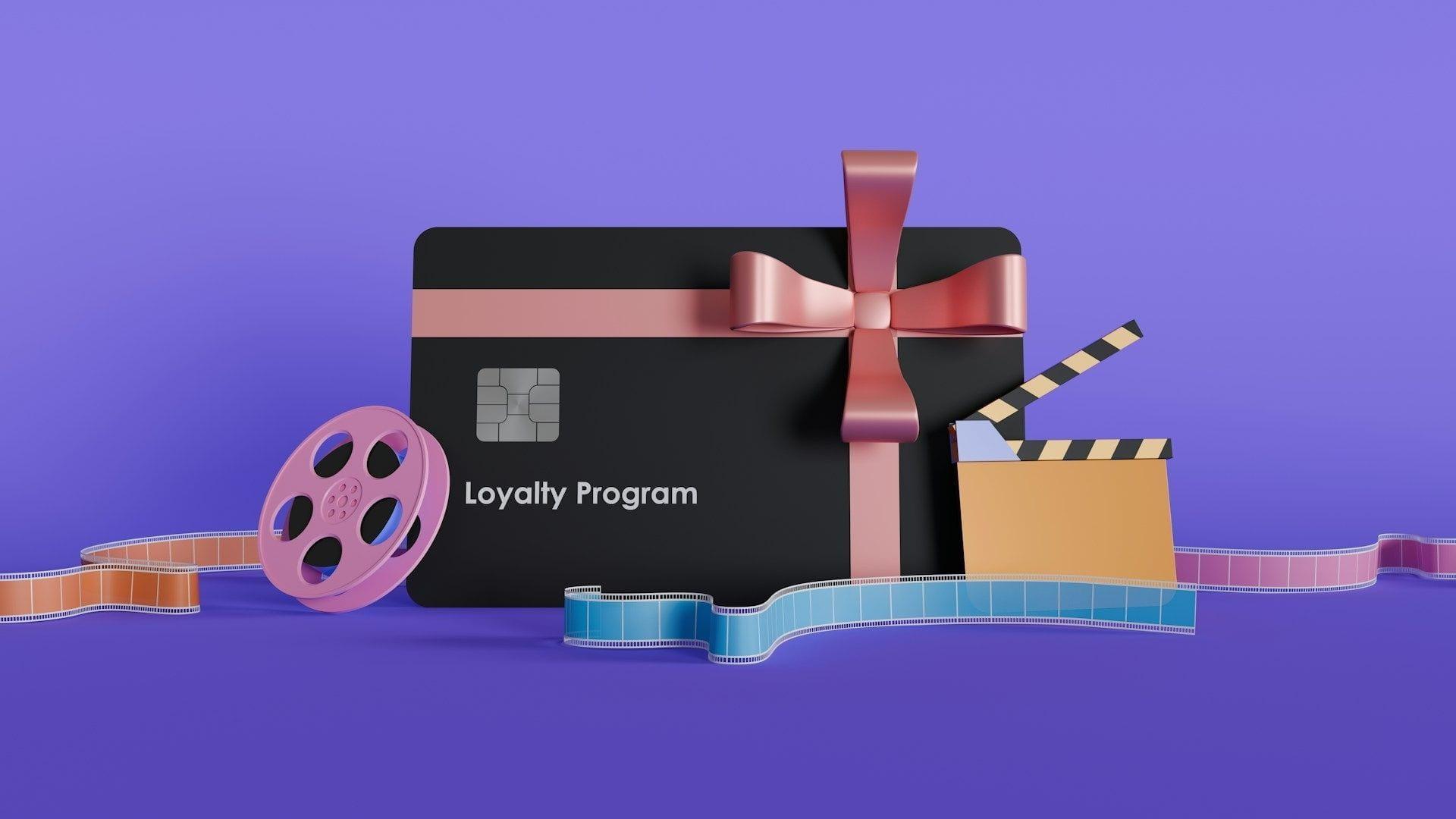
Loyalty programmes have long been a staple of retail and service industries. For decades, the standard blueprint was straightforward: a customer signs up for free, earns points on purchases, and eventually redeems those points for discounts or rewards. However, the modern marketplace is crowded, and standard points-and-expiry systems often struggle to maintain meaningful engagement. This saturation has driven a strategic shift toward paid loyalty programmes (also known as premium or subscription loyalty).
To understand the business case for charging an upfront fee, it is essential to look at how customer psychology and corporate finance intersect.
The Psychology of Financial Buy-In
Free loyalty programmes suffer from a low barrier to entry, which frequently leads to low accountability. A customer might join twenty different free programmes, stick the digital cards in their mobile wallet, and promptly forget about them.
When a customer pays a fee to join a programme, their psychological relationship with the brand changes immediately. This is driven by the sunk cost fallacy. Because the consumer has invested hard-earned money upfront, they feel a strong compulsion to maximize the value of that investment. To get their money's worth, they deliberately direct a higher share of their wallet to that specific brand instead of shopping around.
Financial Dynamics: Margin Expansion vs. Margin Erosion
Free programmes operate on a transactional model where rewards are lagging indicators of spend. The brand gives away margin after the fact (e.g., a 10% discount on the next purchase). If not carefully managed, this can erode profitability without guaranteeing long-term retention.
Paid loyalty flips this dynamic entirely:
- Predictable Upfront Revenue: Membership fees provide immediate, predictable cash flow that can be used to fund high-value perks or reinvested directly into capital projects.
- Higher Lifetime Value (LTV): Members of premium programmes typically purchase more frequently and spend more per transaction than non-members.
- Reduced Price Sensitivity: Once a customer joins a paid tier, they become less sensitive to minor price differences between you and your competitors, as their primary goal shifts to extracting value from their membership.
While free loyalty works excellently for broad customer acquisition and mass data collection, paid loyalty is an optimization tool designed to lock in your top 10% to 20% of customers, transforming them into highly profitable, hyper-frequent brand advocates.
Pricing a Membership Tier Correctly
Determining the price of a premium loyalty tier is a delicate balancing act. Set the price too high, and the barrier to entry becomes insurmountable for all but a tiny fraction of your audience. Set it too low, and the perceived value drops, while your margins get crushed by the cost of delivering the promised benefits.
To find the sweet spot, businesses must evaluate several distinct pricing methodologies and structural considerations.
1. Value-Based Pricing Models
The most effective way to price a membership tier is by aligning the cost with the perceived and actual utility delivered. The baseline rule of thumb is that the quantifiable value a member receives within their first one to two transactions should clearly outweigh the subscription cost.
If a program costs $60 per year, the member should easily see how they can claw back that $60 through instant benefits like waived shipping fees, exclusive gifts, or direct cash-back credits.
2. Frequency vs. Commitment: Monthly vs. Annual Billing
The structure of your payment terms radically changes who signs up and how they behave.
- Monthly Subscriptions: Lower friction, making it easier for cautious consumers to try the programme. However, monthly billing risks higher churn rates, as consumers re-evaluate the line item on their bank statement every thirty days.
- Annual Subscriptions: Secure a longer runway for the brand to prove its value. Annual plans generate a large lump sum of working capital immediately and boast significantly higher retention rates, though they require a stronger marketing push to overcome the initial cost objection.
3. The Unit Economics of Perks
Before launching a price point, finance teams must run rigorous simulations on the cost of goods sold (COGS) for every perk offered. If your programme offers free next-day delivery, you must calculate the average shipping cost per order against the projected increase in order frequency.
The goal is to design a pricing structure where the membership fee covers the operational cost of the rewards, while the incremental gross margin from increased transaction volumes provides the true bottom-line profit.
What Members Expect From a Paid Programme
When consumers pay for a loyalty programme, their expectations skyrocket. They are no longer willing to wait six months to accumulate points for a generic coupon. They expect a premium, frictionless experience that makes them feel like VIPs from day one.
Immediate and Frictionless Gratification
The primary differentiator of a paid loyalty programme is the elimination of the waiting period. The moment the credit card transaction clears, the benefits must activate. If a customer joins at the checkout counter or on an e-commerce cart page, the perks (such as free shipping or a welcome discount) must apply to that exact purchase. Any delay in value delivery results in immediate buyer's remorse.
High-Utility Financial Perks
Consumers expect paid programmes to solve clear friction points in their daily lives. The most successful premium programmes focus heavily on utility:
- Frictionless Logistics: Free, fast delivery with no minimum spend thresholds, or priority order processing.
- Direct Financial Return: Consistent, predictable discounts or high-percentage cash-back structures that clearly outpace standard free rewards.
Experiential and Emotional Rewards
While financial utility gets a member to sign up, experiential perks keep them from cancelling. Paid members want to feel distinct from the general public. This emotional connection is built through exclusive access:
- Early Access: The ability to browse and purchase new product drops, seasonal lines, or sale events 48 hours before anyone else.
- Exclusive Products: Access to member-only merchandise, limited-edition collaborations, or specialized services.
- Concierge Support: Dedicated customer service channels that bypass standard queues, resolving issues instantly.
Ultimately, premium members expect a curated ecosystem that blends tangible financial savings with elevated status and convenience.
Risks of Getting Paid Loyalty Wrong
Transitioning to or launching a paid loyalty tier is a high-stakes strategy. While the rewards are substantial, missteps can actively damage your brand equity, alienate your most dedicated customer base, and create severe financial liabilities.
1. The Value Deficit and Churn Spiral
The greatest risk to a paid programme is a failure to deliver on the promised value proposition. If a customer calculates their annual spend and realizes they paid $100 for a membership but only saved $80, they will feel actively cheated.
Unlike a free programme where inactive users simply sit silently on an email list, dissatisfied paid members will actively churn, cancel their subscriptions, and frequently leave negative public reviews that damage your brand reputation.
2. Operational Overload and Delivery Failure
A paid loyalty programme issues a promise that your supply chain and operational infrastructure must be capable of keeping. If you promise guaranteed two-day shipping to your premium members, but your warehouse experiences delays or your logistics partners falter, you are breaking a paid contract.
Similarly, if your customer service channels are overwhelmed and premium members face long hold times, the illusion of VIP status shatters instantly. Brands must ensure their internal systems are fully optimized before charging a premium for elevated service.
3. Alienating the Core Customer Base
If a brand introduces a paid tier by stripping away benefits that used to be free, the existing customer base will view the move as a cynical cash grab. For example, if standard customers suddenly find their free shipping thresholds raised or their points devalued to force them into a paid tier, it creates immense resentment.
Paid loyalty should always feel like an additive, aspirational layer built on top of a solid brand experience, rather than a tax levied on existing customer habits.
Conclusion: Is Paid Loyalty Right for You?
Paid loyalty programmes are not a universal remedy for declining customer engagement. They require a highly active, dedicated customer base, a strong brand identity, and an operational infrastructure capable of flawless execution.
When implemented with precise value-based pricing, a focus on instant utility, and deep experiential rewards, charging for membership can transform your best customers into an engine of predictable, highly profitable recurring revenue.