
Sampling Campaigns & Loyalty: Converting Trial Into Repeat Purchase
For decades, brands have relied on product sampling as a reliable way to generate immediate awareness. Whether it is a beauty packet tucked into a subscription box, a bite-sized snack handed out in a grocery aisle, or a mini-shampoo bottle mailed to a doorstep, the psychology remains simple: lower the barrier to trial, and consumers will taste, touch, or test your product.
However, standard sampling models are facing an expensive reality check. In an era dictated by rising customer acquisition costs (CAC) and fragmenting consumer attention, handing out free samples without a rigorous backend strategy is merely an exercise in giving away free inventory. The ultimate goal of a sampling campaign cannot just be trial; it must be retention.
To turn a one-off trial into a lifetime of repeat purchases, brands must bridge the massive gap between a consumer liking a sample and that same consumer actively changing their shopping habits to buy the full-sized product.
Why Sampling Alone Rarely Builds Loyalty
The classic sampling campaign operates on a hopeful premise: if they try it, they will come. While this logic holds true for immediate sensory validation, it fundamentally misunderstands the mechanics of modern consumer loyalty.
The Illusion of the "Freebie" Effect
When a consumer receives a free sample, they experience a brief spike in brand awareness. However, this interaction is transactional and passive. The consumer has invested zero financial risk and very little friction to acquire the item.
Psychologically, this creates a weak brand bond. Because the product was acquired without effort or intent, it is often consumed thoughtlessly or forgotten at the bottom of a handbag. Once the sample is gone, the psychological connection evaporates. Without a deliberate next step initiated by the brand, the consumer simply returns to their baseline purchasing habits.
The Danger of the Empty Conversion Funnel
Traditional sampling campaigns usually suffer from a massive blind spot: a lack of attribution. When a consumer picks up a physical sample at an event or in-store, the brand rarely knows who that person is, whether they actually used the product, or what they thought of it.
Without a structured follow-up mechanism, the journey ends the moment the sample is consumed. Expecting a consumer to remember the brand name, search for it during their next grocery trip or online shopping session, and choose it over their incumbent favorite product—all without a nudge—is statistically unrealistic. Sampling creates awareness, but data-driven engagement is what builds habit.
Capturing First-Party Data at the Point of Sampling
To transform sampling from a costly marketing expense into a customer acquisition engine, brands must make the sample conditional on an exchange of value. That value is first-party data.
Capturing data at the exact moment of trial changes the entire dynamic of the campaign. It transforms an anonymous passerby into a known lead.
Digital-First Sampling Mechanisms
The modern sampling toolkit relies on digital gateways that require a minimal, low-friction digital interaction before the sample is handed over or shipped.
- QR Codes on Smart Packaging: For physical distribution (events, in-store, or inclusion in third-party shipping boxes), the sample packaging itself should feature a prominent QR code. Scanning this code takes the user to a mobile-optimized landing page where they can unlock a future discount or enter a community hub in exchange for their email or phone number.
- Targeted Social Sampling: Instead of blasting samples to the public, brands can use targeted paid social campaigns to offer free samples exclusively to their ideal demographic. To claim the sample, users fill out a native lead form, ensuring the brand captures clean data from a highly qualified audience.
- The Zero-Party Data Bonus: The point of sampling is also an ideal time to collect zero-party data—information that the consumer intentionally and proactively shares with you. By asking a single, fast question during the sign-up process (e.g., "What is your primary skin concern?" or "How often do you cook at home?"), you can instantly segment your new leads.
The Privacy-First Value Exchange
Consumers understand the value of their personal information. To get them to share it willingly, the onboarding flow must be seamless. A clunky form with ten fields will ruin conversion rates. Keep the initial ask restricted to a first name and an email address or phone number.
By capturing this baseline information upfront, you secure the permission asset required to guide the consumer from the initial taste test to their first official purchase.
Following Up: Turning a Sample Into a Loyalty Sign-Up
The critical window for converting a sampler into a customer opens the moment they receive the product. If your brand waits three weeks to reach out, the consumer has likely already moved on. The post-sample communication strategy must be timely, personalized, and highly intentional.
The Nurture Flow Timeline
An effective post-sampling email or SMS workflow should be triggered based on the estimated delivery or consumption date of the sample.
- Phase 1: The Education (Day 1): Send a message right when the sample arrives. Provide a quick tip, a recipe, or a short video demonstrating how to get the best results from the product. This maximizes the chances that they will use the sample correctly.
- Phase 2: The Feedback Loop (Day 3–4): Ask for their opinion. A simple, one-click survey ("Rate your experience: Love it / Okay / Not for me") achieves high engagement and provides excellent product development insights.
- Phase 3: The Hook (Day 5–7): This is the moment to convert. For users who gave positive feedback, deliver a direct incentive to buy the full-size version.
Bridging the Gap to the Loyalty Program
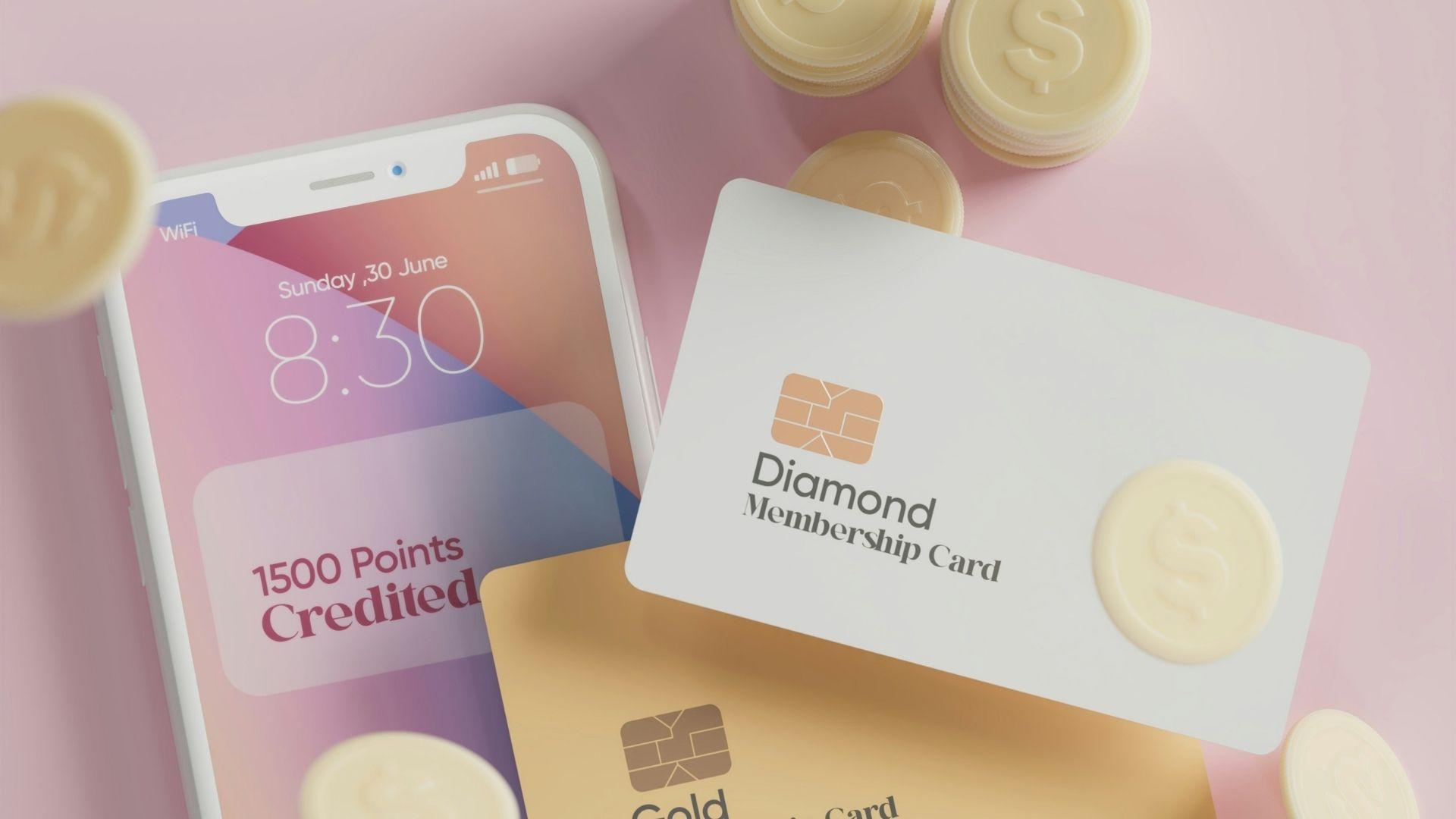
The most effective incentive to drive a first purchase is one that simultaneously embeds the customer into your long-term ecosystem. Instead of offering a standard standalone discount code, tie the incentive directly to your brand's loyalty program.
For instance, your follow-up message might say:
"Love your sample? Buy the full size today and get $10 off, plus 200 instant loyalty points—enough to unlock free shipping on your next order."
By automatically enrolling the consumer into a tiered rewards system at the point of their first purchase, you change their psychological relationship with the brand. They are no longer just buying a product; they are building an account balance of points, perks, and status that makes switching back to a competitor financially disadvantageous.
Measuring Sampling-to-Repeat-Purchase Conversion
A sampling campaign without measurable KPIs is just an expensive guessing game. To prove the return on investment (ROI) of your sampling efforts, you must track consumers past the initial trial phase and monitor their behavior over a multi-month timeline.
Key Metrics to Monitor
To understand the true health of your pipeline, focus on four primary metrics:
| Metric | Definition | Why It Matters |
| Sample Opt-In Rate | The percentage of exposed consumers who successfully provide data to claim a sample. | Measures the initial appeal of the offer and the friction level of your data capture forms. |
| Trial-to-Purchase Conversion Rate | The percentage of sample recipients who buy a full-sized product within a specific window (e.g., 30 or 60 days). | The core benchmark for campaign success. It proves whether the product lived up to its promise. |
| Loyalty Program Attachment Rate | The percentage of converted samplers who actively register for your rewards program during or immediately after their first purchase. | Predicts the long-term customer lifetime value (LTV) generated by the campaign. |
| Repeat Purchase Velocity | The average time it takes for a converted sampler to make their second and third full-priced purchases. | Indicates whether the product has successfully integrated into the consumer's daily habits. |
Cohort Tracking and Attribution
To track these metrics accurately, assign unique tracking parameters to every sampling channel. If you distribute samples via three different methods—an influencer partnership, an in-store pop-up, and a digital ad campaign—each method must use distinct QR codes, landing pages, or digital coupon codes.
By grouping these consumers into specific cohorts within your Customer Relationship Management (CRM) platform, you can compare performance across channels over a six-month window.
You may discover that while your in-store pop-up yields a high volume of cheap sample distributions, its long-term conversion rate is extremely low. Conversely, a targeted digital sampling campaign might cost more up front but yield customers with a significantly higher lifetime value and repeat purchase rate. These insights allow you to stop wasting budget on passive samplers and reallocate funds toward high-converting loyalty pipelines.
Conclusion: The New Paradigm of Sampling
Product sampling remains one of the most potent tools in a marketer’s toolkit for breaking through market noise and overcoming consumer skepticism. However, physical trial can no longer exist in a vacuum.
By treating the sample as the opening handshake of a data-driven relationship, brands can systematically turn casual triers into dedicated brand advocates. The secret lies in capturing clean data at the start, executing a timely and relevant digital follow-up sequence, and leveraging the rewards architecture of a structured loyalty program to make the second, third, and fourth purchases an easy decision. When done correctly, sampling stops being a cost center and becomes a predictable foundation for long-term customer retention.