
What Are Private Label Brands?
Walking down a grocery store aisle, you will likely see a well-known brand of peanut butter sitting right next to a version carrying the store’s own name on the label. The store-branded option is usually priced lower, yet the packaging looks sleek, and the quality is surprisingly excellent.
That store-branded product is a private label brand. Once dismissed as cheap, generic knockoffs, private label products have evolved into a dominant force across retail, grocery, fashion, and e-commerce.
Defining the Private Label Model
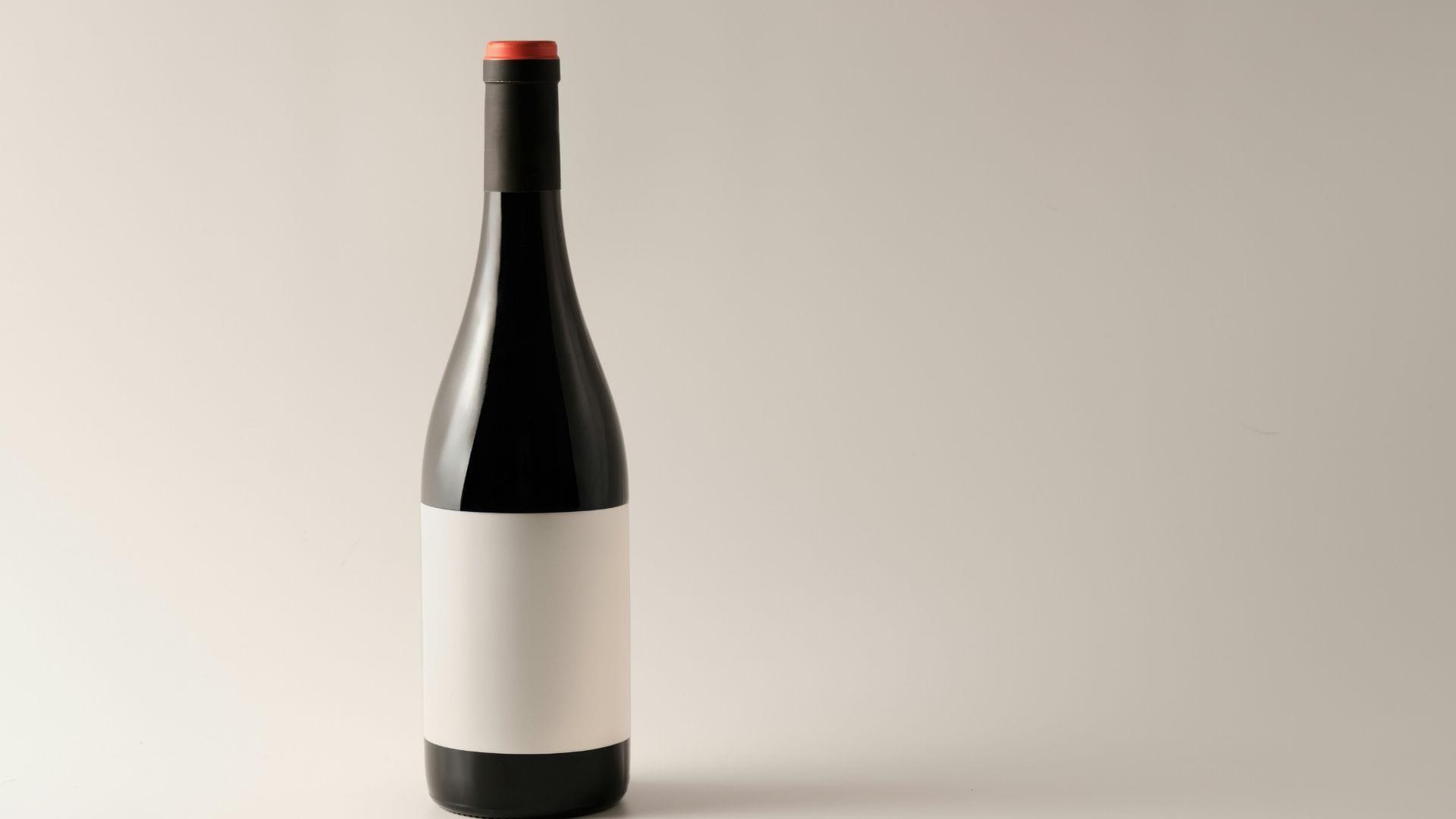
A private label brand refers to goods manufactured by one company (a third-party manufacturer) but sold under the brand name of another company (the retailer). The retailer specifies everything about the product, including its ingredients, components, design, and packaging.
This model stands in stark contrast to national brands, which are created, owned, and marketed by the manufacturers themselves.
To clarify how this works in the retail ecosystem, consider the distinct roles involved:
- The Manufacturer: Focuses entirely on production, sourcing raw materials, and quality control. They do not market the product to the public.
- The Retailer: Focuses on branding, market research, pricing strategies, and customer experience. They own the exclusive rights to sell that specific product line.
How It Differs from Other Models
People often confuse private labeling with other retail concepts, but the differences are clear when you look at ownership and customization.
White Labeling vs. Private Labeling
White label products are generic items created by a manufacturer and sold to multiple retailers. Each retailer slaps their own logo on the exact same item.
Private label products, however, are custom-tailored for a single retailer. The formula, design, or features are exclusive to that store.
National Brands vs. Private Labeling
National brands invest heavily in massive nationwide advertising campaigns to build consumer recognition across many different retail chains.
Private label brands rely almost entirely on the retailer’s existing foot traffic, shelf placement, and digital storefront visibility.
Why Retailers Love Private Labeling
The shift toward private label strategies is driven by concrete business advantages that directly impact a company's bottom line.
Higher Profit Margins
Because retailers bypass the middleman and skip expensive national marketing campaigns, production costs drop significantly. Retailers typically enjoy margins 25% to 30% higher on private label items compared to traditional national brands.
Absolute Control
Retailers dictate every variable. They control the pricing, determine how the item is displayed on the shelves, and can adjust inventory production based on real-time sales data from their registers.
Customer Loyalty
If a customer falls in love with a specific private label coffee blend, they can only buy it at that specific retail chain. This turns a simple product into a powerful customer retention tool.
Real-World Examples of Success
Private label brands are everywhere, even if you do not realize it. Many of the most successful brands today are actually private labels owned by major corporations.
| Retailer | Private Label Brand | Industry |
| Costco | Kirkland Signature | Groceries, Apparel, Household |
| Target | Good & Gather / Up & Up | Food, Essentials, Home |
| Amazon | Amazon Basics | Electronics, Home Goods |
| Trader Joe's | Trader Joe's (Nearly 80% of store inventory) | Specialty Foods |
Costco’s Kirkland Signature is arguably the most successful private label in history. It generates tens of billions of dollars annually, often outperforming the major national brands sharing the same shelves.
The Modern Consumer Shift
The perception of store brands has fundamentally changed over the past two decades. Historically, buying the store brand carried a slight social stigma, suggesting a consumer was sacrificing quality to save money.
Today, that stigma is gone. Modern manufacturers use advanced production facilities, allowing store brands to match or even exceed the quality of national household names. Economic pressures and inflation have pushed shoppers to try these alternatives, and the high quality keeps them coming back. Consumers realize they can save roughly 20% to 30% on their shopping receipts without compromising their standards.
Summary
Private label brands represent a win-win scenario in the modern marketplace. For retailers, they offer unparalleled control, distinct product differentiation, and healthier profit margins. For consumers, they provide high-quality alternatives that keep household budgets intact. As retail continues to evolve, the line between national giants and store-owned brands will only continue to blur.