
What Is a Loyalty Card?
A small plastic card sitting in your wallet or a digital barcode saved on your smartphone might seem like a simple tool, but it is actually one of the most effective customer retention tools in modern business.
Whether you are a customer trying to save money on daily groceries or a business owner looking to keep your store busy, understanding how loyalty cards function is essential.
Defining the Loyalty Card
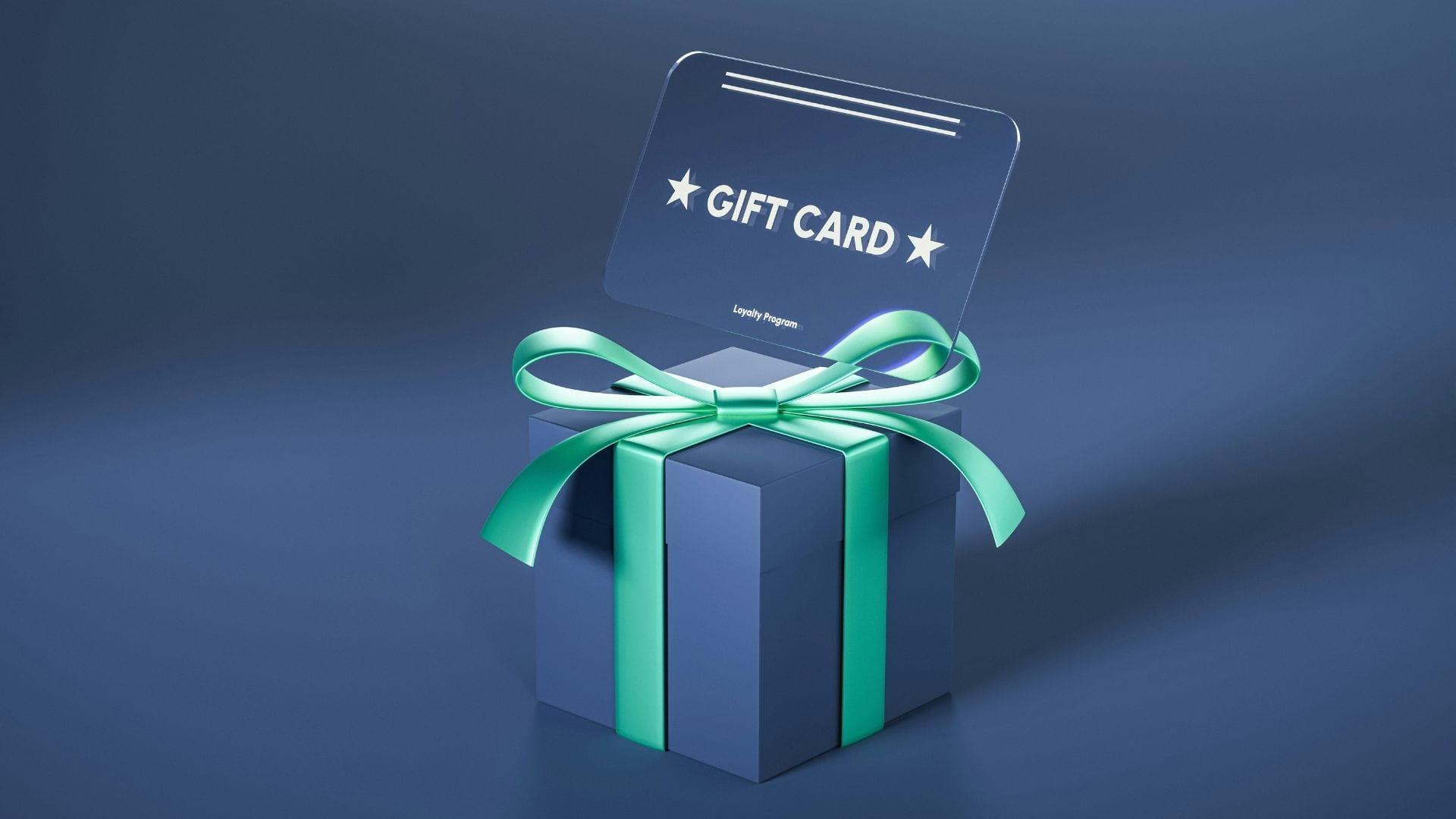
A loyalty card is a physical token or digital identity given by a business to its customers to track purchases and incentivize repeat visits. When you present this card during checkout, the store records your transaction. In return, you receive specific perks, such as exclusive discounts, points toward future purchases, or free merchandise.
These cards act as the bridge between a shopper and a business's customer reward system. While they once existed primarily as plastic cards or paper punch-cards, modern systems are heavily digital. Today, many brands allow you to access your membership profile simply by scanning a barcode on a mobile app or entering your phone number at the register.
How the System Operates
The basic mechanics of a loyalty card are straightforward, relying on a mutually beneficial exchange. The process generally follows three distinct phases:
- Enrollment: The customer signs up for the rewards program, providing basic contact details like an email address or phone number. The business then issues a unique account number tied to a physical card or a mobile app barcode.
- Accumulation: Every time the customer buys something, they scan their card at the cash register or log into their online account. The system tracks the transaction and awards points based on the total spend. For instance, a coffee shop might give one point for every dollar spent.
- Redemption: Once the customer reaches a specific milestone, they can exchange their accumulated points for rewards. This could mean getting a free sandwich, a flat discount on their next bill, or access to special merchandise.
Different Models of Rewards
Not all loyalty cards work the same way. Businesses choose different structures depending on what they sell and how often their customers return.
The Standard Points System
This is the most frequent model. Shoppers earn a set number of points for every dollar they spend. Once they hit a specific balance, they cash those points in. Supermarkets and department stores favor this approach because it directly links the size of the purchase to the value of the reward.
Tiered Memberships
Some cards unlock different status levels based on how much a customer spends over a year. New members start at a base level, while frequent shoppers move up to premium tiers. Higher levels unlock better perks, like free shipping, birthday gifts, or dedicated customer support. This creates an incentive for customers to keep returning to maintain their status.
Punch Cards
Often used by small local businesses like cafes or hair salons, this traditional model is simple. For every purchase or visit, the card gets a physical stamp or a digital checkmark. After a set number of stamps—usually eight or ten—the next item or service is entirely free.
The Business Advantages
Companies do not give away discounts and free items out of pure generosity. Loyalty programs offer substantial strategic advantages to businesses.
Better Retention Rates
Acquiring new buyers is notoriously expensive. Keeping the ones you already have is far more cost-effective. A loyalty card gives shoppers a concrete reason to return to the same store rather than visiting a competitor. If a consumer knows they are close to earning a reward at one grocery store, they are unlikely to shop at a rival chain.
Higher Average Order Value
When people know they are earning points toward a prize, they often spend more per visit. A shopper might add an extra item to their cart just to cross the threshold required for bonus points, raising the store's overall sales volume.
Useful Consumer Insights
Every time a card is scanned, the business gathers data on what products are bought together, how often a customer visits, and how much they typically spend. These insights allow stores to optimize their inventory and design targeted marketing campaigns that appeal to specific shopping habits.
The Consumer Advantages
For the everyday shopper, the benefits of carrying a loyalty card come down to value and convenience.
- Direct Savings: The most obvious perk is immediate financial savings through member-only pricing and cash-back rewards.
- Special Treatment: High-tier members frequently enjoy early access to new products, invitation-only sales events, and faster checkout options.
- Personalized Offers: Instead of generic coupons, cardholders often receive deals tailored to the specific items they buy regularly, making the discounts genuinely useful.
Summary
A loyalty card is far more than a piece of plastic or an app on your phone. For businesses, it is a data-driven strategy designed to stabilize revenue and build lasting relationships with buyers. For consumers, it is an easy way to extract maximum value from the money they already intend to spend. As technology advances, these programs will only become more seamless, transforming how we look at everyday retail transactions.