
FMCG: The Complete Guide to Fast-Moving Consumer Goods & Why Loyalty Matters More Than Ever
What Does FMCG Mean?
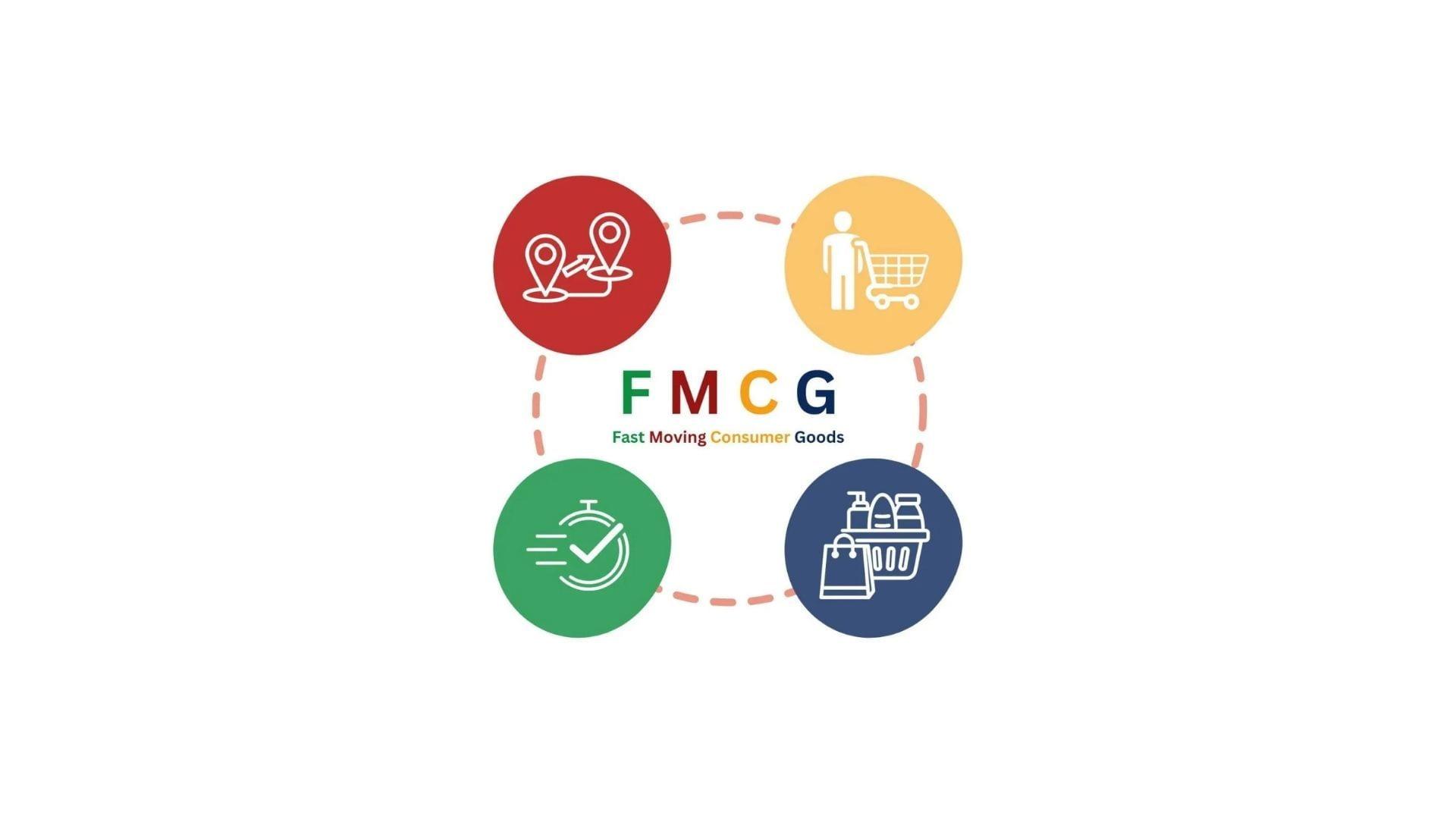
FMCG stands for Fast-Moving Consumer Goods. The term describes products that are sold quickly, consumed rapidly, and purchased repeatedly. They are available at low to mid price points, carry short shelf lives, and depend on high sales volume rather than high per-unit margin to generate profit. Food, soft drinks, personal care products, cleaning supplies, over-the-counter medicines, and confectionery all fall within the FMCG definition.
The 'fast-moving' element refers not just to how quickly products sell but to the entire operational rhythm of the sector. Supply chains must be responsive. Distribution must be wide. Availability at the point of purchase is the dominant strategic priority, because a consumer who cannot find a brand on the shelf will buy a competitor's product with minimal friction. In no other sector is availability as directly equivalent to sales as it is in FMCG.
The global FMCG market was valued at approximately $12.93 trillion in 2024 and is forecast to reach $21.88 trillion by 2034, growing at a CAGR of 5.4%. The UK alone represents a market valued at $253.4 billion in 2024, projected to reach $394.5 billion by 2033. Within UK retail, the FMCG sector is estimated to hold a 12% market share by end of 2025, double what it held in 2023, reflecting the structural shift in how and where consumers purchase everyday goods.
FMCG vs. CPG: Is There a Difference?
The terms FMCG and CPG (Consumer Packaged Goods) are used interchangeably in most professional and academic contexts, but they carry different geographic associations that matter in practice.
| Dimension | FMCG | CPG |
|---|---|---|
| Geographic use | UK, Europe, Australia, Asia | North America (US, Canada) |
| Typical shelf life | Short (food, perishables, toiletries) | Longer (cleaning products, durable household goods) |
| Price point | Low to mid; frequent impulse buys | Mid to high; more considered purchases |
| Brand strategy focus | Speed, availability, habit formation | Long-term value, quality differentiation |
| Loyalty challenge | Identical; data gap via retail intermediary | Identical; data gap via retail intermediary |
The practical consequence for loyalty professionals is that the frameworks, case studies, and technology solutions used by CPG brands in North America are directly applicable to FMCG brands operating in the UK and Europe. When Coca-Cola, P&G, or Kellogg's build a loyalty programme, their core structural challenge, that they sell through retail intermediaries and therefore do not own the customer relationship or purchase data, is identical whether the programme is described as FMCG or CPG. The terminology is regional; the problem is universal.
Key Characteristics of FMCG Products
Understanding what makes FMCG products structurally distinct is essential for any professional building loyalty or marketing strategy within the sector. Four characteristics define the category and shape every strategic decision within it.
Low unit price, high purchase frequency
FMCG products are purchased repeatedly over short intervals. A consumer might buy their preferred shampoo every four to six weeks, their preferred cereal every fortnight, and their preferred soft drink multiple times per week. This frequency creates habit, and habit is the closest thing to passive loyalty that exists in consumer behaviour. But habit is also fragile: a promotion, an empty shelf, or a new format can interrupt it in a single shopping trip.
Distribution dependency
FMCG brands are entirely dependent on retail distribution for revenue. Unlike a hotel, an airline, or an e-commerce brand, an FMCG manufacturer cannot directly sell the majority of its volume to the end consumer. It sells to retailers, distributors, and wholesalers, who then sell to consumers. This intermediary structure is the defining structural fact of FMCG, and it creates the data gap that loyalty programmes must solve.
Brand substitutability
In most FMCG categories, the functional difference between the leading brand and its nearest competitor is small or undetectable. Research consistently shows that one in three consumers will switch brands without significant hesitation. This substitutability is what makes brand building in FMCG so expensive and what makes loyalty, the conversion of transactional purchasing into relationship-based preference, so commercially valuable.
Volume over margin
FMCG profitability is built on volume. Margins per unit are thin. The business model requires scale to generate acceptable returns, which is why the largest FMCG companies operate portfolios of hundreds of brands across multiple categories rather than building single-brand empires. This volume dependency also means that small shifts in market share, measured in percentage points, translate into significant revenue consequences. A 1% swing in share for a major FMCG brand in a large category can represent hundreds of millions in revenue.
The FMCG Industry in the UK: Market Size and Key Players
The UK is one of the most developed and competitive FMCG markets globally. London accounts for 21% of UK FMCG businesses, with over 163,000 registered FMCG companies operating in the capital. The retail landscape that distributes these products is dominated by the major grocery multiples: Tesco, Sainsbury's, Asda, Morrisons, and the continuing growth of the German discounters, Aldi and Lidl, which have permanently altered the category's pricing dynamics and shifted consumer expectations around value.
The manufacturer side is similarly concentrated. Several of the world's largest FMCG corporations have significant UK operations, and several are headquartered in the UK. Unilever, which is headquartered in London, generated revenues of over £51 billion globally in 2024. Reckitt, also London-based, operates brands including Dettol, Nurofen, and Durex. Diageo, headquartered in London, controls much of the premium spirits category globally. These companies collectively employ hundreds of thousands of people in the UK and account for a significant share of the country's manufacturing and export economy.
| Brand / Group | Category | Loyalty Initiative | Mechanism |
|---|---|---|---|
| Unilever (UK HQ) | Personal care, food | Direct consumer engagement via brand apps | On-pack codes, surveys, product registration |
| Nestlé | Food, beverages | Nescafé Gold loyalty, recipe community | Receipt scan, community engagement |
| Kellogg's | Cereals, snacks | Family Rewards programme | Receipt upload, quizzes, monthly sweepstake |
| P&G | Multi-category | Good Everyday (cross-brand) | Receipt scan across all P&G brands |
| Coca-Cola | Beverages | Coca-Cola Creations, on-pack codes | Unique codes, gamification, sweepstakes |
The UK market has experienced two structural shifts in recent years that have intensified the loyalty challenge for FMCG brands. First, the rise of private label products: major supermarkets now invest heavily in own-brand quality, and many UK consumers can no longer distinguish premium own-label from branded goods in blind tests. Second, the rise of discount retail: Aldi and Lidl's combined UK market share has grown substantially over the past decade, and both operate without the complex brand ecosystems that FMCG manufacturers depend on for category leadership.
Why Brand Loyalty is Uniquely Challenging in FMCG
The FMCG loyalty challenge is not a marketing problem. It is a structural one. When a consumer buys a Nescafé jar from a Tesco, the transaction is captured by Tesco's POS system. Tesco knows which customer bought it, when, alongside what other products, and at what price point. Nestlé knows that a jar was sold, through aggregate trade data, but it does not know who bought it. It cannot contact them. It cannot understand their behaviour across the rest of their shopping basket. It cannot tell whether they bought the same jar from Sainsbury's last month or switched from a competitor. It is, in the most commercial sense, blind to its own customers.
When you sell through retailers, you are renting access to customers. You pay for shelf space, for promotional placement, and for merchandising. But the retailer owns the relationship, owns the data, and controls the customer's next decision. The FMCG loyalty programme exists to change that equation.
The CPG industry experiences an average churn rate of 40%, the second highest across eleven major consumer industries. The underlying cause is not product dissatisfaction. It is the combination of brand substitutability, price sensitivity, and the absence of any direct relationship between manufacturer and consumer that would give the brand a channel through which to influence behaviour between purchase occasions. A retailer has email, app notifications, loyalty programme communications, and in-store signage to stay in front of their shoppers. An FMCG brand has the product, the packaging, and whatever media investment it can sustain.
The private label pressure compounds the data gap problem. In a category where own-brand products offer comparable functional performance at a lower price, the FMCG brand's ability to command a premium depends on emotional differentiation and habitual loyalty. Both require a direct consumer relationship to build and sustain. Both are harder to maintain without one.
How FMCG Brands Are Using Loyalty to Compete
The FMCG loyalty market is projected to reach $18.2 billion by 2026, driven by technology innovation and the growing recognition that direct consumer relationships are a commercial asset, not a marketing luxury. The approaches vary in sophistication, but the underlying logic is consistent: create a mechanism that incentivises consumers to identify themselves to the brand when purchasing through retail, thereby closing the data gap that the intermediary structure creates.
Receipt scanning and on-pack codes
The most widely deployed mechanism for bridging the FMCG data gap is receipt capture, either through a brand app, a web portal, or a coalition platform. The consumer photographs their receipt, the brand's technology extracts the relevant purchase data, and points or rewards are credited to the member's account. Kellogg's Family Rewards uses this mechanic, with an added layer of quizzes and surveys to deepen behavioural data collection. P&G's Good Everyday programme uses receipt scanning to unify loyalty data across all its brand portfolio into a single member identity. PepsiCo deployed receipt scanning technology across a campaign spanning 25 market initiatives in the Benelux region, capturing 13,000 distinct product SKUs and engaging over 15,000 consumers directly for the first time.
On-pack codes and QR activations
Unique alphanumeric codes printed on or inside packaging allow consumers to register purchases without submitting a full receipt. Coca-Cola's loyalty mechanic uses codes on bottles and cans to award coins and gems within a gamified engagement platform. The format works because it is simple, requires minimal consumer effort, and can be triggered at the moment of consumption rather than only at the point of purchase. It also creates a more emotionally engaging interaction than a receipt photograph, because the code is discovered rather than submitted.
Coalition and partnership models
Several FMCG brands participate in coalition loyalty structures where their products are included within a multi-brand rewards ecosystem. This reduces individual programme development cost and leverages existing consumer behaviour within established platforms. The trade-off is reduced brand specificity: members accumulate points across multiple brands and the FMCG manufacturer gains aggregate participation data but limited individual brand attribution. For smaller FMCG brands or those entering loyalty for the first time, coalition participation offers a lower-risk route to direct consumer data than a proprietary programme launch.
Digital Transformation in the FMCG Sector
Digital transformation in FMCG is not primarily about e-commerce, though online grocery and direct-to-consumer channels are growing. It is about data infrastructure: the capability to connect fragmented purchase data from multiple retail channels into a coherent view of individual consumer behaviour that can inform marketing, product development, and loyalty programme design.
The structural challenge is significant. 87% of CPG companies believe that building a single customer view is critical to their success, but only 29% have the necessary capabilities to do so, according to White Label Loyalty research. That gap between aspiration and operational reality reflects the complexity of integrating data from receipt uploads, on-pack code redemptions, brand websites, social engagement, and third-party retailer data, all held in separate systems with different formats and update frequencies.
AI and machine learning are beginning to close this gap. Predictive models built on purchase frequency data, combined with behavioural signals from brand engagement platforms, allow FMCG marketers to anticipate which consumers are at risk of switching, which categories represent cross-sell opportunities, and which promotional mechanics are most likely to drive incremental volume for a specific segment. The brands investing in this capability in 2025 and 2026 are building a first-party data asset that will compound in value as third-party cookie deprecation and tightening data privacy regulations continue to reduce the effectiveness of traditional media targeting.
Digital packaging innovation is also creating new data collection touchpoints. Smart packaging with NFC tags, dynamic QR codes that can be updated post-printing, and augmented reality activations are all creating reasons for consumers to interact with a brand's digital ecosystem through the physical product. Each interaction is a data point. Each data point is a step toward the direct consumer relationship that the FMCG business model has historically denied the brand.
The Future of FMCG: DTC, Data and Direct Relationships
The most significant strategic shift underway in FMCG is the move toward direct-to-consumer channels as a complement to, rather than a replacement for, retail distribution. The global DTC market reached approximately $187 billion in 2025. FMCG brands are not capturing the majority of that volume, but the brands that have built DTC capability are using it not primarily as a revenue channel but as a data channel: a controlled environment where they can observe individual consumer behaviour without the retailer intermediary filtering the relationship.
Dollar Shave Club, initially a DTC challenger brand in the grooming category, demonstrated that subscription-based DTC is viable at scale in a category previously dominated by retail-sold brands. Nestlé's Nespresso is perhaps the most mature example of a major FMCG manufacturer building a fully direct consumer relationship around a consumable product: the machine is the acquisition mechanism, the recurring capsule purchase is the retention mechanic, and the loyalty programme completes the data capture. That model, in various adapted forms, is increasingly the aspiration of large FMCG manufacturers looking to reduce their structural dependency on retail intermediaries.
First-party data is the operational currency that makes this future viable. The FMCG brands that have invested in loyalty mechanisms, whether through proprietary programmes, receipt scanning platforms, or DTC channels, now hold consumer identity data that their retail counterparts cannot access. As digital advertising costs continue to rise and privacy regulations tighten, that first-party data advantage translates directly into more efficient media spend, more relevant product development, and a loyalty programme that can actually sustain its investment case.
The FMCG loyalty market in 2026 is not a single playbook. It is a spectrum. At one end, large multinationals with technology budgets and existing consumer engagement platforms are building sophisticated DTC data ecosystems and AI-powered personalisation capabilities. At the other, mid-market FMCG brands are deploying receipt scanning mechanics through accessible SaaS platforms to build their first direct consumer database. The direction of travel is consistent across both ends of the spectrum: toward the consumer, toward the data, and toward a direct relationship that no retailer can own on the brand's behalf.