

Subscription Commerce: How Subscription Models Build Long-Term Customer Loyalty?
Transactional ecommerce is a series of discrete decisions. Every repurchase requires a customer to actively choose the brand again, evaluate alternatives, and complete the purchase journey from scratch. Subscription commerce removes that friction by transforming a series of individual decisions into a single ongoing commitment. For brands, this means predictable recurring revenue and lower cost-to-serve over time. For customers, it means convenience, consistency, and the kind of accumulated brand familiarity that makes switching feel effortful rather than natural. That accumulated familiarity is, functionally, loyalty at scale.
The global subscription economy reached $492 billion in 2024 and is projected to exceed $1.5 trillion by 2033. Subscription businesses demonstrate 70% higher customer lifetime value than transactional equivalents, and 54% of UK consumers believe subscriptions offer better value than one-time purchases. The question for brands entering or scaling subscription commerce is not whether subscriptions build loyalty, but how to design the mechanics that make that loyalty durable.
What is Subscription Commerce?
Subscription commerce is a revenue model in which customers pay a recurring fee, typically monthly or annually, in exchange for regular delivery of products, access to services, or membership benefits. Unlike one-time purchase models, the commercial relationship is ongoing by design. Revenue is contractually recurring rather than transactionally dependent, and the primary commercial focus shifts from conversion rate optimization to retention and lifetime value management.
The structural advantage of subscription commerce lies in its effect on the revenue baseline. Monthly Recurring Revenue (MRR) provides a predictable foundation from which growth can be planned and acquisition investment can be scaled with confidence. For brands managing inventory, subscription order volumes are forecastable in a way that transactional volumes are not, reducing both overstock and stockout risk.
Types of Ecommerce Subscription Models
Replenishment
Replenishment subscriptions automate the recurring delivery of products that customers consume regularly and need to replace at predictable intervals. Pet food, vitamins, coffee, skincare, and household consumables are the canonical categories. The value proposition is entirely convenience-driven: customers do not need to remember to reorder, monitor their stock, or complete a purchase journey at the point of depletion.
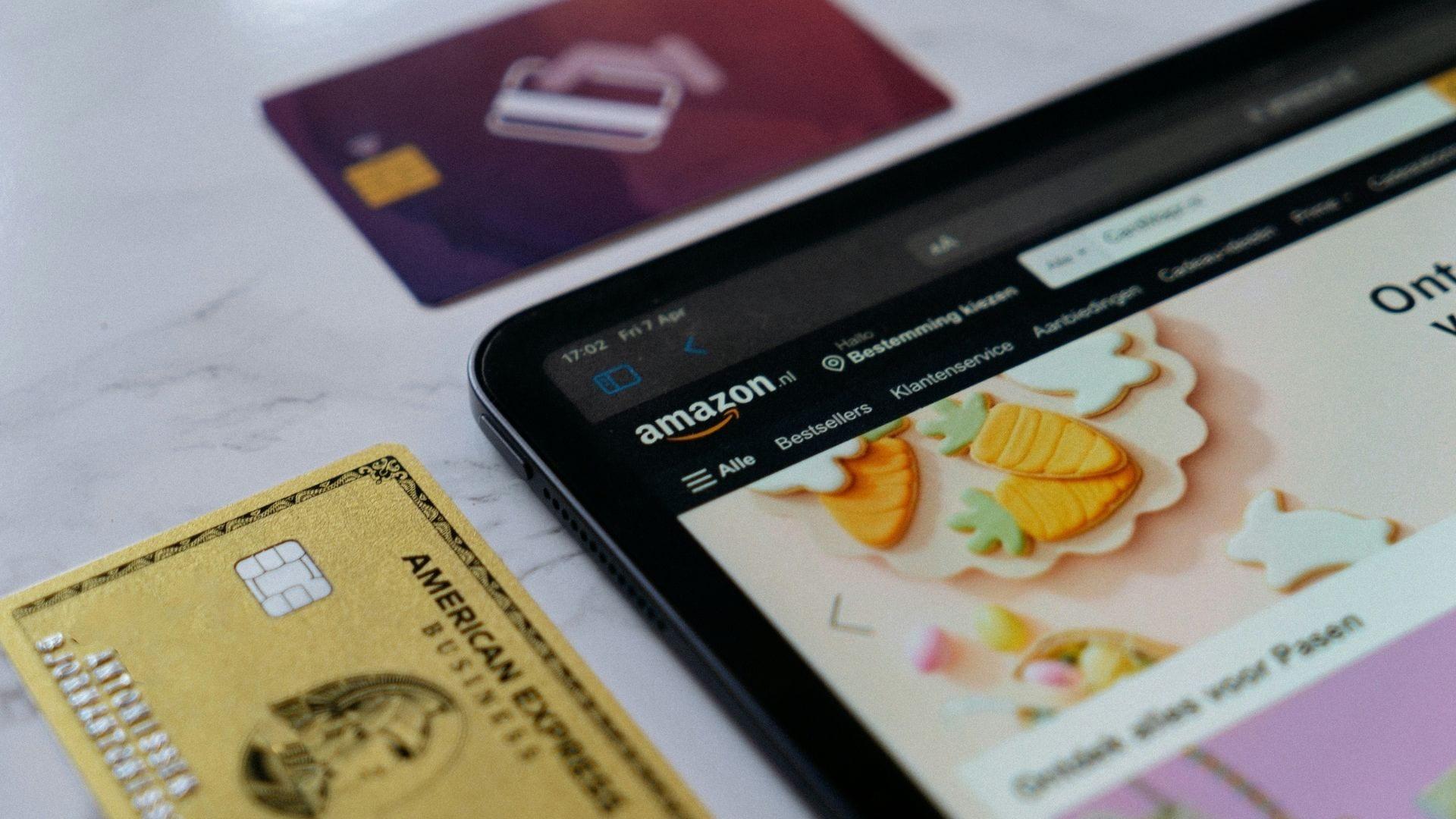
Replenishment subscriptions demonstrate the strongest retention characteristics across subscription categories. Access subscription models show the lowest churn, around 5% to 8% monthly, while replenishment subscriptions follow closely at 7% to 10%. The necessity-driven nature of the category is the primary driver: customers who run out of the product experience a direct inconvenience that reinforces the programme's value at exactly the moment it is most felt. Amazon Subscribe & Save in the UK operates on this logic, allowing customers to set delivery frequencies for consumables at a discounted rate, with the discount itself functioning as a loyalty mechanic for consistent subscribers.
Curation
Curation subscriptions deliver a recurring selection of products assembled on behalf of the customer, most commonly in a physical box format. The value proposition is discovery rather than convenience: customers subscribe to be introduced to products they would not have chosen independently. Beauty boxes, meal kits, book clubs, and hobby-focused subscription boxes all operate on this model.
Curation subscriptions face a structural challenge that replenishment subscriptions do not: novelty fatigue. The excitement that drives initial sign-up diminishes as subscribers grow more familiar with the category and more accustomed to the box format. Curation models average 10% to 15% monthly churn, and cumulative churn reaches 55% to 60% at six months for many services. Managing this requires continuous investment in product selection quality, personalisation, and the ongoing sense of discovery that the model depends on.
Access and Membership
Access subscriptions charge a recurring fee for the right to use a service, access a platform, or receive benefits that are otherwise unavailable. Amazon Prime is the canonical example in the UK: members pay an annual fee in exchange for expedited delivery, streaming content, exclusive deals, and a growing range of ancillary benefits. The multi-benefit structure is deliberately designed to ensure that cancelling the membership means forfeiting value across multiple dimensions of the customer's life simultaneously.
Access models produce the most durable loyalty of the three types. When the subscription is embedded in how a customer shops, consumes entertainment, and manages their household, the switching cost is not primarily financial but habitual and functional. Amazon Prime's renewal rate in the UK consistently exceeds 90%, reflecting the degree to which the membership has become structurally integrated into how subscribers live.
Why Subscriptions Drive Loyalty?
Subscriptions create loyalty through three reinforcing mechanisms that operate continuously throughout the subscriber relationship.
The first is convenience inertia. Once a subscription has been configured to match a customer's needs, discontinuing it requires active effort. The customer must seek an alternative, evaluate it, configure it, and tolerate the disruption of changing their established routine. This inertia is not lock-in in the contractual sense; it is the accumulated convenience of a system that already works, which creates a soft but durable resistance to switching.
The second is investment accumulation. Over time, a subscriber builds a history with the brand: preferences recorded, deliveries customised, feedback given, and product usage established. In curation models, the personalisation improves as the brand's understanding of the subscriber deepens. In access models, feature usage and stored preferences create a profile that would need to be rebuilt from scratch at a competitor. Each month of continued subscription adds to the accumulated investment.
The third is price and value internalisation. Annual subscribers, who account for a growing proportion of subscription revenue across categories, demonstrate significantly lower churn than monthly subscribers. Annual billing reduces churn by approximately 51% compared to monthly billing, and annual subscribers are 2.4 times more profitable over their relationship lifecycle. The upfront commitment changes how subscribers evaluate the ongoing relationship: having paid for a year, they are motivated to derive value from the subscription rather than evaluate whether to continue it each month.
How to Combine Subscriptions with a Loyalty Programme?
A loyalty programme integrated with a subscription model addresses the primary commercial vulnerability of subscription commerce: early-period churn. Forty-four percent of subscription cancellations occur within the first 90 days, before the subscriber has fully internalised the programme's value. Loyalty mechanics that operate during this critical window accelerate value perception and create switching costs before the habitual relationship has had time to develop organically.
Points or credits earned on each renewal cycle create a financial incentive that accumulates alongside the subscription. A subscriber who has accumulated loyalty credits equivalent to a free month's subscription has a concrete financial reason to continue, independent of their satisfaction with the product itself. This mechanism is particularly effective at reducing cancellations in the trough period between initial enthusiasm and established habit.
Tier mechanics applied to subscription tenure reward length of relationship as a loyalty dimension in its own right. A subscriber who has maintained a subscription for twelve consecutive months should receive different recognition from one who enrolled last month. Tenure-based tier advancement communicates that the brand values continuity, not just spend volume, which is a fundamentally different and more relationship-aligned loyalty signal.
Loyalty programmes also create an alternative resolution path for dissatisfied subscribers who might otherwise cancel. A subscriber who is considering cancellation due to product dissatisfaction can be routed toward a skip or pause mechanic with a loyalty points credit rather than toward the cancellation flow. This intervention reduces voluntary churn without requiring a discount, preserving margin while extending the relationship.
Reducing Subscriber Churn
Subscription churn reduction requires separating voluntary churn from involuntary churn and addressing each with distinct interventions.
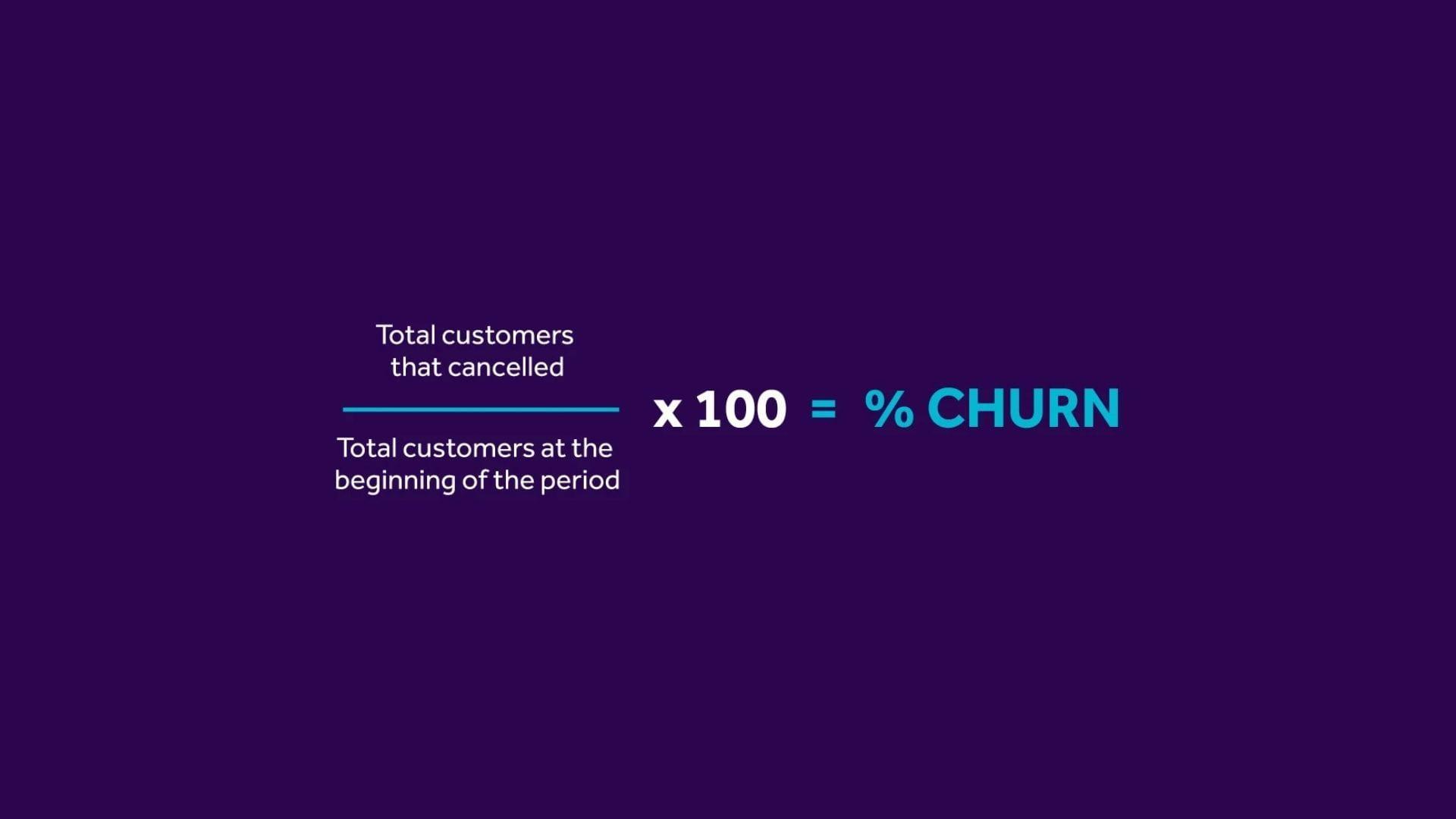
Involuntary churn, caused by payment failures, accounts for 20% to 40% of total subscription churn. Automated payment retry logic, pre-dunning communications that prompt subscribers to update payment details before a billing failure occurs, and SMS-based payment recovery flows all address involuntary churn without requiring any change to the subscriber relationship itself.
Voluntary churn requires a deeper intervention. The most effective approaches combine flexible subscription management, personalised win-back offers, and loyalty programme mechanics that raise the cost of cancellation. Offering a pause option rather than only a cancel option reduces cancellations by 18%, because many subscribers who cancel are responding to a temporary change in circumstance rather than permanent dissatisfaction. A paused subscriber who returns is retained at a fraction of the cost of reacquiring a churned one.
Behaviour-based messaging, personalised communications triggered by engagement signals such as declining delivery acceptance rates or reduced app activity, reduces churn by 17% when deployed proactively rather than reactively. Identifying subscribers who are approaching disengagement before they reach the cancellation decision is the same predictive logic that governs effective churn management in any subscription context.
Subscription Commerce Examples from UK Brands
Graze, the UK's most popular subscription box brand, built its retention model around personalisation from the first interaction. Subscribers rate each product they receive, and that feedback directly determines the contents of future boxes. The feedback loop creates progressive personalisation that improves with tenure, making long-standing subscribers significantly more satisfied than new ones. Graze also uses its data asset to identify at-risk subscribers and apply targeted retention incentives before they reach the cancellation point.
Gousto uses AI-driven recipe personalisation to match weekly selections to individual household preferences, dietary requirements, and cooking time constraints. Its forecasting infrastructure allows accurate daily order planning that reduces delivery delays, one of the most common drivers of meal kit churn. By reducing friction at the operational level, Gousto extends the honeymoon period that new subscribers experience before novel fatigue begins to apply.
Birchbox UK operates a beauty curation model where subscribers complete a detailed beauty profile at enrolment. The profile data governs product selection and improves as feedback accumulates. Birchbox's loyalty programme awards points for product reviews, social sharing, and profile updates, creating engagement mechanics that serve dual commercial purposes: they improve the personalisation quality of future boxes while increasing the subscriber's investment in the programme.
Amazon Prime remains the benchmark access subscription in the UK, with 13.3 million subscribing households in 2024. Its multi-benefit architecture, combining delivery, streaming, exclusive pricing, and pharmacy services, means that Prime membership is woven into the fabric of daily household activity rather than functioning as a single-category subscription.
KPIs to Track Subscription Loyalty
- Monthly churn rate is the primary operational metric for any subscription business. The benchmark varies by model: replenishment subscriptions should target below 7%, curation models below 10%, and access models below 5%. A monthly churn rate above 2% creates a structural profitability problem: at 5% monthly churn, the entire subscriber base turns over every 20 months, making efficient acquisition economics nearly impossible to sustain.
- Subscriber lifetime value (LTV) should be calculated as average monthly revenue per subscriber, multiplied by gross margin, divided by monthly churn rate. This formula makes the interaction between pricing, margin, and retention visible as a single figure and allows direct comparison between the commercial value of different subscriber cohorts.
- Days to second renewal measures how quickly a new subscriber converts from the initial sign-up to the first automatic renewal. Subscribers who reach the first renewal without cancelling have demonstrated a commitment signal that significantly predicts longer retention. Shortening the window between sign-up and first renewal, through rapid value delivery and loyalty programme activation, reduces the proportion of subscribers who churn before the relationship is established.
- Pause-to-cancel conversion rate tracks how frequently a paused subscriber eventually returns to active status. A high conversion rate validates the pause mechanic as a genuine retention tool rather than a delayed cancellation. A low rate indicates that the pause option is primarily being used as a deferred exit, which requires either better intervention during the pause period or redesign of the pause offer itself.
- Active loyalty engagement rate among subscribers measures the proportion of the subscriber base that is interacting with the loyalty programme's earn and redeem mechanics. A high engagement rate indicates that the loyalty mechanic is adding value to the subscription relationship; a low rate indicates that the programme is not creating sufficient pull to influence subscriber behaviour, which is often a sign of misaligned reward design rather than programme irrelevance.