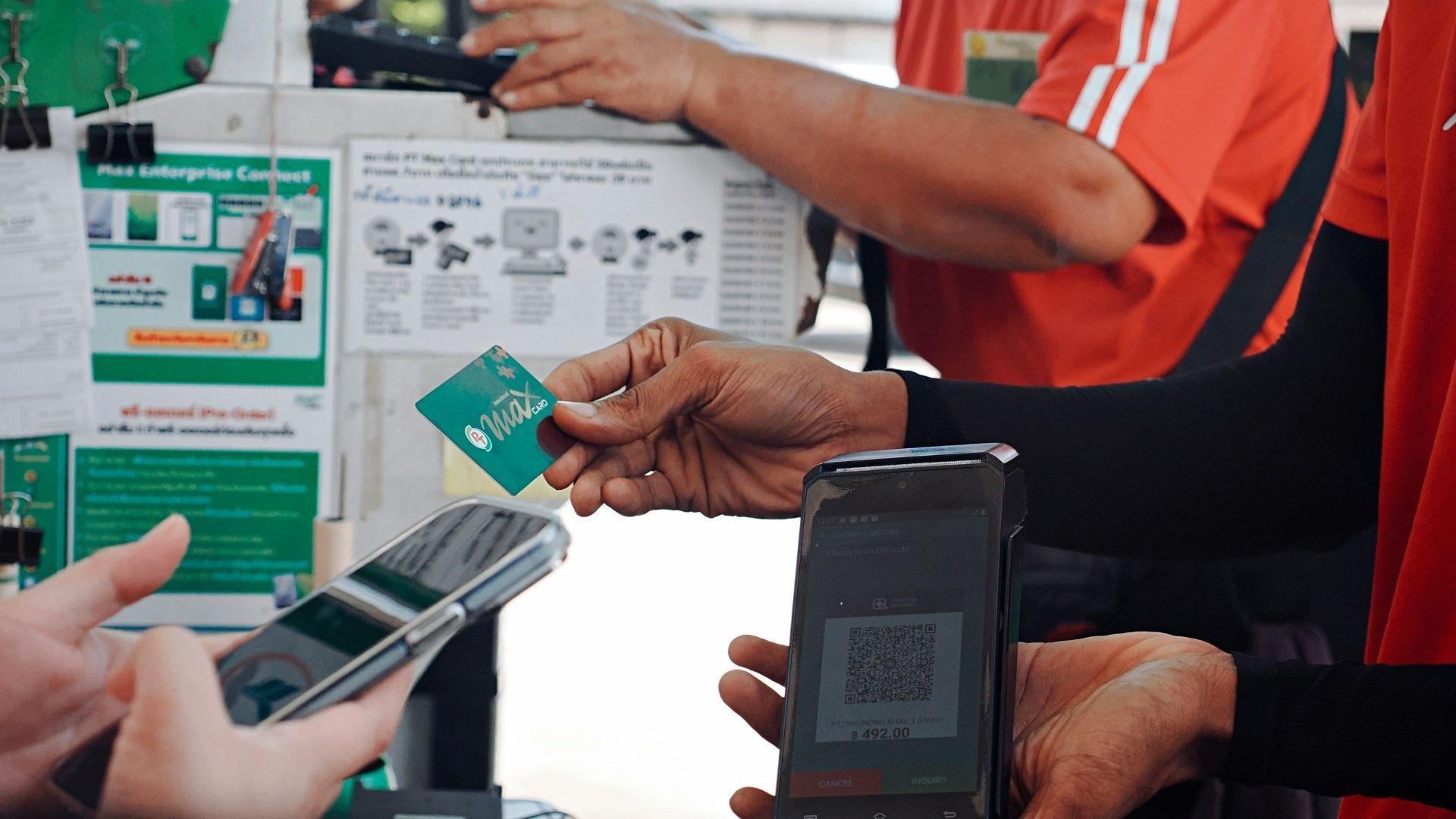

Customer loyalty is the cornerstone of sustainable business growth. Loyal customers spend more over time, return more often, and are far more likely to recommend a brand to others. In an environment where acquiring new customers is increasingly costly and competitive, focusing on loyalty delivers higher lifetime value and stronger retention.
Building loyalty is not about occasional promotions or one-off discounts. It requires a deliberate strategy that strengthens emotional connection, removes friction, and rewards customers for returning again and again.
Below are proven approaches to building customer loyalty that create value for both brands and customers.
Understand What Drives Loyalty
Loyalty begins with understanding what customers value. Brands that listen to their audience build stronger loyalty because they design experiences that match real needs rather than assumptions.
Key elements to understand include:
Why customers choose your brand
What frustrates them in the experience
What keeps them returning
Which rewards feel meaningful
Use customer feedback, surveys and behaviour data to gain insight. A loyalty strategy grounded in authentic customer needs resonates more deeply and drives repeat behaviour.
Deliver an Exceptional Customer Experience
Customer experience is the foundation of loyalty. When customers feel valued and understood, they are more likely to return. Focus on these experience drivers:
Consistent quality
Whether a customer shop online or contact support, consistency builds trust.
Ease of use
Remove friction in navigation, checkout and communication. A smooth experience encourages repeat visits.
Responsive support
Quick, helpful responses to problems strengthen trust and reduce frustration.
Clear communication
Customers appreciate transparency about products, policies and expectations.
A positive experience at every touchpoint turns occasional buyers into repeat customers.
Design a Clear Loyalty Programme
A well structured loyalty programme rewards desired behaviours and reinforces repeat engagement.
Core principles of a strong loyalty programme include:
Simple earning mechanisms
Customers should clearly understand how they earn rewards. Complicated points systems discourage participation.
Relevant rewards
Rewards must feel useful. Consider experiences, personalised offers or value exchanges that reflect customer preferences.
Multiple ways to earn
Encourage engagement beyond purchases. Earn points for social shares, reviews or referrals.
Easy redemption
Reducing barriers to redeeming rewards increases perceived value and encourages repeat use.
Loyalty programmes that feel fair and straightforward build trust and participation over time.

Personalise the Experience
Personalisation demonstrates that a brand sees the customer as an individual, not an anonymous buyer. Use data to tailor communication and offers, such as:
Product recommendations based on past purchases
Reward reminders when a customer nears a milestone
Exclusive offers tied to behaviour
Birthday or anniversary messages
Personalised experiences make customers feel known and appreciated, which strengthens emotional loyalty and repeat engagement.
Communicate Regularly and Meaningfully
Communication is a key driver of loyalty — but frequency alone is not enough. Loyal brands engage customers with relevant and timely messages.
Consider these approaches:
Lifecycle messaging
Send welcome messages after sign up, updates after purchase and reminders before reward expiry.
Value-driven content
Share tips, stories or information that supports customer interests, not just promotions.
Behaviour-timed nudges
Encourage next steps based on behaviour, such as abandoned basket reminders or points balance notifications.
Communication that feels helpful rather than intrusive increases engagement and deepens relationships.
Reward More Than Purchases
Customers engage with brands in many ways beyond buying. Loyalty increases when brands recognise a broader range of behaviours:
Reviews and feedback
Reward customers for leaving reviews or completing surveys.
Referrals
Encourage customers to recommend the brand with mutual benefit incentives.
Social engagement
Reward those who share content, participate in challenges or engage in community spaces.
This approach turns engagement into a two way relationship. Brands that recognise interaction — not just transactions — create more reasons for customers to return.

Build Emotional Connection
Price and convenience influence purchase decisions, but emotional connection influences loyalty. Customers stick with brands they admire, trust and feel connected to.
Ways to build emotional loyalty include:
Brand purpose
Communicate what your brand stands for and how it aligns with customer values.
Recognition
Highlight loyal customers through shout-outs, exclusive access or community features.
Consistency
Reliable experiences build comfort and trust over time.
Transparency
Honest communication, even during challenges, strengthens credibility.
Emotional connection turns a functional relationship into a lasting one.
Use Feedback to Improve
Feedback is not just data. It is a conversation. Brands that listen and act on feedback show customers that their voice matters.
Collect feedback through:
Surveys
Reviews
Post-interaction follow-ups
NPS or satisfaction scores
Respond to insights with improvements and let customers know changes were made because they spoke up. This reinforces the idea that loyalty is mutual.
Encourage Community and Advocacy
Loyal customers often become advocates. Encouraging community — whether through online forums, social groups, or user generated content — makes customers feel part of something bigger.
Advocacy programmes extend loyalty beyond the brand. Customers who advocate bring new customers and reinforce their own commitment through public endorsement.
Continuously Measure and Optimise
Loyalty is not static. Effective programmes evolve with customer needs. Track metrics such as:
Repeat purchase rate
Customer lifetime value
Churn rate
Loyalty programme participation
NPS or satisfaction scores
Use these insights to refine rewards, communication, and experiences. Testing changes and measuring impact ensures accountability and continuous improvement.

Align Loyalty with Brand Identity
A loyalty strategy should reflect the brand’s identity, values and customer promise. When loyalty feels like a natural extension of the brand rather than a bolt-on tactic, customers respond more positively.
For example, brands emphasising community can design loyalty around shared experiences. Brands focused on convenience can reward for habitual behaviour.
Alignment ensures that loyalty initiatives feel authentic and consistent with broader brand expectations.
Final Thoughts
Building customer loyalty is a long-term commitment, not a series of short-term promotions. Strong loyalty strategies combine excellent experience, personalised engagement, meaningful rewards and data driven optimisation.
When customers feel valued, understood and rewarded in ways that matter to them, loyalty becomes a natural outcome rather than a forced metric. Investing in loyalty not only improves retention and lifetime value but strengthens brand resilience in competitive markets.