
Retail loyalty looks stronger than ever on paper!
- Most shoppers belong to at least one loyalty program, and 84% say they are more likely to shop with brands that offer one.
- Members also tend to spend more, often 12–18% higher than non-members.
At the same time, loyalty itself is becoming harder to sustain.
- “True loyalty” (customers who consistently return and actively choose the brand) fell to 29% after years of steady growth.
So retailers face a strange paradox. Participation in loyalty programs continues to grow, yet genuine loyalty becomes more fragile.
The explanation rarely appears in dashboards. It happens somewhere far more ordinary.
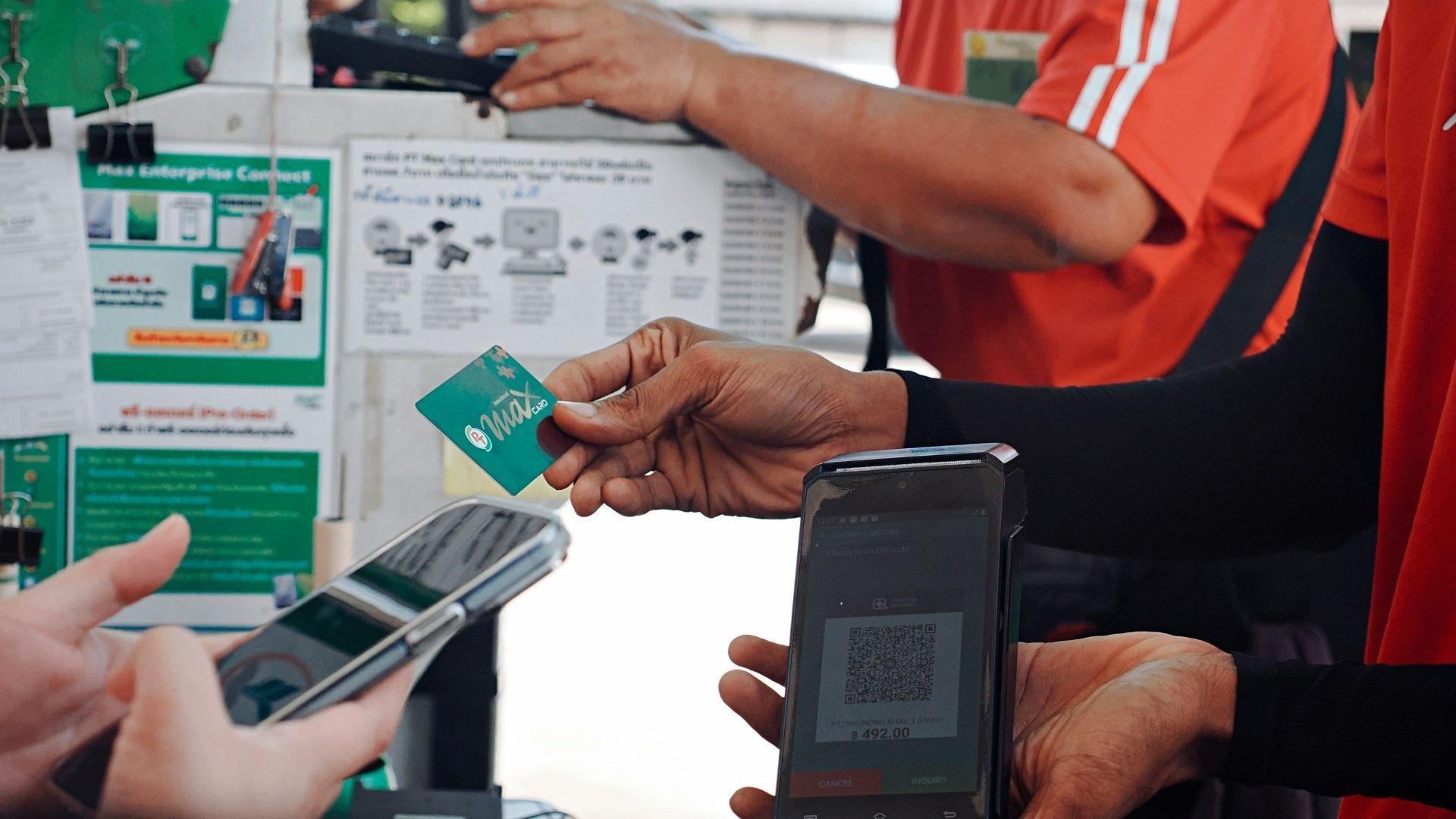
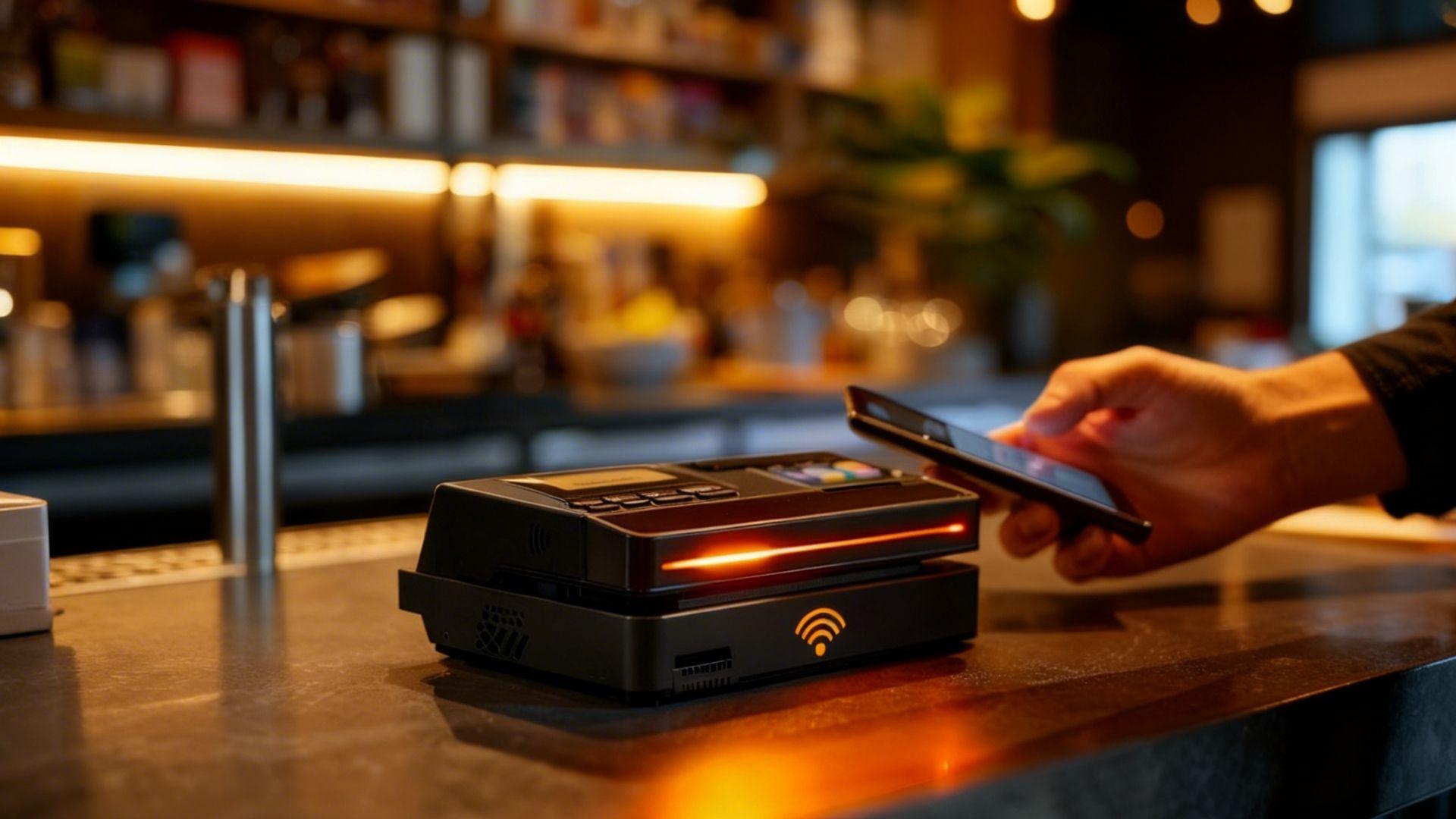
A customer reaches the register. A barcode is scanned. A phone number is entered. The system pauses for a moment while the queue grows behind them.
For the customer, that moment answers a simple question: Does the brand recognise them?
Most loyalty strategies are designed in digital environments. The real test happens somewhere else. Where? Let’s find out!
Only 1 in 4 Loyalty Members Feel Recognised In-Store. What Happens to the Other 75% at Checkout?
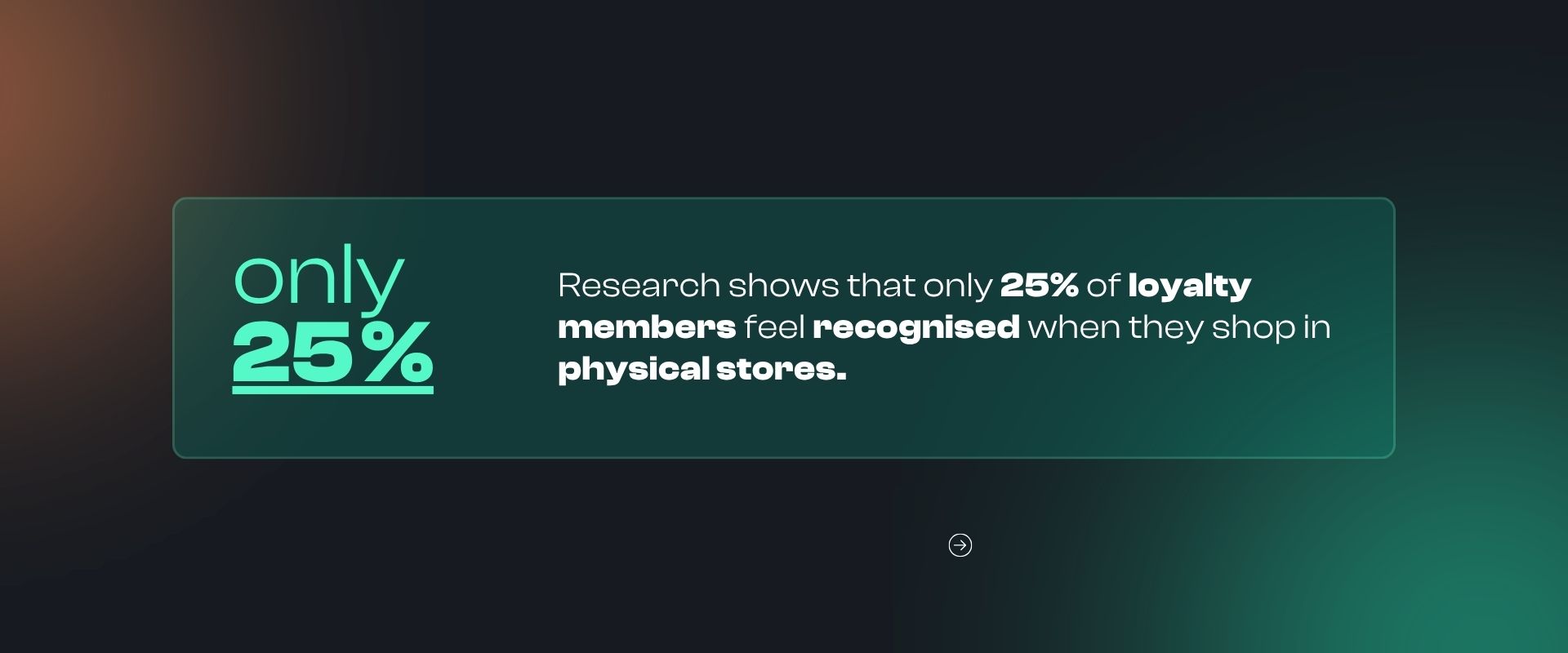
The rest move through the same checkout flow as everyone else, even though they belong to a loyalty program designed to reward and recognise them.
For retailers, this gap rarely appears in dashboards. Loyalty programs report strong membership growth, app engagement, and campaign participation. On paper, the program looks healthy. The checkout moment tells a different story.
Recognition depends on how POS integration in loyalty programs performs in real time.
Behind the register, two very different worlds have to cooperate.
- Loyalty platforms are designed as modern digital systems, built for mobile apps, APIs, and real-time data processing.
- Store checkouts often rely on POS environments that were installed years earlier, sometimes customised heavily to fit local operations.
When these two systems communicate perfectly, the customer is recognised instantly, and rewards apply without friction. When they struggle to synchronise, even a simple action such as validating a voucher or retrieving a points balance can slow the transaction down.
If the point-of-sale system can’t instantly recognise the customer, validate rewards, or apply benefits during the transaction, loyalty effectively disappears at checkout.
Customers interpret this moment very simply.
If points do not appear, if the reward cannot be redeemed, or if the cashier cannot see the benefit, the loyalty program feels unreliable. Participation drops quietly. Customers stop scanning, cashiers stop asking, and the program loses the behavioural signals that support personalisation and retention.
Operational pressure makes the situation more visible.
During busy hours, store teams prioritise speed. If POS integration in loyalty introduces delays or extra steps, staff naturally bypass the loyalty flow to keep the queue moving. What begins as a technical friction point gradually becomes a behavioural shift across the store network.
When recognition works instantly at checkout, loyalty becomes part of the transaction itself. When it fails, the program remains visible in the app but absent where purchase decisions actually happen.
Retail Challenge: Why Loyalty Logic Breaks Across Markets?
Retail loyalty programs are usually designed at headquarters. The rules look consistent, the rewards structure is clear, and the customer journey appears identical across markets.
The store environment tells a different story.
- POS systems vary widely between regions.
- Some stores run modern cloud-based checkouts, while others still operate on older hardware with customised integrations built over many years.
- Payment flows differ.
- Network stability differs.
- Even the speed at which transactions move through the register can change from one market to another.
A loyalty program that performs smoothly in one country can behave very differently in another.
POS integration in loyalty programs depends on how quickly the checkout system can identify the customer, verify eligibility, and apply the reward within the transaction window. When those capabilities vary across markets, loyalty logic begins to fragment.
From the customer’s perspective, the experience becomes inconsistent. A reward that works instantly in one store may fail or require manual intervention somewhere else. For the organisation, the consequences are harder to detect.
Retail dashboards may show similar membership numbers across regions, yet recognition rates at checkout can vary significantly.
One market captures loyalty IDs consistently while another struggles to apply rewards in real time. The program appears unified, but the operational reality differs from store to store.
This is where POS integration in loyalty stops being a technical discussion and becomes a commercial one.
When loyalty logic does not align with the operational realities of each market, redemption drops, recognition weakens, and loyalty programs lose the ability to influence behaviour at the moment of purchase.
Retailers that scale loyalty successfully treat localisation as part of system design. Loyalty rules adapt to the capabilities of each POS environment so that recognition, redemption, and customer identification work reliably wherever the transaction happens.

Contextual Loyalty Recognition: Turning POS Integration Into Revenue
Loyalty recognition, delivered at the right moment, does more than validate a points balance. It shapes behaviour, nudges choices, and increases the value of the transaction itself.
Consider this: a timely reward suggestion or a tier milestone prompt during checkout can lift basket size by 5–10%.
The effect is the difference between loyalty as a digital badge and loyalty as a commercial engine.
Context matters.
- A customer buying their usual items is more likely to respond to a relevant reward or suggestion than a generic pop-up.
That’s why modern loyalty programs link customer profiles, purchase history, and real-time basket context directly to POS integration. Recognition is no longer just about redemption; it’s about influencing behaviour while the sale is happening.

The commercial logic is that knowing every second counts. If the reward surfaces too late or requires manual intervention, the moment passes.
The checkout becomes a transactional blur rather than a strategic touchpoint. When recognition is instant, relevant, and context-aware, it nudges higher spend, reinforces engagement, and generates data that feeds future personalisation.
Retailers' successful recognition reinforces the customer’s perception that the brand understands them, and that perception compounds over time into repeat visits, larger baskets, and deeper loyalty.
How can brands utilise this?
- Build a lean POS-facing profile for real-time customer recognition logic.
- Pre-compute eligible offers to reduce live decision time at checkout.
- Limit prompts to one or two actions that fit the queue speed.
- Measure basket uplift from contextual prompts alongside latency impact.
- Use data liquidity SLAs to keep offers inside the checkout time window.
Store Execution Decides Loyalty ROI
Even the best loyalty program is only as strong as the people running it on the ground. Store associates are the gatekeepers of loyalty ROI.
Every extra step, delay, or unclear prompt at checkout chips away at the program’s effectiveness. If staff cannot trust the system to recognise members instantly, they stop asking for IDs, skip validations, and default to workarounds that preserve transaction speed, but erode loyalty signals.
This isn’t a rare occurrence. During peak hours, operational pressure forces choices. Speed comes first. Loyalty second. Over time, those small adaptations become the norm, quietly lowering recognition, redemption rates, and customer satisfaction.
POS integration in loyalty programs only solves half the problem. How the system is used in real life determines whether recognition turns into repeat behaviour or disappears before the receipt prints.
Simple interventions have an outsized impact. Short, clear prompts for staff, one-click redemption flows, and quick troubleshooting guidance keep loyalty visible at the moment it matters. Monitoring store-level KPIs like ID capture, redemption completion, and issue resolution turns operational reliability into measurable growth.
In short, loyalty strategy lives in execution. Technology can enable it, but store behaviour decides whether it succeeds or leaks ROI every day.
A good real-life example of this case might be Sephora. While Sephora’s Beauty Insider program is strong in concept (with tiered benefits and personalisation) real customer feedback from in‑store experiences tells a more mixed story.
Some customers report inconsistency with staff help, recognition, and execution of rewards at the counter, noting that associates may be less attentive or unsure how to apply benefits, which can undermine loyalty and purchase inclination.
These kinds of experiences show why even well‑designed loyalty programs can lose impact at the register when execution falters.
Conclusion: Infrastructure Is the New Brand Identity
In 2026, loyalty performance is determined by execution quality at checkout. Proposition design still matters, and marketing still matters, but neither can compensate for unreliable recognition at the register.
POS Integration Challenges now sit at the core of Retail Digital Transformation because they decide whether your Omnichannel Loyalty Strategy works under real-world constraints. The leadership question is no longer whether your program looks strong in digital channels. The real question is whether your systems can deliver consistent customer recognition logic in the seconds before payment.
The retailers that win will combine strong Loyalty Localisation, reliable store execution, and disciplined Retail Data Parity across markets. That is what turns loyalty from a campaign expense into a durable growth engine and protects Loyalty ROI over time.
If your loyalty strategy still fails at the cash register, start where the leakage happens. Fix the checkout flow, strengthen the infrastructure, and build outward.
Explore how Kaizen helps retailers turn checkout reliability into measurable loyalty ROI, stronger retention, and scalable omnichannel execution.