

Loyalty Programme Trends to Watch in 2026
Customer retention strategies are shifting rapidly. Point systems that once kept consumers coming back are no longer enough to secure long-term commitment. Today, shoppers expect immediacy, flexibility, and a deep alignment with their lifestyle choices.
As market dynamics grow more complex, customer acquisition costs continue to climb. This reality forces businesses to transform their reward structures from basic transactional incentives into holistic, relationship-driven systems. Navigating the changes requires understanding the major shifts defining customer engagement this year.
The following breakdown examines the key developments shaping the retention landscape in 2026 and how organizations can adapt to remain competitive.
AI-Driven Personalisation at Scale
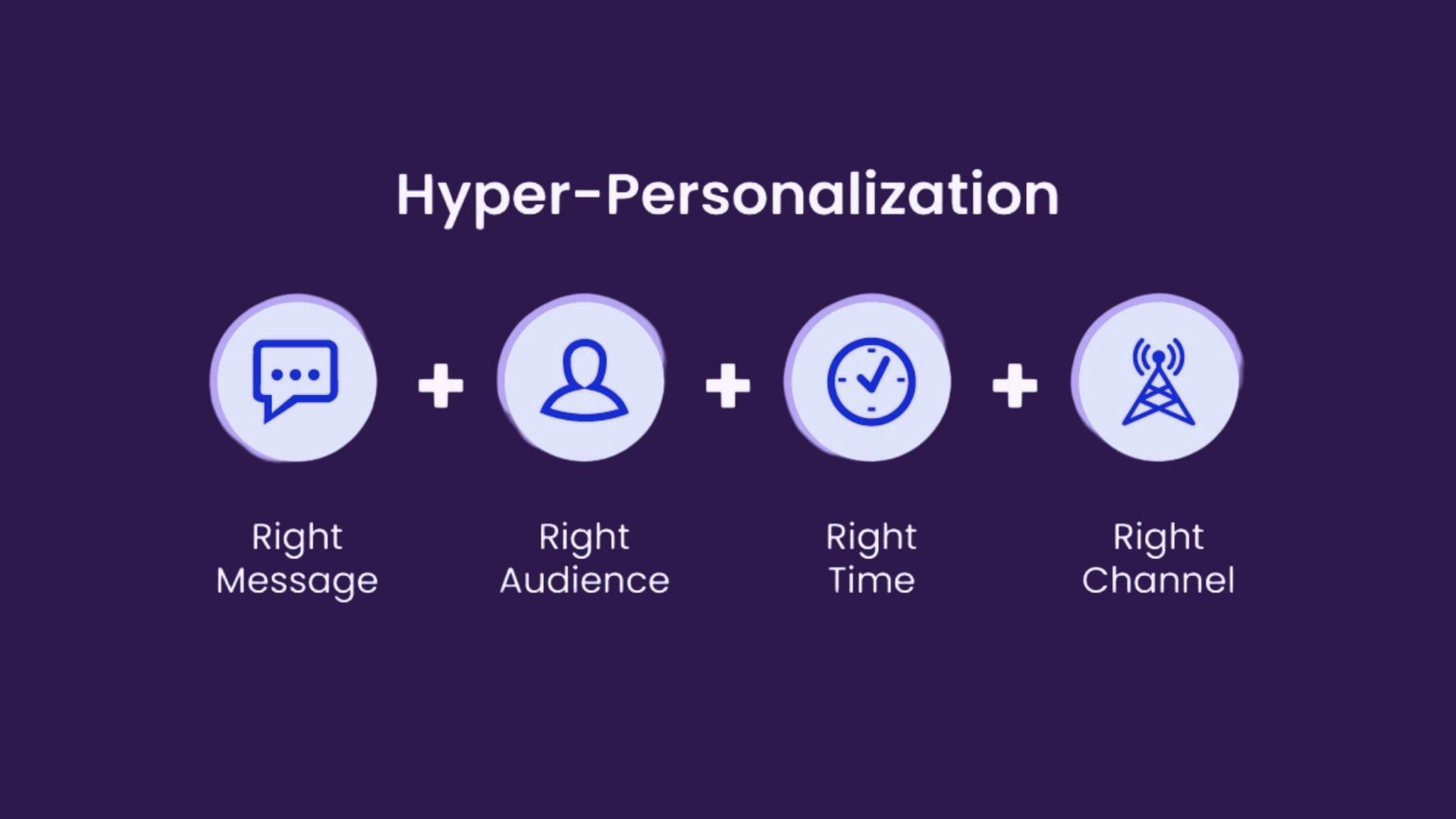
Mass marketing emails and generic discount tiers have lost their impact. In 2026, personalization is the core engine of successful customer retention. Modern systems rely heavily on predictive analytics and predictive segmentation to replace fixed schedules with real-time, context-aware interactions.
Instead of sending the same monthly coupon to an entire database, systems now use zero-party data—information customers willingly share about their preferences and intent—to build dynamic consumer profiles. Machine learning models analyze past purchases, browsing frequencies, and current contextual signals to determine exactly what type of incentive a specific individual needs at any given moment.
For instance, rather than offering a standard price reduction across an entire category, an optimized system predicts when a member is running low on a specific item. It then triggers an individualized offer immediately before the customer starts looking at alternatives. This transition from retrospective rewards to predictive assistance keeps brands highly relevant.
Furthermore, dynamic pricing and promotion optimization have become baseline operational standards. Incentives now adjust automatically based on purchase probability and margin protection boundaries. This ensures that highly loyal customers receive experiential perks that deepen their brand affinity, while price-sensitive users get targeted, margin-safe discounts that prevent churn. Moving away from rigid structures allows businesses to stop wasting promotional budgets on shoppers who would have purchased anyway, maximizing the fiscal return on every incentive distributed.
The Rise of Coalition & Partner Loyalty
Building an independent retention program from scratch has become incredibly expensive. This challenge has driven a significant increase in multi-partner collaboration and currency consolidation. Businesses are moving away from isolated, single-brand ecosystems in favor of shared networks where a single reward currency can be earned and redeemed across non-competing, complementary providers.
The commercial logic behind this shared approach is highly efficient:
- Shared Acquisition Costs: Partner networks reach profitability much faster than standalone setups because customer acquisition costs are split across the entire group.
- Increased Transaction Frequency: When a shopper can earn points at a local grocery store, accumulate more via a rideshare application, and then use those combined rewards for a flight, the perceived utility of the program skyrockets.
- Enhanced Data Ecosystems: Participating brands gain crucial insight into how their core customers spend money outside their specific industry, unlocking powerful opportunities for co-marketing campaigns.
Success in these shared networks depends on strict data governance frameworks and invisible technology integration. The most resilient setups are led by an anchor brand that handles the central software platform, clearing transactions and tracking point values in real time. For the consumer, the experience must be entirely frictionless, requiring a single sign-on, a unified balance, and clear exchange rules. By pooling resources with trusted partners, companies can offer a far richer selection of rewards without carrying the full financial burden alone.
Sustainability-Linked Rewards
Consumers are increasingly looking for brands that share their personal values. This shift has transformed environmental, social, and governance initiatives from minor corporate social responsibility projects into core drivers of customer retention. Modern reward architectures actively encourage and celebrate green behaviors.
Instead of only tracking dollars spent, progressive systems give members points for making sustainable choices. These include returning used packaging for recycling, opting for carbon-neutral shipping options, purchasing circular or refurbished items, or bringing reusable containers to physical locations.
Shift in Focus: The value proposition has expanded from purely functional savings to emotional validation, allowing consumers to feel good about where they spend their money.
Reward Redemption Choices in 2026
To match these changing behaviors, redemption options have also become much more flexible. Standard discount catalogs are frequently replaced or expanded by impact-focused choices, as outlined in the breakdown below:
| Eco-Action Earned | Strategic Reward Option | Long-Term Consumer Impact |
| Package Return | Direct Carbon Offsetting | Links everyday purchases directly to global climate solutions. |
| Eco-Friendly Shipping Selection | Verified Tree-Planting Donations | Builds visible, cumulative progress milestones within the member profile. |
| Circular Product Purchase | Charitable Foundation Grants | Lets members transfer earned value directly to local communities. |
This evolution helps insulate brands from pure price competition. When a customer knows that switching to a cheaper competitor means giving up their accumulated environmental progress, the cost of switching brands becomes much higher. Aligning incentives with positive real-world impact turns transactional shoppers into true brand advocates.
Embedded Loyalty Within Banking & Payment Apps
The digital wallet has evolved far beyond a place to store credit card data. With global digital wallet usage covering a major share of everyday transactions, payment software has transformed into interactive systems that merge identity, transactional tracking, and financial services.
This integration eliminates traditional checkout friction. Historically, shoppers had to open a separate app, scan a physical card, or type in a long account number to claim their rewards. Embedded finance solves this by linking the reward system directly to the payment method itself.
This setup enables valuable real-time features:
- Pay With Points: Members can turn point balances into direct statement credits with a single tap immediately after a transaction occurs.
- Instant Checkout Conversions: Digital payment terminals automatically ask users if they want to use their rewards balance to cover the bill right at the counter.
- Location-Aware Offers: Proximity sensors trigger relevant mobile notifications when a member is near a partner store, driving immediate foot traffic.
Moving the reward infrastructure directly into the financial layer allows brands to be present throughout the entire consumer journey. It guarantees that incentives are always easy to access, keeping the program top-of-mind exactly when spending decisions are being made.
What These Trends Mean for Mid-Market Brands
Mid-market enterprises face unique pressures in 2026. They must compete with the massive engineering budgets of global market leaders while working with limited internal resources and smaller tech teams. However, these trends also create significant opportunities for mid-market businesses that are agile enough to move quickly.
To compete effectively without overextending budgets, mid-market leaders are moving away from rigid, all-in-one software suites. Instead, they are adopting composable, API-first loyalty infrastructure. This modular approach allows businesses to plug specialized personalization tools, gamification systems, and reward networks directly into their existing point-of-sale setups without a full system overhaul.