

Cashback Rewards in Retail: How They Work & Why Shoppers Love Them
Loyalty programmes have been a staple of retail for decades, but not all reward mechanics carry equal weight with consumers. Cashback has quietly become one of the most compelling tools in a retailer's arsenal, and for good reason. In an era where household budgets are under constant pressure, the promise of getting real money back for everyday spending resonates in a way that abstract points simply cannot match. This guide unpacks how cashback works in retail, why it outperforms alternatives in certain contexts, and what it takes to build a programme that genuinely converts.
What Are Cashback Rewards?
Cashback rewards are a loyalty mechanic in which customers receive a percentage of their purchase value back as a monetary benefit. Unlike discounts applied at checkout, cashback is credited after the transaction — either to a digital wallet, a loyalty account, or directly to a bank account. The shopper spends money, and a portion of that spend is returned to them as usable value.
The concept is straightforward by design. There are no complex point conversions, no expiry puzzles, and no redemption thresholds that feel out of reach. A customer who spends £50 and earns 5% cashback receives £2.50 back. That clarity is central to cashback's appeal.
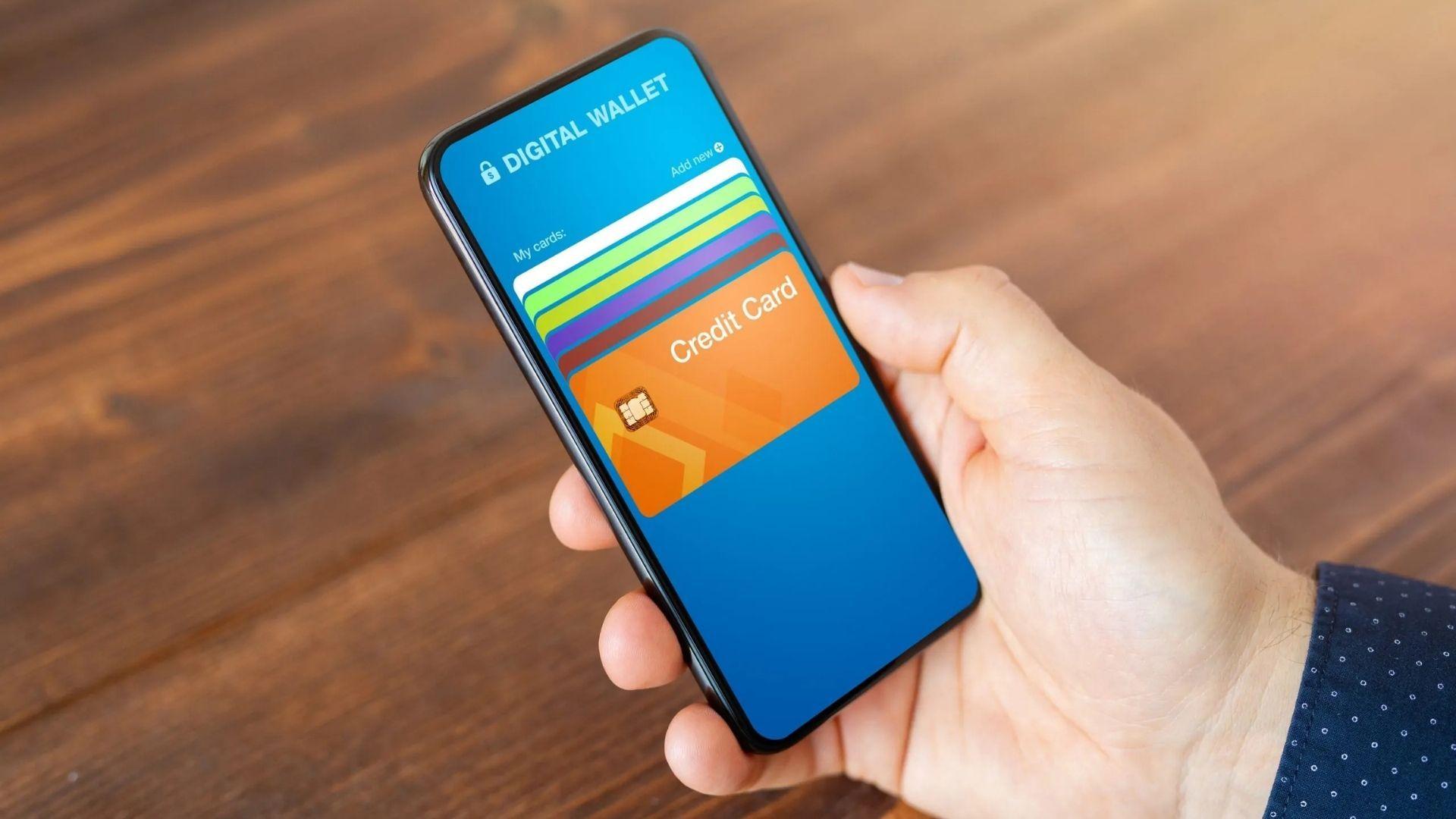
Cashback can take several forms in retail settings. Some programmes credit cash directly to a customer's account balance. Others issue store credit redeemable on future purchases. Some tie cashback to digital wallets or virtual "cashpots" that accumulate over time. The mechanics vary, but the psychological effect is consistent: shoppers feel that their money is working harder for them.
How Cashback Programmes Work in Retail?
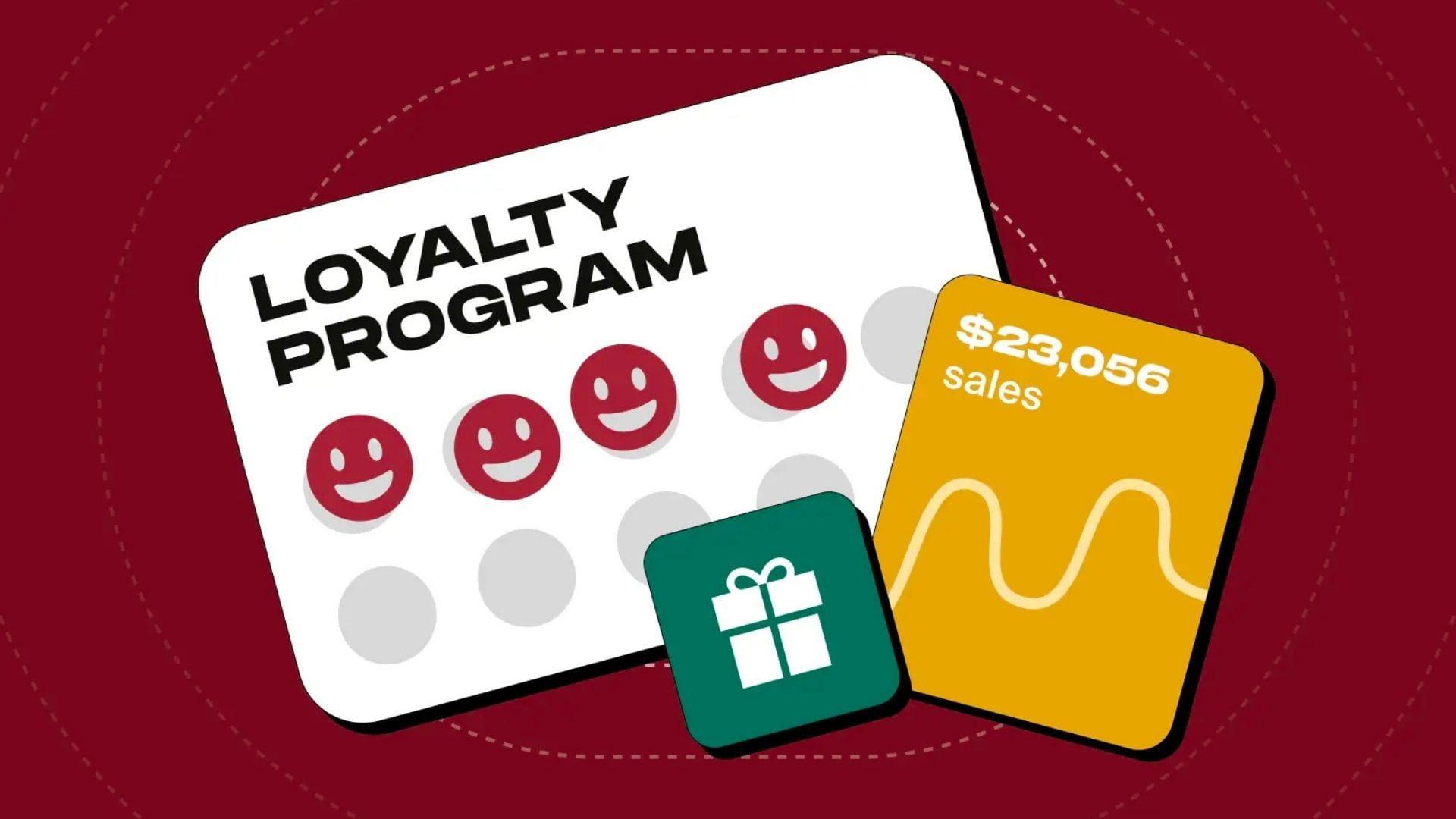
At its core, a retail cashback programme operates on a simple earn-and-redeem cycle. When a customer makes a qualifying purchase, the system records the transaction and credits a percentage of the spend to their account. That credit accumulates until the customer chooses to redeem it, or until it is applied automatically at the next purchase.
The percentage offered typically ranges from 1% to 10%, depending on the retailer's margin structure, category focus, and competitive positioning. Grocery retailers, operating on thin margins, tend to offer lower cashback rates but compensate with high purchase frequency. Fashion and beauty brands may offer higher rates as a conversion incentive, knowing that their customers shop less often.
Delivery mechanics also vary. Some programmes operate through a branded app where customers scan receipts or link payment cards. Others integrate directly with point-of-sale systems, crediting cashback automatically. The most seamless programmes use card-linked technology so that no manual steps are required from the customer.
Retailers often layer additional incentives on top of base cashback. Bonus cashback events tied to seasonal shopping peaks, category-specific multipliers, or new product launches can drive incremental spend without permanently expanding the liability of the base rate. These promotional overlays give the programme dynamism while keeping the core mechanics simple.
Cashback vs. Points: Which Model Wins?
The debate between cashback and points-based programmes is not new, but it has sharpened as consumers have become more sophisticated about the actual value they receive from loyalty schemes.
Points programmes have genuine advantages. They allow retailers to control redemption timing and perceived value. By creating a currency with a proprietary exchange rate, brands can offer rewards that feel generous while managing the actual cost carefully. Points also lend themselves well to tiered structures and gamified experiences, which can drive deeper engagement among highly motivated loyalty members.
However, points come with a transparency problem. Consumers increasingly recognise when a point is worth a fraction of a penny, and complicated redemption rules can quickly erode trust. When customers feel they need to decipher the value of their loyalty, the emotional benefit of the programme weakens.
Cashback, by contrast, wins on clarity. A customer always knows exactly what their rewards are worth, which makes the benefit feel more immediate and real. Research consistently shows that shoppers rate cashback among the most appealing loyalty incentives, particularly during periods of economic pressure. The cost-of-living environment across the UK has accelerated this preference, with shoppers actively seeking programmes where they can see concrete savings rather than abstract accumulations.
That said, the choice is not binary. Many successful programmes now combine both mechanics: a points framework for engagement and status recognition, with cashback as the primary reward currency. The key is to avoid layering complexity on top of the cashback element. If the cashback component requires extensive explanation, it loses its core advantage.
Benefits of Cashback for Retailers
The customer case for cashback is obvious. The retailer case is equally strong, though it operates across several dimensions.
The most immediate benefit is purchase frequency. When customers know that money is accumulating in their account, they have a concrete incentive to return and spend it. Unlike a generic discount that any shopper can access, cashback creates a personalised balance that belongs to an individual customer and pulls them back to a specific retailer.
Cashback programmes also generate first-party data. Every transaction linked to a loyalty account is a data point, and accumulated behavioural data allows retailers to personalise offers, optimise stock decisions, and identify high-value segments. The data advantage compounds over time and becomes a genuine competitive asset.
There is also a margin protection element. Promotional discounts, by their nature, reduce the price paid at the point of sale for every customer who encounters the promotion. Cashback, however, is only realised by active programme members, and a meaningful proportion of credits are never redeemed at all. This breakage, while not something retailers should engineer artificially, means that the effective cost of a cashback programme is often lower than equivalent blanket discounting.
Finally, cashback programmes support customer lifetime value. A shopper who earns and redeems cashback over multiple purchases develops a pattern of behaviour tied to a specific retailer. Switching to a competitor means forfeiting an accumulated balance, which creates natural retention without heavy-handed lock-in.
Building a Cashback Programme That Converts
The difference between a cashback programme that customers forget and one that drives consistent behaviour usually comes down to execution rather than concept.
Start with a meaningful earn rate. The cashback percentage needs to be high enough that customers feel the accumulation. A rate of 1% on a £30 transaction produces 30p, which is unlikely to motivate repeat visits. Most successful retail programmes find their sweet spot between 3% and 7%, calibrated against category margins.
Keep redemption frictionless. If customers need to navigate a complex process to access their cashback, they will disengage. The best programmes allow one-click redemption through an app or automatically apply the balance at checkout. The less thinking required, the higher the redemption rate and the stronger the felt benefit.
Make the balance visible. Customers should be able to see their accumulated cashback clearly and frequently. App push notifications, post-purchase receipts, and email updates that reference a customer's specific balance all reinforce the programme's value and prompt return visits.
Use promotional mechanics to create moments. A flat cashback rate maintains baseline engagement, but time-limited bonus events create urgency. Doubling cashback rates during a product launch or at the end of a loyalty quarter gives customers a reason to act now rather than at some indefinite point in the future.
Integrate across channels. Whether a customer shops in store, online, or through an app, the cashback balance should be unified. Fragmented loyalty accounts across channels undermine trust and reduce the perceived value of the programme.
Top UK Cashback Retail Examples
The UK retail landscape offers several instructive examples of cashback mechanics in action.
Asda Rewards has built its programme around what it calls "cashpots." Rather than issuing points, the app credits cash-equivalent rewards directly to a customer's balance, with the strapline "pounds, not points" making the value proposition explicit. The programme layers instant-redeem coupons, accumulated cashback, and promotional events to maintain sustained engagement.
Tesco Clubcard has evolved significantly from its origins as a points scheme. The retailer introduced member-only pricing that effectively operates as point-of-sale cashback for cardholders, complementing its traditional points earn. The combination of immediate price benefits and longer-term reward accumulation addresses both the cost-conscious and the loyalty-motivated shopper.
Boots Advantage Card remains one of the UK's most recognised loyalty programmes. While it uses a points mechanism, the earn rate (4 points per £1, with each point worth 1p) is communicated in a way that closely mirrors cashback thinking, and the app experience makes balance visibility straightforward.
Central Co-op launched a gamified membership app that incorporates cashback benefits alongside personalised promotions and daily engagement features, demonstrating how cashback can sit within a broader engagement architecture without losing its clarity.
How to Measure Cashback Programme ROI
Measuring the return on a cashback programme requires looking beyond simple redemption volume. The metrics that matter most are those that connect programme activity to commercial outcomes.
- Redemption rate tells you whether customers are engaged enough to act on their earned cashback. A high earn rate with low redemption may indicate either a friction problem in the redemption journey or insufficient balance visibility.
- Purchase frequency uplift measures whether enrolled members shop more often than comparable non-members. This is the primary commercial driver for most cashback programmes and should be tracked by cohort and over meaningful time horizons, not just in the weeks immediately following enrolment.
- Average order value among members versus non-members indicates whether the cashback incentive is influencing basket size. Some programmes drive frequency without meaningfully affecting basket size; others do both.
- Customer lifetime value is the ultimate measure. If members who actively use the cashback programme generate materially higher lifetime revenue than comparable non-members, the programme is working as a retention mechanism.
- Effective programme cost should account for breakage. Calculate the actual cash value of credits issued against the value of credits redeemed, and compare that net cost against the incremental revenue generated by enrolled members. A well-run programme should demonstrate a clear positive return on this basis within 12 to 18 months of launch.
Reporting should be reviewed at regular intervals rather than treated as a post-launch checkpoint. Cashback mechanics can be adjusted, earn rates refined, and promotional overlays optimised based on ongoing performance data. The retailers that extract the most value from cashback treat it as a dynamic commercial tool, not a static loyalty benefit.