

Product Differentiation Strategy: How to Make Loyalty the Key Differentiator in a Competitive Market
In most mature consumer categories, product parity is the uncomfortable reality. Two competing retailers may carry near-identical ranges. Two competing coffee chains may serve genuinely comparable drinks. Two SaaS platforms serving the same use case may be technically indistinguishable to the majority of buyers. When product quality, price, and distribution reach rough equivalence across a competitive set, the question of why a customer chooses you and stays with you shifts away from what you sell and toward how the relationship with your brand feels over time.
That shift is where loyalty programmes stop being a retention tactic and start being a genuine competitive strategy. A loyalty programme that is well designed, meaningfully personalised, and clearly communicated does something that few other marketing investments can claim: it creates a relationship with the customer that competitors cannot replicate simply by matching your price or copying your product features. It becomes, in the truest sense of the term, a differentiator.
This piece covers how to build that kind of programme, how to articulate its differentiation in your marketing, and how to measure whether it's actually working as a competitive advantage rather than a cost centre.
What Is Product Differentiation?
Product differentiation is the process by which a brand distinguishes its offering from competitors in ways that are meaningful to its target customers. The objective is to make the comparison between your brand and alternatives sufficiently favourable, on dimensions that the customer cares about, that your offering becomes the preferred or even the default choice.
Differentiation is not inherently about being objectively superior on every dimension. It's about being clearly better or clearly more relevant on the dimensions that matter most to the specific customer you're trying to win and retain. A brand that is marginally cheaper, significantly more convenient, notably better for a specific dietary requirement, or simply more emotionally resonant can each be differentiated in ways that matter commercially, even if the underlying product is broadly comparable to competitors.
The strategic question for any brand is not just how to differentiate but on which dimensions and in which direction. Price differentiation is the most visible but least durable. Feature differentiation is valuable but replicable. Experience and relationship differentiation, which is where loyalty programmes live, is considerably harder for competitors to copy quickly.
The Four Types of Differentiation
Price differentiation is the most familiar form: a brand competes on the basis of offering better value per pound, whether through lower prices, greater volume, or bundled deals. It's immediately legible to customers and easy to communicate, but it's also the form most vulnerable to competitive response. A competitor who matches your price has instantly erased the differentiation.
Product or feature differentiation relies on genuine functional advantages: superior performance, unique capabilities, better materials, proprietary technology, or exclusive content. This type of differentiation tends to be more durable than price, but it requires sustained investment in product development and is increasingly difficult to maintain in categories where innovation cycles are short and competitor imitation is fast.
Service and experience differentiation positions the brand on how the customer is treated throughout their journey, from purchase through to ongoing engagement. Exceptional customer service, frictionless delivery, generous return policies, and expert advice all fall here. This type of differentiation is harder to replicate because it is embedded in organisational culture and operational processes rather than a product specification.
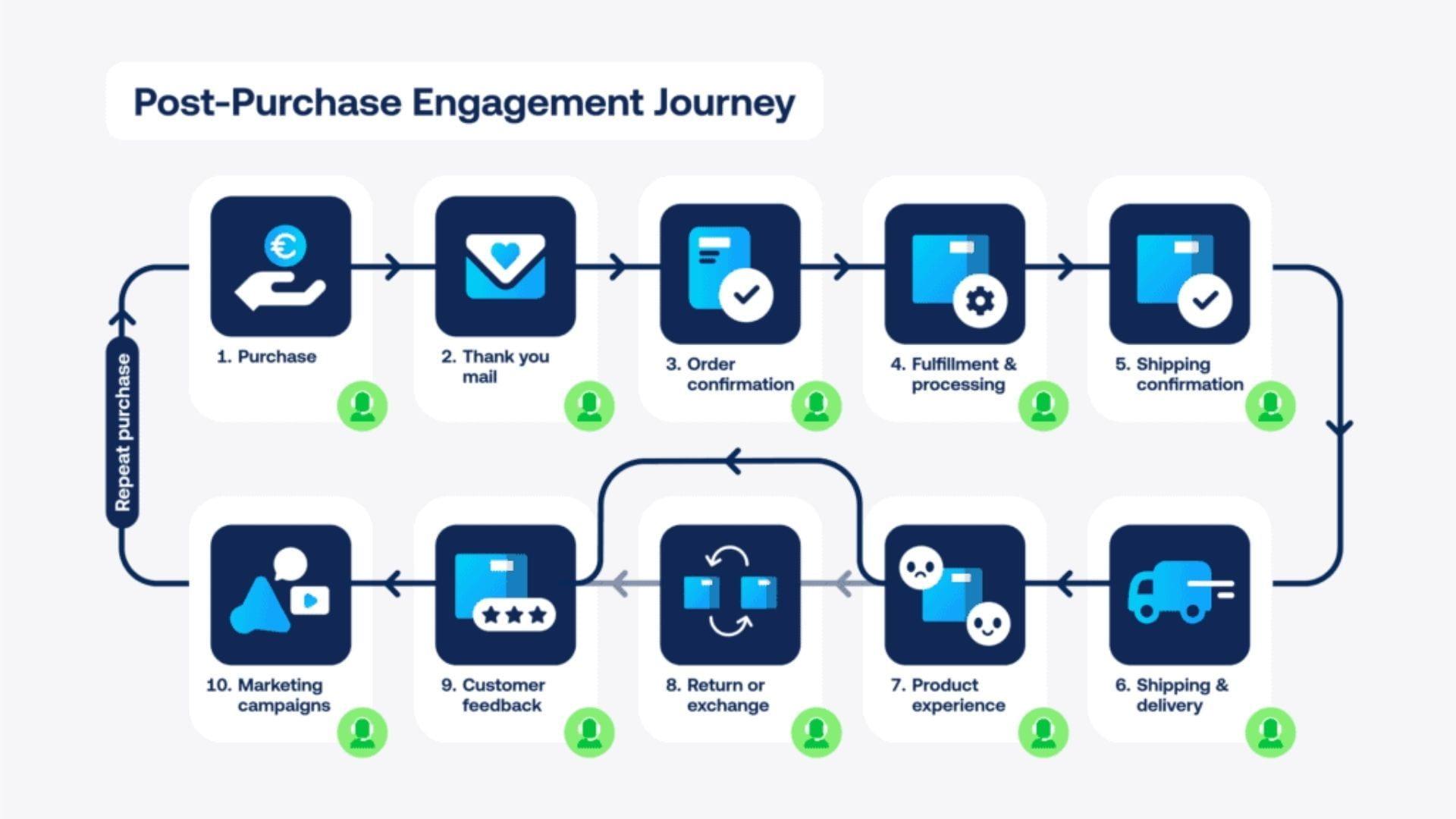
Relationship and loyalty differentiation is the fourth and arguably most durable type. It operates at the level of the ongoing relationship between the brand and the customer: what the brand knows about them, how it recognises them, what it offers them specifically because of their history with the brand, and what it would cost them, in terms of accumulated value and relationship depth, to switch to a competitor. This is the dimension on which a well-designed loyalty programme competes.
Why Loyalty Programmes Are a Sustainable Differentiation Strategy
A competitor can copy your price overnight. They can replicate a product feature in a development sprint. They can match your service policy in an afternoon. What they cannot do quickly, or cheaply, is replicate the data asset, the accumulated relationship history, and the emotional familiarity that a well-run loyalty programme builds between a brand and its members over time.
The switching cost that a loyalty programme creates is not simply the points balance that would be forfeited at departure. It's the loss of personalisation: the recommendations based on purchase history, the offers calibrated to individual preferences, the recognition that comes with being a known and valued customer. A member who has been with a programme for three years and receives genuinely relevant, personalised communications is walking away from a relationship that a competitor's programme cannot replicate at day one.
There is also a data flywheel effect. The more a customer engages with a loyalty programme, the richer the brand's understanding of their preferences, behaviours, and lifecycle stage. The richer that understanding, the more relevant the communications and offers become. The more relevant the experience, the more the customer engages. Over time, this creates a self-reinforcing advantage that compounds in the brand's favour and becomes increasingly difficult for a new entrant or a competitor with a thinner first-party data set to match.
This is what makes loyalty programme design a strategic investment rather than a tactical marketing spend. The return isn't just the transactions it drives in the short term; it's the competitive moat it builds over time.
How to Make Your Loyalty Programme a Genuine USP
The uncomfortable truth about most loyalty programmes is that they don't differentiate at all. A standard points programme, a basic tiered structure, and a welcome offer that every competitor also runs are not a USP. They're table stakes. A customer who participates in five similar programmes has no particular reason to prefer any one of them on the basis of the programme design.
Making a loyalty programme a genuine competitive differentiator requires a deliberate decision about which dimension of differentiation it will own, and then building the programme architecture and the marketing communication around that decision with enough consistency and depth that it becomes recognisable and credible.
The three most defensible differentiation dimensions within loyalty programme design are reward type, personalisation depth, and community and experience. Each creates a different kind of competitive advantage and requires a different design and operational approach.
Differentiation by Reward Type
Most loyalty programmes differentiate poorly on rewards because they offer the same types of rewards as every competitor: discounts, free products, and incremental earn rates. True reward differentiation requires offering something that competitors either don't offer or don't offer as well, and framing it clearly enough in marketing that the difference is visible to customers making a choice between programmes.
Experiential rewards are among the most powerful differentiators in this dimension. A programme that offers its members genuine experiences, early access to product launches, behind-the-scenes access to the brand's creative process, invitations to member-only events, or partnerships with complementary premium brands is offering something that a discount coupon from a competitor cannot match. Experiences are sticky in a way that transactional rewards are not, because they create memories and associations rather than a one-time economic benefit.
Cause-connected rewards are another differentiating option for brands whose customers are values-driven. A programme that allows members to convert their points into charitable donations, tree-planting initiatives, or community projects is offering a reward mechanic that is genuinely distinctive in most categories and that resonates strongly with specific customer segments. Done well, it also reinforces brand values in a way that other reward types don't.
The principle is that the reward type should reflect something authentic about the brand. A premium coffee company that offers experiential rewards aligned with craft and origin is differentiating in a way that feels coherent. A fast fashion brand that offers cause-connected rewards without genuinely addressing sustainability concerns is differentiating in a way that creates scepticism. Authenticity is the condition under which reward differentiation actually works.
Differentiation by Personalisation Depth
Personalisation is one of the most frequently claimed differentiators in loyalty marketing and one of the most rarely delivered. Most brands that claim to offer personalised experiences are offering segmented experiences: broad customer groups receive different generic communications rather than genuinely individual ones. Real personalisation, at the individual level based on actual behaviour and preference data, is considerably rarer and considerably more valuable as a differentiator.
The gap between claimed and delivered personalisation has become visible enough that customers now discount claims of personalisation unless the evidence in their own experience is clear. A member who receives an 'exclusive offer' that is clearly identical to what everyone else received is not a member who believes the brand's personalisation credentials. A member who receives a reward offer on the specific product category they purchase most, at the time of year when their purchase frequency peaks, delivered through the channel they consistently use, is a member whose experience substantiates the claim.
Achieving this level of personalisation requires investment in three things: first-party data collection through the programme itself, the analytical capability to translate that data into actionable segments and individual-level triggers, and the platform infrastructure to deliver personalised communications and offers at scale without manual intervention.
Brands that invest in all three, and communicate the resulting customer experience honestly in their marketing, can own personalisation depth as a genuine differentiator in their category. For most categories, the bar for this remains low because most competitors are still operating at the segmentation level rather than the individual level.
Differentiation by Community and Experience
The third differentiation dimension is the hardest to replicate and the most enduring when built well. A brand that creates genuine community around its loyalty programme is building a social infrastructure that competitors would need years to replicate, because community value is inherently cumulative and network-dependent.
Community differentiation in loyalty works when members have genuine reasons to connect with each other, with the brand, and with the programme beyond the transactional earn-and-redeem cycle. Shared interests, peer recognition, collaborative challenges, user-generated content platforms, and exclusive member forums can all contribute to a community layer that makes the programme feel like a membership in something meaningful rather than a points balance in a database.
Experience differentiation, closely related, is about designing the member journey to include moments that are genuinely memorable rather than purely functional. A beautifully executed birthday recognition, an unexpected upgrade for a long-standing member, a handwritten note with a high-value redemption, or an exclusive preview event for top-tier members are not expensive at the individual level but they create the kind of disproportionate emotional impact that sustains loyalty far beyond what the economic value of the reward would predict.
How to Communicate Your Loyalty Differentiation in Marketing
The most common communication failure in loyalty marketing is leading with mechanics rather than outcomes. Telling potential customers that they'll earn two points per pound spent, with a bonus tier at 300 points per year and a birthday reward at any tier, accurately describes the programme but does nothing to communicate why it's different or why it matters.
Effective differentiation communication leads with the member experience and the specific benefit dimension that the programme owns. If reward type is the differentiator, the marketing should make the experiential nature of the rewards vivid and specific: not 'earn rewards on every purchase' but 'access experiences money alone can't buy.' If personalisation depth is the differentiator, the communication should make the individual relevance tangible: 'offers built around your choices, not everyone else's.' If community is the differentiator, it should make the belonging feel real: show members interacting, sharing, and being recognised.
Existing members are the most credible communication channel for loyalty differentiation. Their genuine, unscripted endorsements of what the programme has meant to them, in their own language and from their own experience, are more persuasive to potential members than any marketing copy the brand could produce. Building referral mechanics and member testimonials into acquisition campaigns connects the loyalty programme's differentiation directly to its own growth, creating a channel that compounds its competitive advantage over time.
Measuring Differentiation Impact on Acquisition and Retention
Measuring whether a loyalty programme is functioning as a competitive differentiator rather than simply as a retention mechanism requires tracking a set of metrics that most programmes don't routinely monitor:
- Programme-attributed acquisition: what proportion of new customers cite the loyalty programme as a factor in their decision to choose the brand? This requires including programme awareness and appeal questions in post-acquisition surveys and tracking the conversion rate among campaigns that specifically feature the programme.
- Competitive switching data: among customers who have switched from a competitor, how many mention the loyalty programme as a factor in their decision? Customer interviews and win-back research are the most direct route to this data.
- Category share of wallet among programme members: are loyalty programme members spending a greater proportion of their category budget with your brand than non-members or members of competitor programmes? Share of wallet, tracked over the member lifecycle, is one of the clearest indicators of whether the programme is creating genuine preference rather than simply rewarding existing spend.
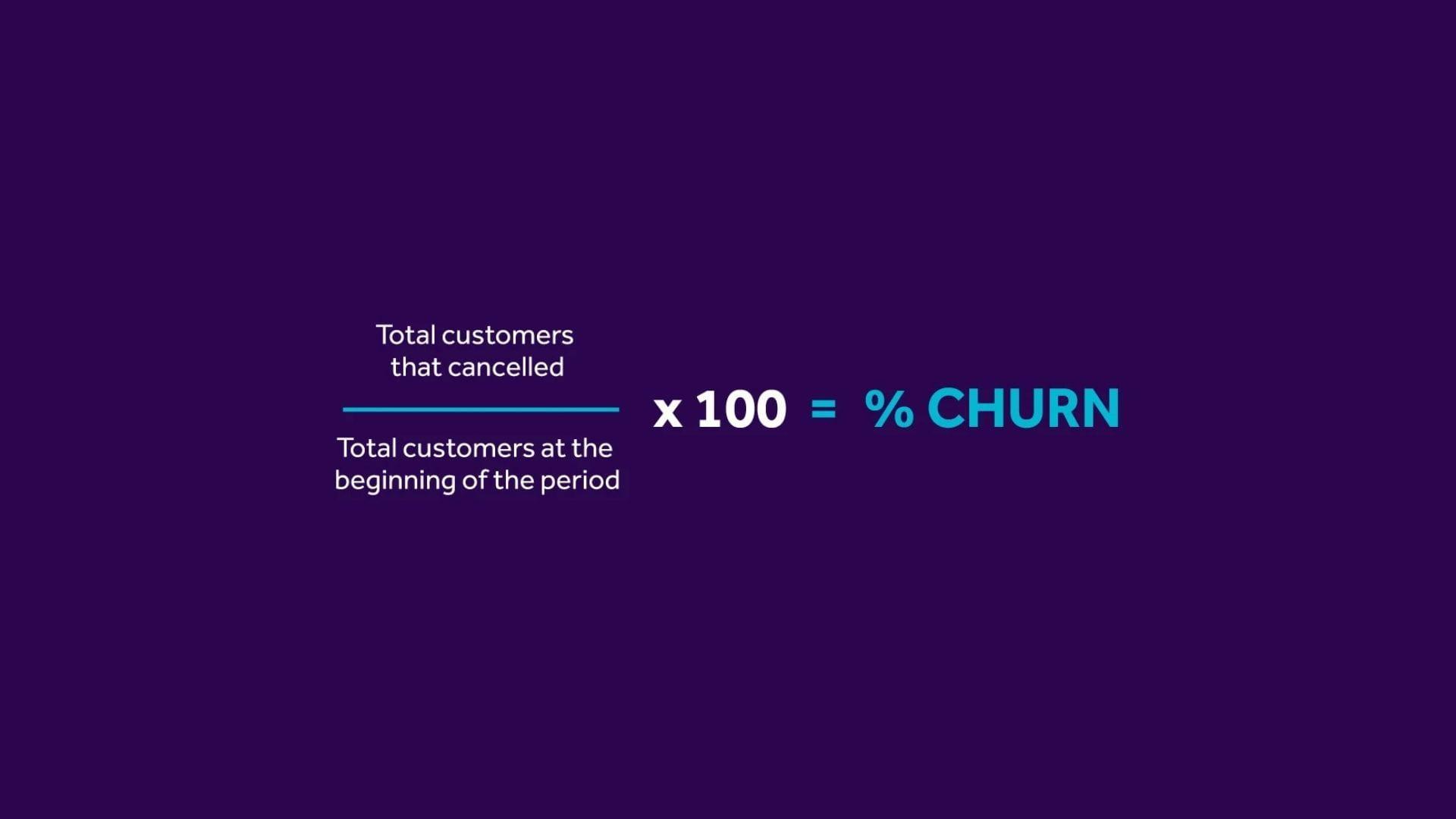
- Churn rate differential at competitive pressure points: when competitors run significant promotions or new entrants appear in the category, do loyalty programme members show meaningfully lower churn rates than non-members? This measures the protective function of the programme as a competitive barrier rather than its role in baseline retention.
- Unprompted programme awareness in category: if potential customers are asked to name loyalty programmes in your category, does yours come to mind without a prompt? Unaided brand recall for the programme is a proxy for how effectively its differentiation has been communicated and how distinctive its positioning is relative to competitors.
A programme that scores well across these metrics isn't just retaining customers; it's changing competitive dynamics in the brand's favour. That's the difference between a loyalty programme as a cost of doing business and a loyalty programme as a genuine strategic asset. Building the latter requires design clarity, operational investment, and honest measurement of whether the differentiation the programme claims is one that customers actually experience and value.