
Retail Data Analytics: How to Turn Loyalty Data Into Actionable Insights
In the modern retail environment, data is often described as the new currency. However, data in its raw form holds little inherent value. The true competitive advantage for a retailer lies in the ability to process, interpret, and act upon that information. Retail data analytics serves as the bridge between the vast quantities of information gathered through customer interactions and the strategic decisions that drive profitability. While many retailers possess comprehensive loyalty programmes, only a fraction successfully leverage the resulting data to its full potential. Turning loyalty data into actionable insights requires a sophisticated understanding of data architecture, analytical methodologies, and the specific metrics that correlate with business growth.
What is Retail Data Analytics?
Retail data analytics is the systematic process of using quantitative and qualitative data to identify patterns, trends, and correlations within the retail ecosystem. At its core, it involves the application of statistical models and computational algorithms to data generated across various touchpoints, including point of sale (POS) systems, e-commerce platforms, and customer loyalty programmes.
In a technical context, retail analytics is categorized into four distinct stages. Descriptive analytics explains what has happened in the past. Diagnostic analytics investigates why those events occurred. Predictive analytics uses historical data to forecast future outcomes. Finally, prescriptive analytics suggests specific actions to achieve a desired result. For loyalty programme operators, moving from descriptive to predictive and prescriptive analytics is the key to transforming a passive rewards scheme into an active engine for customer retention and revenue generation.
Types of Data Your Loyalty Programme Generates
A well structured loyalty programme acts as a primary source of zero party and first party data. Unlike third party data, which is increasingly restricted by privacy regulations and browser changes, loyalty data is collected directly from the source with the user’s consent.
- Identity and Demographic Data: This includes the foundational information provided during registration, such as name, age, gender, and geographical location. This data allows for high level segmentation.
- Transactional Data: This is the most granular level of data, encompassing purchase history, transaction frequency, average transaction value (ATV), and product preferences. It reveals exactly what a customer is buying and when.
- Engagement Data: This tracks how customers interact with the programme itself. Metrics include app open rates, points redemption history, participation in gamified challenges, and responses to push notifications or email campaigns.
- Behavioral Data: By integrating loyalty data with web and mobile tracking, retailers can see the customer journey before and after a purchase. This includes abandoned carts, product page views, and the path taken through a physical store if using beacon technology or mobile check ins.
- Attitudinal Data: Often gathered through surveys or feedback loops within the loyalty interface, this data provides insight into customer satisfaction and brand perception.
How to Analyse Loyalty Data Effectively
To extract value from these data types, retailers must implement a rigorous analytical framework. The process begins with data hygiene. Before analysis can occur, data must be cleaned, deduplicated, and normalized to ensure that a single customer is not represented by multiple profiles across different systems.
Once the data is consolidated, usually within a Customer Data Platform (CDP), retailers can apply advanced analytical techniques. One of the most effective methods is RFM analysis, which stands for Recency, Frequency, and Monetary value. By scoring customers on how recently they purchased, how often they shop, and how much they spend, retailers can segment their audience into distinct groups such as champions, at risk customers, or hibernating members.
Another critical approach is cohort analysis. This involves breaking customers into groups based on shared characteristics or the time they joined the programme. By comparing how different cohorts behave over time, retailers can determine if newer members are more or less valuable than those who joined years ago, or if specific marketing initiatives have successfully shifted the behavior of a particular group.
Key Metrics to Extract From Your Programme Data
The success of a loyalty programme should be measured by metrics that impact the bottom line. While "total members" is a common figure, it is often a vanity metric that does not reflect actual performance. Technical leaders should focus on the following key performance indicators:
- Customer Lifetime Value (CLV): This is the total revenue a retailer can expect from a single customer account throughout the duration of their relationship with the brand. Increasing CLV is the ultimate goal of any loyalty programme.
- Churn Rate: The percentage of members who stop interacting with the programme over a specific period. A rising churn rate is an early warning sign of diminishing programme relevance or increased competitor activity.
- Points Redemption Rate: The ratio of redeemed points to issued points. A very low redemption rate suggests that customers do not find the rewards valuable, while a very high rate might indicate that the rewards are too easy to obtain, potentially impacting margins.
- Incremental Revenue: This measures the additional revenue generated specifically because of the loyalty programme, compared to a control group of non members.
- Participation Rate: The percentage of total customers who are active members of the loyalty programme. This helps quantify the programme’s reach and influence on the overall customer base.
Using Loyalty Analytics to Improve Campaigns
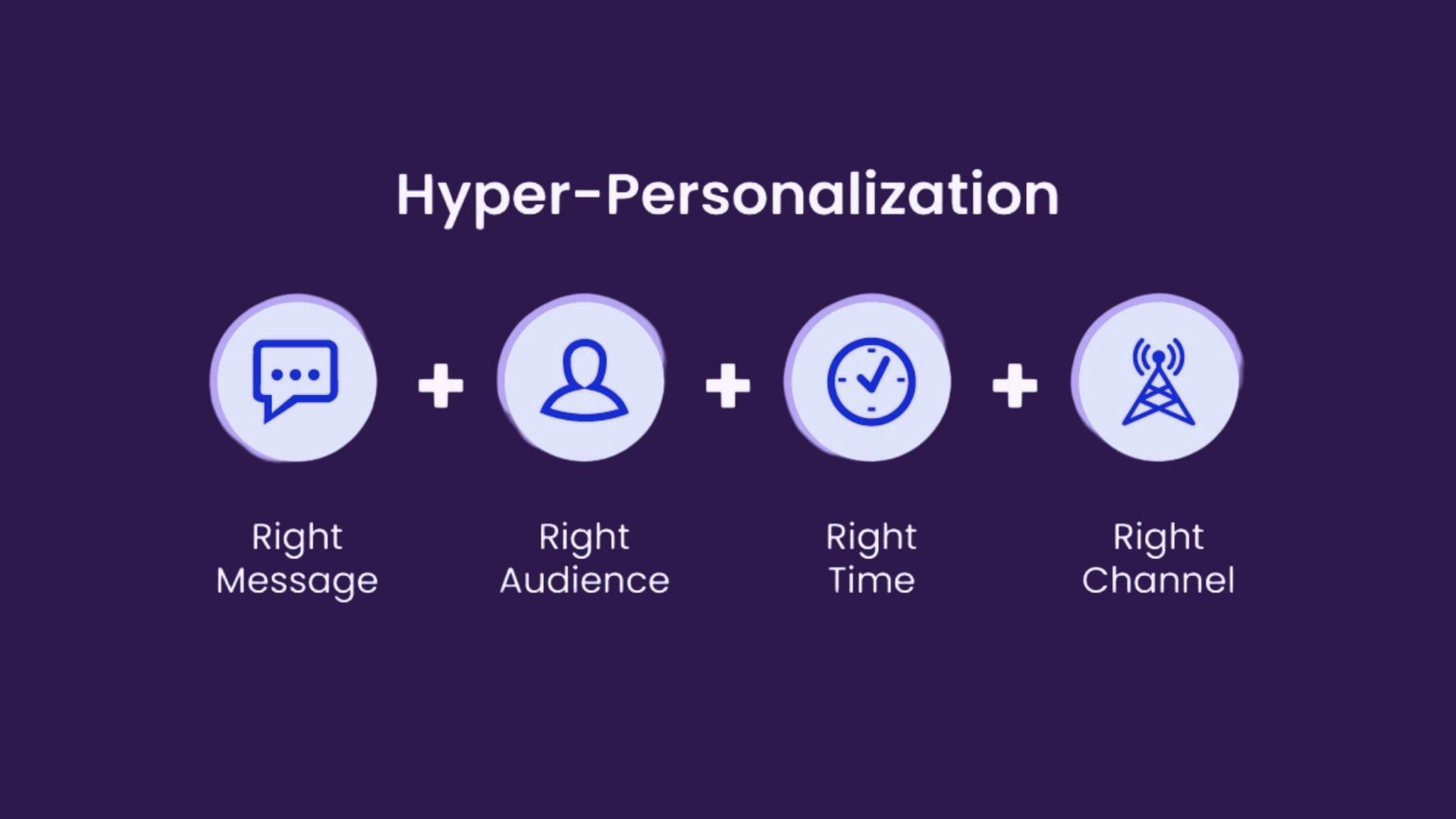
Actionable insights are only valuable if they are used to optimize marketing efforts. Analytics allows retailers to move away from "blast" marketing toward hyper targeted campaigns. For instance, if data shows that a segment of customers consistently buys organic produce but has never purchased organic dairy, the retailer can trigger a personalized offer specifically for organic milk or yogurt.
Furthermore, loyalty analytics enables the optimization of promotional timing. By analyzing purchase cycles, a retailer can predict when a customer is likely to run out of a specific product and send a reminder or incentive at exactly the right moment. This level of precision reduces marketing waste and improves the customer experience by providing value that feels intuitive rather than intrusive.
Analytics also plays a role in A/B testing. Retailers can use their loyalty data to run controlled experiments on different reward structures or communication channels. By analyzing the results in real time, they can quickly scale the most effective strategies and discontinue those that do not yield the desired return.
Data Analytics Tools for Retail
Implementing a high level data strategy requires a robust technology stack. The tools used generally fall into three categories:
- Data Collection and Storage: Cloud based data warehouses such as Google BigQuery, Snowflake, or Amazon Redshift allow retailers to store and process massive datasets with high velocity.
- Customer Data Platforms (CDP): Tools like Salesforce Data Cloud act as the central nervous system, aggregating data from disparate sources to create a 360 degree view of the customer.
- Business Intelligence (BI) and Visualization: Platforms such as Tableau, Power BI, or Looker allow stakeholders to visualize complex data through dashboards, making it easier to identify trends and communicate insights across the organization.
- Machine Learning (ML) Engines: For predictive analytics, retailers often utilize ML frameworks such as TensorFlow or automated solutions that integrate directly into their CRM to provide real time propensity scoring and recommendations.
Privacy & GDPR Considerations for Retail Data
As data collection becomes more sophisticated, the responsibility to protect that data grows. In many jurisdictions, particularly under the General Data Protection Regulation (GDPR) in the European Union, retailers must adhere to strict principles regarding data processing.
First and foremost is the principle of "purpose limitation." Retailers must clearly state why they are collecting loyalty data and ensure it is not used for unrelated purposes without further consent. "Data minimization" is also vital; retailers should only collect the information necessary for the programme to function.
Transparency is a legal requirement. Customers must have easy access to their data and the right to be forgotten, meaning their data must be completely purged upon request. From a technical standpoint, this requires retailers to have clear data mapping and robust deletion protocols across all integrated systems. Failure to comply can result in significant financial penalties and irreparable damage to brand trust. Security measures, including encryption at rest and in transit, multi factor authentication, and regular vulnerability assessments, are non negotiable components of a modern retail data architecture.
The transition from simply hosting a loyalty programme to becoming a data driven retail organization is a complex but necessary journey. By focusing on the right data types, utilizing advanced analytical models, and respecting the privacy of the consumer, retailers can turn raw loyalty data into a powerful engine for sustainable growth.